This is the question behind most emergency cooking deaths in Britain, and the answer people want is not the one the evidence supports. Ventilation is not a solution, it is a partial mitigation for a problem that should not be created.
What is actually safe indoors?
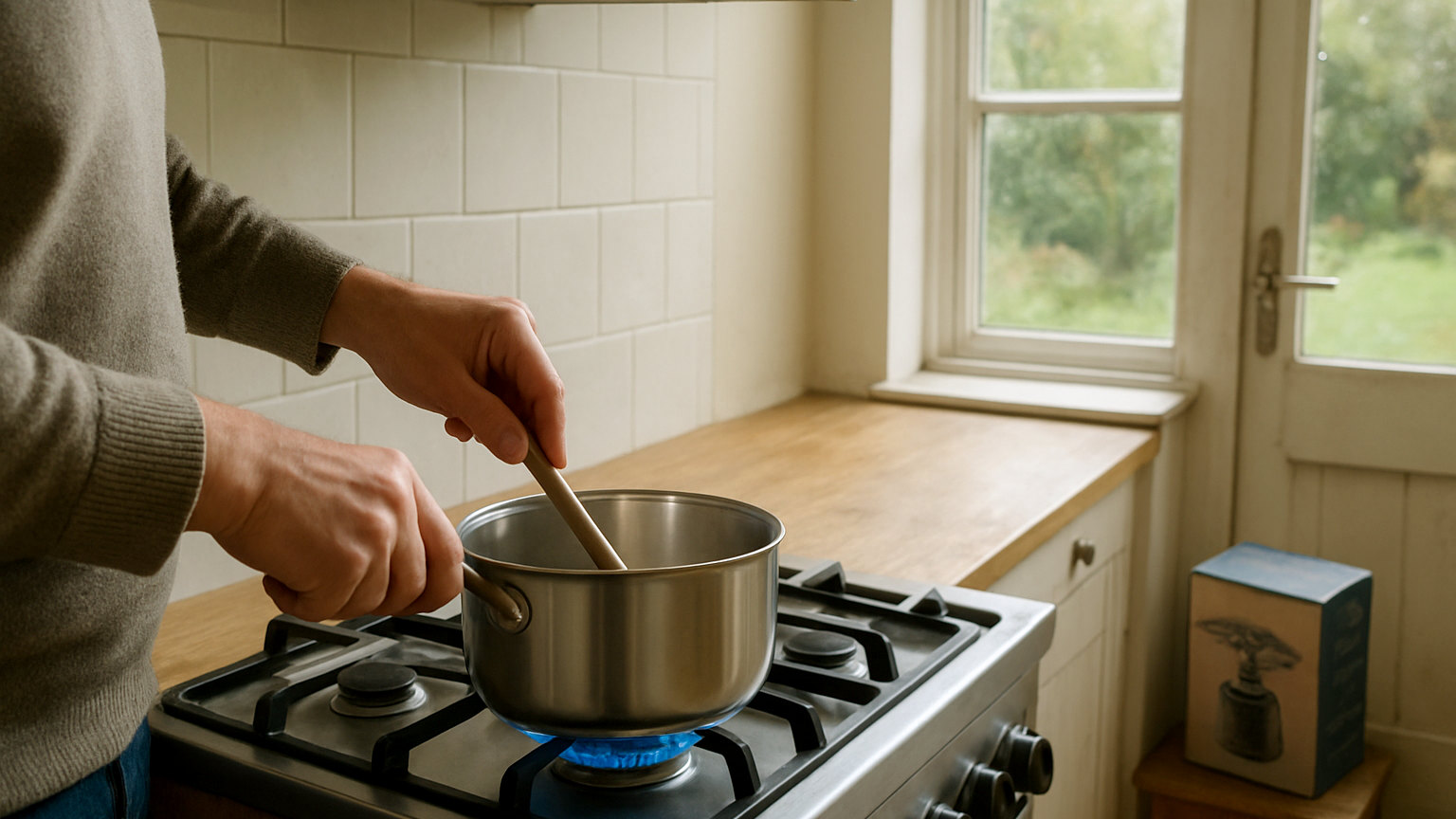
Appliances designed and installed for indoor use. A domestic gas hob is engineered for a kitchen, with the room ventilation, appliance design and installation standards that go with it. An electric appliance produces no combustion products at all. Anything else, meaning camping stoves, barbecues, patio heaters and generators, is designed on the assumption of unlimited outdoor air.
Why is ventilation not enough?
Because the airflow required is far greater than an open window provides, and because people close windows when they are cold. Carbon monoxide is produced continuously by incomplete combustion, and in a room with limited air the combustion becomes less complete, which produces more of it. The situation deteriorates rather than stabilising, and it does so without any warning sign.
- Never use a barbecue indoors, including in a porch or garage
- Never use a generator or patio heater indoors
- Camping stoves belong outdoors or in genuine open airflow
- An open window is not adequate ventilation
- Charcoal produces carbon monoxide long after it looks cold
- Fit audible alarms to BS EN 50291 and test them
Why does carbon monoxide kill so reliably?
Because you cannot detect it and it removes your ability to react. It is colourless and odourless, it binds to haemoglobin far more readily than oxygen so the blood stops carrying oxygen, and the early symptoms are headache, nausea and drowsiness. The affected person becomes confused and sleepy rather than alarmed, and frequently falls asleep. Several people in a house can be affected simultaneously.
Why do barbecues catch people out?
Because they continue producing carbon monoxide long after the flames have gone and while the coals look grey and dead. People bring them into tents, caravans, porches, garages and kitchens for warmth or to finish cooking, and the deaths that result are among the most consistently reported every year. A used barbecue must never come under any cover, however cold it appears.
What about a gas hob during a power cut?
Fine, if it lights. It is an indoor appliance being used as designed, and normal kitchen ventilation applies. Do not use it to heat the room, which is a separate and genuinely dangerous practice, since running burners for hours without a pan on them consumes oxygen and produces combustion products well beyond what cooking does.
Is there any acceptable indoor use of a camping stove?
Only with genuine open airflow, such as in a doorway with the door wide open, an open sided shelter or a well ventilated outbuilding, and never unattended. Even then, outdoors is better and there is rarely a reason not to be. Cooking outside in poor weather under a gazebo is inconvenient and it is the correct answer.
What should you do if the alarm sounds?
Get everyone outside immediately, including pets, and do not stop to investigate or open windows first. Turn the appliance off on the way out if you can do so safely. Call 999 if anyone is unwell, or the National Gas Emergency line on 0800 111 999. Tell medical staff you suspect carbon monoxide, since it changes the treatment and requires specific testing.
What are the symptoms?
Headache first, then dizziness, nausea, breathlessness, tiredness and confusion. A strong indicator is that symptoms improve away from the building and return on going back in, or that several people and pets feel unwell at the same time. Pets frequently show effects before adults do, being smaller.
What about using the hob to heat a room?
Never do it, and it is a common practice during cold snaps. Running gas rings without a pan for hours consumes oxygen and produces combustion products far beyond what cooking does, in a room where people are likely to have closed everything against the cold. It also presents a serious fire risk with unattended naked flames. Heat people with layers, blankets and hot water bottles instead, and keep the hob for cooking.
Cook outdoors, use indoor appliances indoors and nothing else, never bring a barbecue under cover, and fit alarms to BS EN 50291.