Floodwater looks like dirty water and is a mixture of everything the flood has passed through. Treating it as contaminated rather than merely muddy is the difference between an unpleasant clean up and an illness.
What is actually in it?
Sewage, from overwhelmed drains and treatment works. Agricultural slurry, fertiliser and pesticides washed off fields. Fuel oil from domestic heating tanks. Chemicals, paint and cleaning products from garages and sheds. Dead animals. Rodent urine. Debris, glass and sharp objects. The proportions vary by area and none of it is visible in the water.
What illnesses can it cause?
Gastrointestinal infections from sewage contamination, including the usual bacterial and viral causes of diarrhoea and vomiting. Leptospirosis, sometimes called Weil disease, spread through rodent urine and entering through cuts, grazes or the membranes of the eyes, nose and mouth. Skin infections in wounds. Tetanus, where vaccination is not up to date. Respiratory irritation from mould during the drying period.
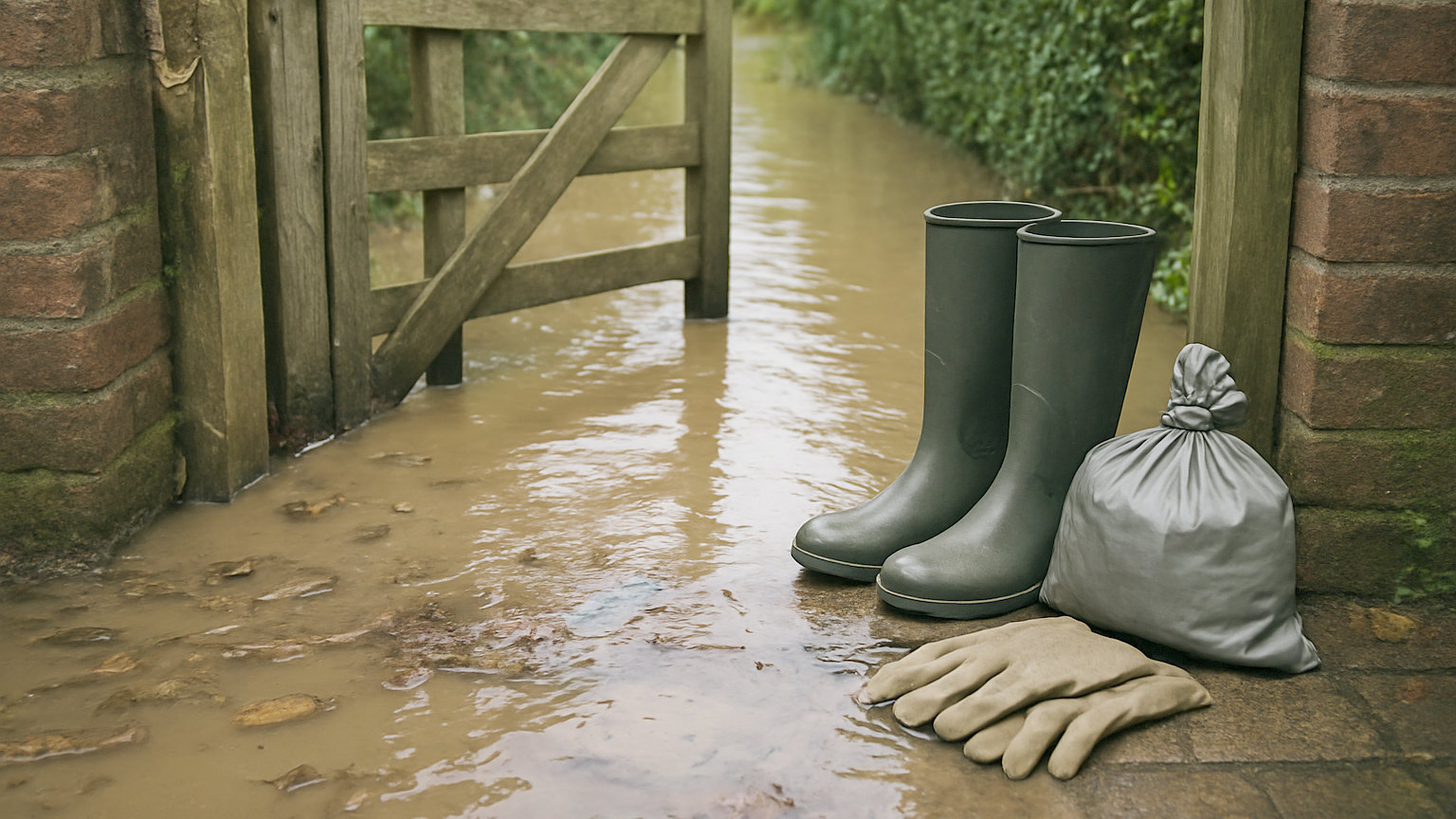
- Wear waterproof gloves, boots and eye protection when cleaning
- Cover any cuts and grazes with waterproof dressings
- Wash hands thoroughly before eating, drinking or smoking
- Keep children and pets away from affected areas
- Discard any food, medicine or cosmetics touched by floodwater
- Check your tetanus vaccination is current
What protective equipment do you need?
Waterproof gloves, ideally with a long cuff, rubber boots, and eye protection when using pressure washers or handling anything that splashes. A mask is worth wearing during cleaning and particularly once mould begins to develop. Overalls or old clothing that can be washed at high temperature or discarded. None of this is expensive and all of it should be worn throughout.
What about the contamination left behind?
Everything the water touched carries it, including surfaces, carpets, furniture, soft furnishings and the inside of cupboards. Silt deposited on floors is contaminated. Anything porous that absorbed floodwater generally cannot be adequately cleaned and should be discarded, which includes mattresses, upholstered furniture, carpets and most soft toys.
What should be thrown away?
Food of any kind that came into contact, regardless of packaging, since tins can be contaminated around the seams and packaging is not a reliable barrier. Medicines and cosmetics. Baby feeding equipment. Anything porous that absorbed water. Wooden chopping boards and utensils. When in doubt with anything that goes near food or a mouth, discard it.
How do you clean safely?
Remove silt and debris first, then wash surfaces with hot water and detergent, then disinfect. Work from the top down. Ventilate throughout, which helps both with drying and with fumes. Do not use a pressure washer indoors, which aerosolises contamination. Take regular breaks, since the work is exhausting and people rush and injure themselves.
When should you seek medical advice?
If you develop flu like symptoms, fever, muscle aches, headache or jaundice in the days or weeks after contact, which may indicate leptospirosis and warrants prompt treatment. Also for any wound that becomes red, hot or swollen, for persistent diarrhoea, and for breathing difficulty during clean up. Tell the clinician you have been exposed to floodwater, since it changes what they consider.
What about children and pets?
Keep them out entirely. Children are drawn to floodwater and are at far greater risk from both drowning and contamination, and they are less careful about hand washing. Pets should be kept away from affected areas and washed if they have been in the water, and their paws checked for cuts. Do not let animals drink floodwater.
How long does the risk last?
Well beyond the water going down. Contaminated silt remains on surfaces and in cavities, and mould develops over the following weeks as the property dries, which brings its own respiratory risks. Treat the property as contaminated throughout the clean up rather than only while water is present, keep protective equipment on for the duration, and ventilate continuously.
Treat it as contaminated throughout, wear gloves and boots, cover cuts, discard anything porous or edible it touched, and wash hands constantly.