Wildfire evacuation differs from flood evacuation in one important respect: the window can close very quickly and the escape route itself becomes dangerous. Leaving early is not merely preferable, it is the plan.
When should you go?
On the first credible indication that a fire is approaching, or immediately when told to by the emergency services. That means when you can see or smell a fire nearby, when police or fire crews advise leaving, or when an official warning is issued for your area. Waiting to see how it develops removes exactly the margin the decision needs.
Why is late evacuation so dangerous?
Because roads fill with smoke and become impassable, fires cross routes and cut them, and visibility drops to nothing. Driving through smoke at low visibility with other vehicles doing the same is genuinely lethal, and it is where a substantial share of wildfire fatalities occur internationally. The road that was clear twenty minutes ago may not be.
- Leave on the first credible warning rather than waiting
- Do not stay to defend a property
- Know two routes out, since one may be cut
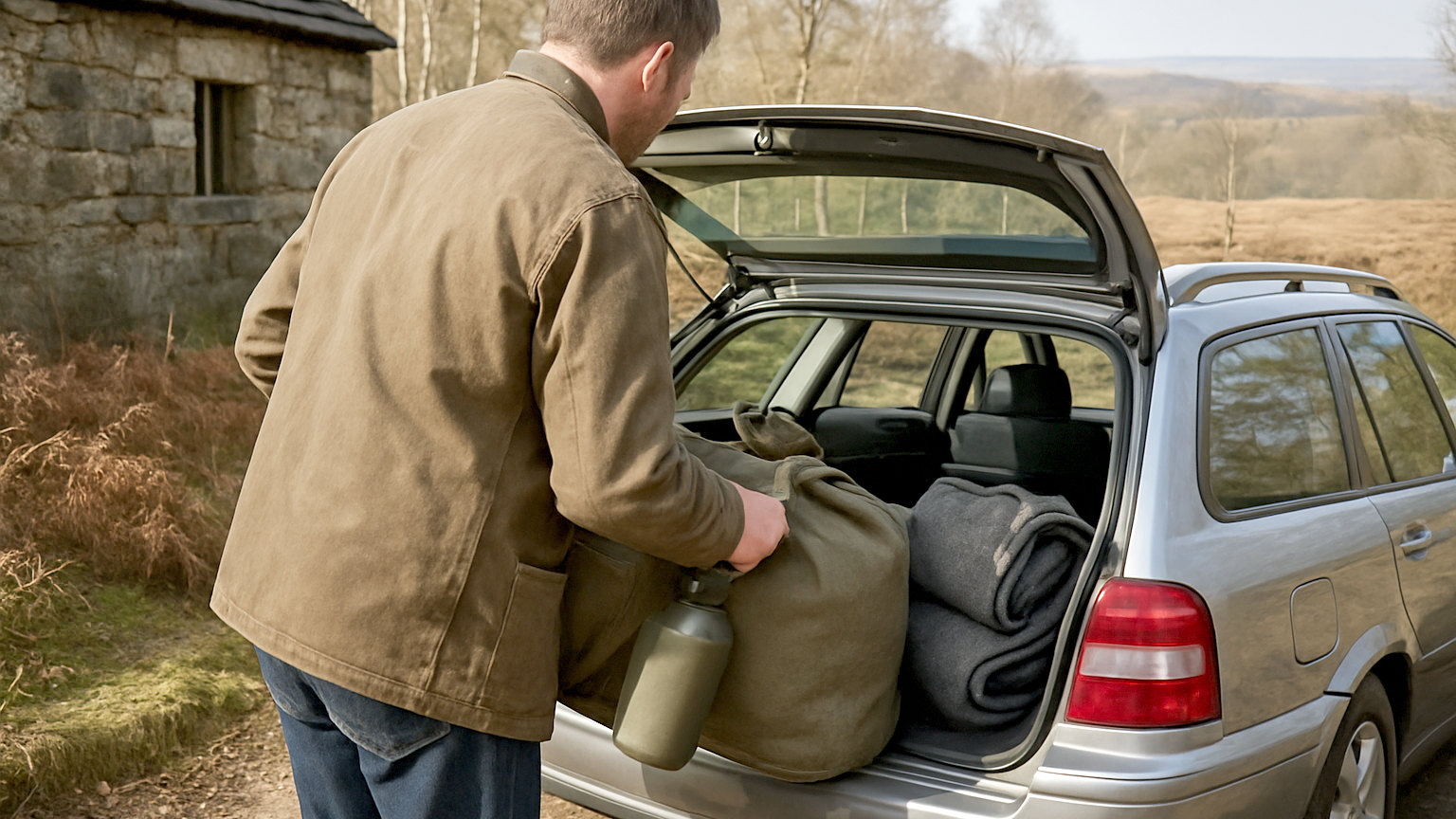
- Take medication, documents, phone, cash and animals
- Close windows and doors and move fuel away as you go
- Tell someone where you are going
Should you stay and defend?
No. Stay and defend is a doctrine developed in Australia for households with training, equipment, water supplies and a prepared property, and even there it is heavily qualified and has cost lives. Britain has no such framework, householders have no equipment, and fire services advise leaving. Attempting to defend a house with a garden hose against a moorland fire is extremely dangerous.
What should you take?
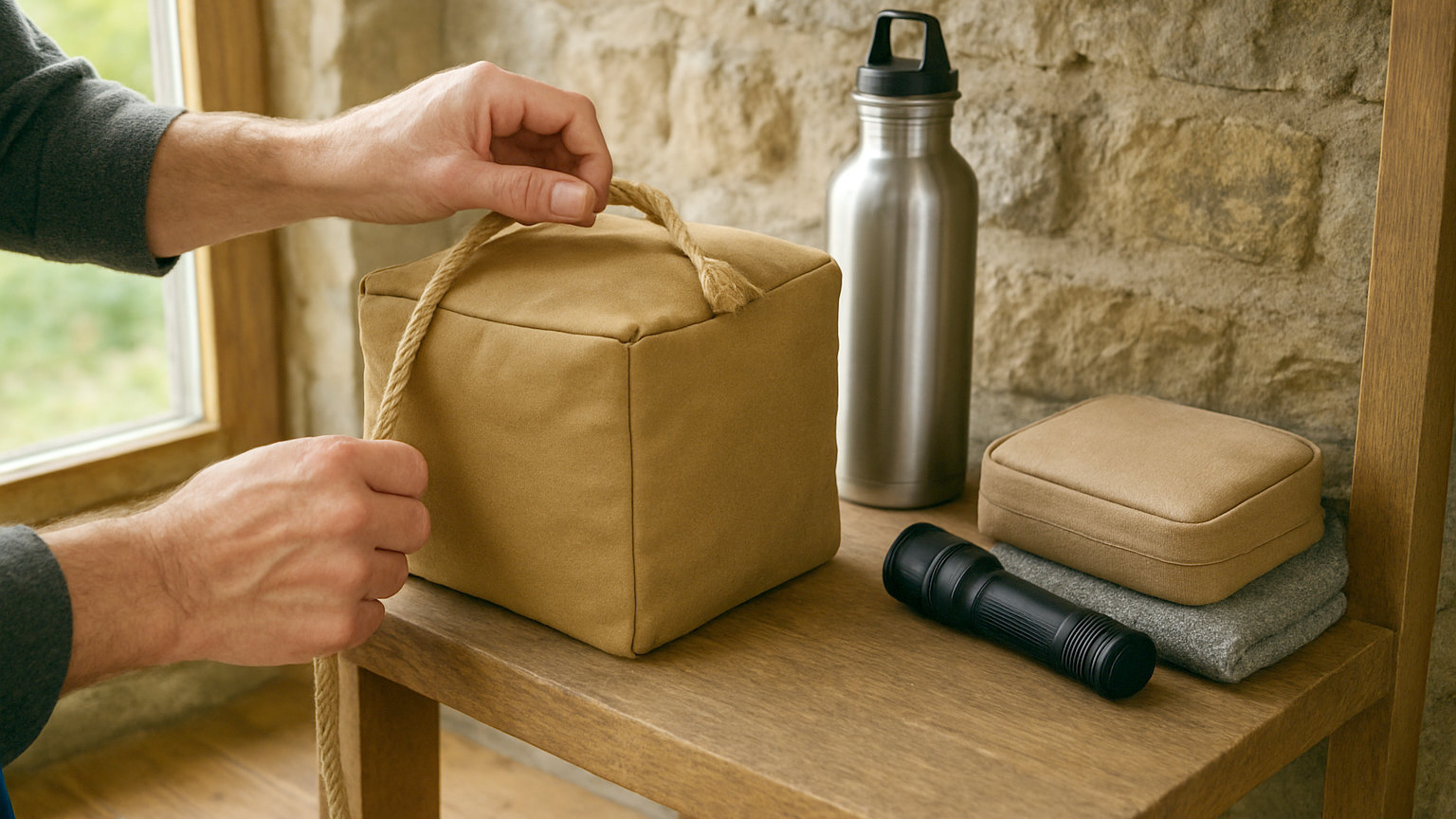
The same as any evacuation: people and animals first, then medication, documents, phone and charger, cash, and the grab bag. Wear long sleeves, long trousers and closed shoes in natural fibres rather than synthetics, which melt. Take a torch. Do not spend time on possessions, since the timescale is shorter than in a flood.
What should you do to the house as you leave?
Close windows, doors and vents to keep embers out, and move combustible material away from the walls if there is genuinely time. Leave gates open so fire crews and animals can move. Leave a note or tell the authorities that the property is empty. Do not leave sprinklers running, which wastes the water pressure crews may need.
Which way should you drive?
Away from the fire and across the wind rather than parallel to the spread. Know two routes out of your area in advance, since one may be blocked or cut. Drive with headlights on and windows closed, set ventilation to recirculate, and turn back rather than pressing through thick smoke. If you cannot get out, that changes the decision entirely.
What if you cannot leave?
Shelter in the most substantial building available, away from windows, on the side furthest from the fire, with doors and windows closed and vents blocked. Fill baths and sinks with water. Call 999 and tell them exactly where you are. This is a last resort resulting from having left too late, which is why the timing of the decision matters so much.
How do you know a warning applies to you?
Through the emergency services, local radio, local authority communications and, for a serious incident, the UK Emergency Alerts system, which sends a siren and message directly to phones in a defined area. Follow official sources rather than social media, and act on the instruction rather than assessing it against what you can see.
What about people who need help to leave?
They should go earlier, and that must be planned rather than improvised. Anyone with limited mobility, anyone dependent on powered equipment, and anyone who would need transport should treat the first warning as their trigger rather than waiting for a formal instruction. Tell the emergency services in advance that the household includes someone who cannot self evacuate, and arrange transport with a neighbour or relative beforehand.
Leave on the first warning, never stay to defend, know two routes out, close the house as you go, and treat smoke on the road as a reason to turn back.