Animals cannot assess a fire and cannot leave the ground they are on. For livestock keepers the protection is entirely about moving them early, and for wildlife the timing of British fires makes the impact particularly severe.
Why is the spring peak so damaging?
Because it coincides with the breeding season. Ground nesting birds including curlew, lapwing, skylark, meadow pipit and grouse are on eggs or with young during the February to April fire peak, and they cannot escape. Reptiles emerging from hibernation, amphibians and invertebrates are similarly vulnerable. A spring moorland fire can destroy an entire breeding season across a large area.
What happens to livestock?
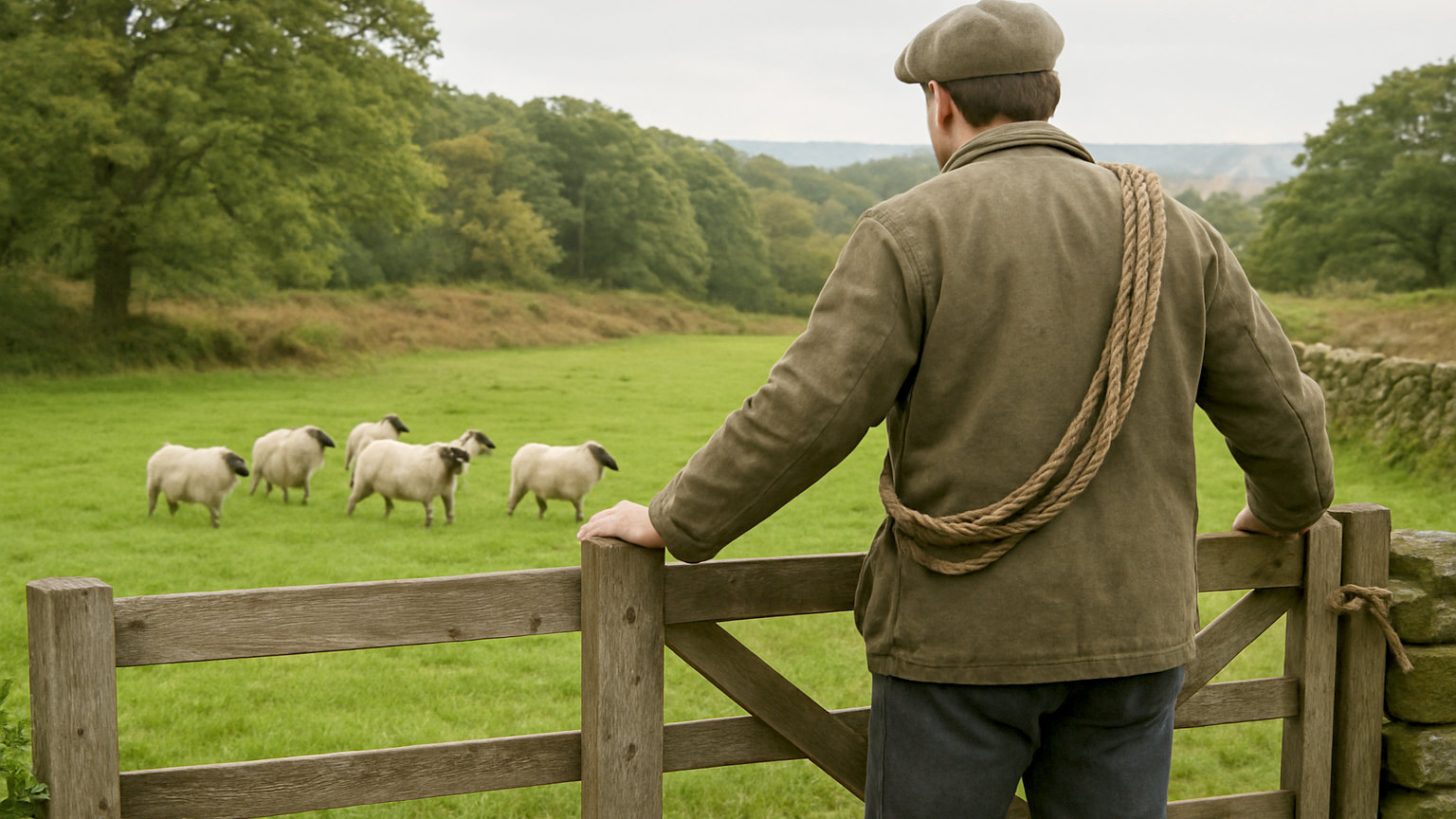
They are at risk from burns, smoke inhalation and from panicking into fences, walls or unsafe ground. Sheep on open moorland are particularly exposed since they range widely and may be difficult to gather quickly. Losses in large upland fires have been significant, and the practical protection is moving stock before the fire rather than during it.
- Move stock off at risk ground early, not during an incident
- Open gates so animals can move themselves if you cannot
- Identify safe fields with water, bare ground or hard standing
- Ground nesting birds cannot escape a spring fire
- Smoke affects animals as it affects people
- Report livestock at risk when you call 999
What should a livestock plan include?
Where animals would go, how they would get there, and who could help. Identify fields with good access, water and limited surrounding fuel, ideally with bare or grazed ground rather than deep vegetation. Know which neighbours have trailers. Keep gates and tracks passable. Moving stock takes time and the window during a fast moving fire is very short.
What if you cannot move them?
Open the gates. An animal that can move itself has a far better chance than one confined in a field with fire approaching, and stock will generally move away from smoke and flame if given the opportunity. Fire crews frequently open gates for this reason. Tell the emergency services that livestock are present and where.
What about smoke?
It affects animals much as it affects people, causing respiratory irritation and distress, and horses in particular are susceptible. Move animals upwind where possible, provide clean water and shelter, and watch for coughing, nasal discharge and laboured breathing in the following days. Contact a vet for anything that does not settle.
What happens to grazing afterwards?
It is lost for a period and recovery varies. Burnt grassland may regrow within a season, while heather moorland takes years, which has real consequences for hill farming. Burnt ground is also hazardous to stock because of hidden voids and hot spots in peat, so it must be kept stock free until declared safe rather than simply until it looks recovered.
Is there any ecological benefit?
Managed burning under controlled conditions is a legitimate and regulated moorland practice with specific purposes, and it is a different matter from wildfire. Uncontrolled fire burning hot into peat and root systems is destructive rather than regenerative, damaging the seed bank and the underlying peat in a way controlled cool burns are designed to avoid.
What can the public do?
Keep dogs on leads on moorland during the breeding season, observe access restrictions during high fire severity, and avoid disturbing recovering ground afterwards. Report fires immediately with a precise location, since the difference between a small fire and a large one is frequently how quickly it was reported.
What support exists for affected farms?
More than is always taken up. Local authorities, the rural payments agencies and farming charities can advise after a significant fire, and organisations such as the Royal Agricultural Benevolent Institution and the Farming Community Network provide practical and emotional support. Insurance may cover stock losses and fencing. Ask early rather than assuming nothing applies, since deadlines attach to some schemes.
Move stock early rather than during a fire, open gates if you cannot, tell 999 that animals are present, and keep dogs on leads through the breeding season.