Pandemic preparedness at household level is narrower and more mundane than the word suggests. It is the ability to look after people who are unwell, reduce transmission within a home, and cope with a period of disruption.
What does it actually involve?
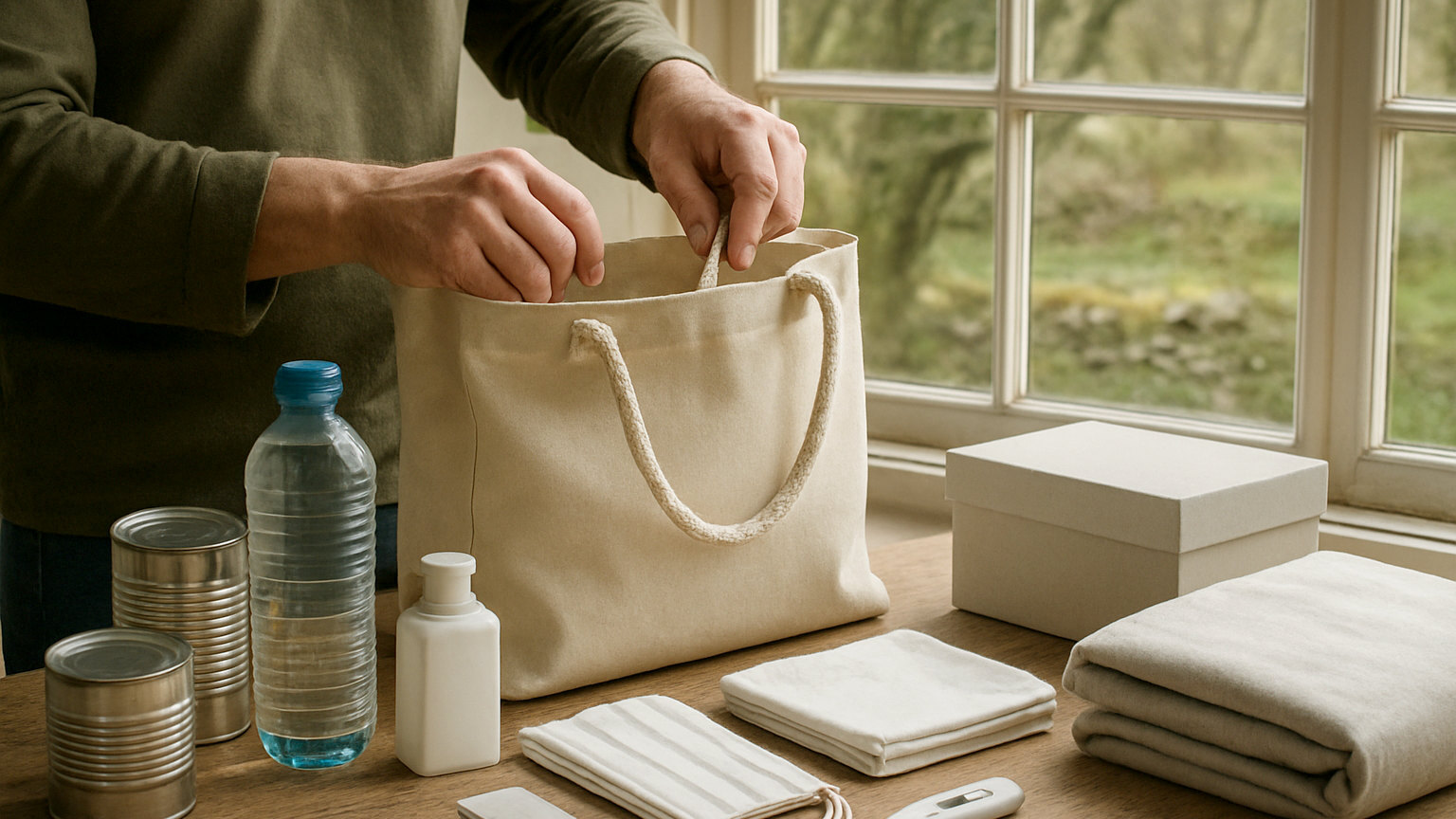
Four things. Supplies for illness, meaning medication, fluids, thermometers and the ordinary things you want when someone is unwell. The ability to isolate someone reasonably within the home. Enough food, medicine and essentials to manage a few weeks without frequent shopping. And arrangements for work, school, childcare and looking after anyone who depends on you.
How much of it is new?
Very little. A household with a written plan, a well stocked cupboard, a first aid kit, spare medication and an agreed way of contacting each other is already prepared for most of it. The additions are specific to illness rather than being a separate discipline, which is why this sits alongside flooding and power cuts rather than apart from them.
- Supplies for looking after someone ill at home
- A workable way to isolate within the household
- Food, medication and essentials for a few weeks
- Arrangements for work, school and dependants
- Knowing when to seek medical help and how
- Support for anyone in the household at higher risk
What is different from other emergencies?
The duration and the fact that it affects everyone at once. Floods and storms are intense and local, and a neighbour or relative can help. A widespread outbreak lasts months, affects the people who would normally help, and disrupts services rather than infrastructure. That changes the emphasis from equipment toward supplies, routine and looking after people.
What is not household preparedness?
Anything requiring clinical judgement or public health decision making. Diagnosing illness, deciding on treatment, assessing risk to the population, and questions of policy all sit with health professionals and public health bodies. A household plan should make it easier to follow whatever advice is current rather than substituting for it.
Where does the advice come from?
The NHS, the UK Health Security Agency and your GP or pharmacist, which are the sources to follow during any outbreak. Guidance changes as understanding improves, sometimes quickly, and that is how it should work. Anyone planning at household level should build the capability to follow advice rather than fixing on a specific set of instructions.
How far ahead should you plan?
A few weeks of essentials rather than months. Supply chains generally continue functioning during outbreaks, and shortages when they occur are usually distribution problems caused by sudden demand rather than genuine scarcity. A household with two or three weeks of food, medication and essentials avoids needing to shop at the worst moment without contributing to shortages.
Who should think about it more carefully?
Households including someone at higher risk from infection, meaning older people, anyone immunosuppressed, anyone with significant heart or lung disease, and pregnant women. Also households where one person is the sole carer for someone else, since the plan must cover that person becoming ill. Those situations warrant a specific written arrangement.
What is the single most useful thing?
Knowing who would help if the household could not manage. A relative, a neighbour or a friend who could collect a prescription, bring shopping to the door or care for a child. Almost every difficulty during a household outbreak is easier with one named person outside the home, and arranging that costs a conversation.
Does preparing help if everyone is affected?
Yes, and in a way that differs from other emergencies. A household that does not need to shop while ill, that has medication in hand and that can look after itself for a fortnight reduces pressure on services and on the people who would otherwise help. Preparedness during a widespread event is partly about not becoming an additional demand at a moment when demand is the constraint.
What is worth writing down?
Who does what if someone is ill, where the medication and thermometer are, the contact details for the GP and pharmacy, and the name of the person outside the household who would help. One page on the fridge, updated occasionally. It sounds excessive until someone is unwell at three in the morning and nobody can remember the surgery number.
Stock for illness, be able to isolate, hold a few weeks of essentials, follow NHS advice, and name someone outside the household who would help.