Disruption during an outbreak looks different from disruption during a storm. It is patchy, prolonged and affects services rather than infrastructure, which changes how you deal with it.
What actually gets disrupted?
Specific items rather than everything, and services rather than utilities. Particular products become scarce while alternatives remain available. Delivery slots fill. Staff absence affects shops, pharmacies, buses and services. Electricity, water and heating generally continue working normally, which distinguishes it from most other emergencies.
What is the main skill?
Substitution. If one flour is unavailable another usually is, and a household willing to cook differently for a few weeks is far better placed than one insisting on specific brands and products. This is genuinely easier for households used to cooking from basic ingredients, and it is worth building a few flexible recipes into the repertoire.
- Substitute rather than searching for a specific product
- Try smaller local shops, which often hold stock
- Register for delivery accounts before you need them
- Ask the pharmacy about alternatives if medication is short
- Check eligibility for priority delivery schemes
- Accept help from neighbours and offer it in return
What about medication shortages?
Speak to the pharmacist rather than the internet. Pharmacists deal with supply problems routinely, can often source stock elsewhere, and can advise on whether an alternative preparation or strength is suitable. Some substitutions require the GP to change the prescription. Never ration your own medication or stop taking something without advice.
How do you get deliveries?
Register in advance and check for priority schemes. Supermarket delivery accounts take a few minutes to set up and are far harder to arrange when demand surges. Priority slots have been made available during outbreaks for people who are clinically vulnerable, older or disabled, usually requiring registration through the retailer or a government scheme. Ask rather than assuming you do not qualify.
What about local shops?
They are frequently the answer and are routinely overlooked. Independent grocers, butchers, bakers, farm shops and corner shops often had stock during recent shortages because they use different supply chains and have less concentrated demand. Many took on delivery during outbreaks. Knowing what exists locally is worth an afternoon before anything happens.
Should you ask for help?
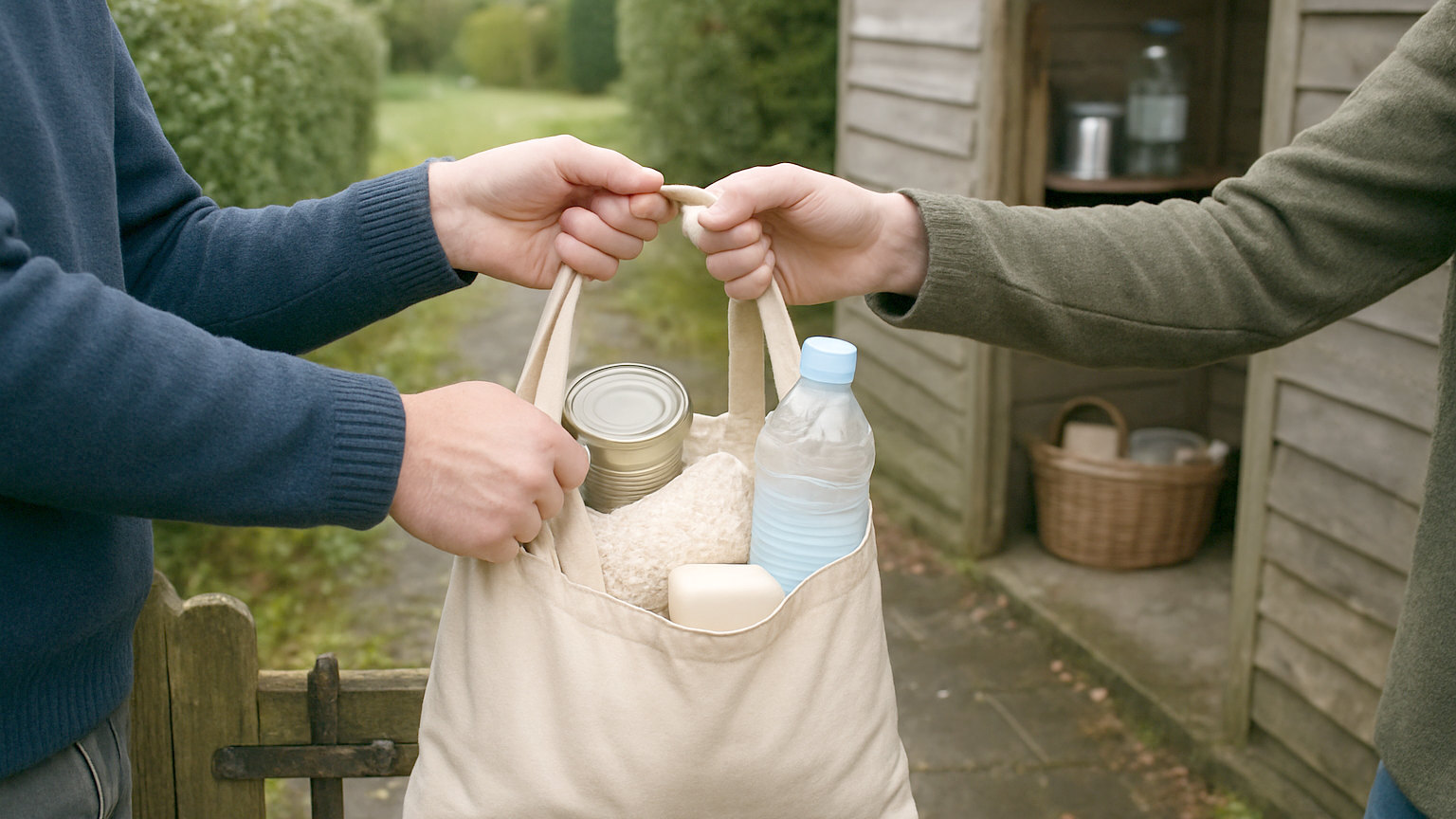
Yes, and households consistently do not. Neighbours, family, community groups, mutual aid networks and local authorities all provided practical support during recent years, and much of it went unused because people felt they should manage. Collecting a prescription or dropping shopping at a door costs the helper very little and matters a great deal.
What about money?
It is frequently the real constraint. Illness means lost income for many people, and outbreaks affect insecure work most. Check entitlement to statutory sick pay and benefits early, contact lenders and utility providers if you are struggling since forbearance is usually available, and seek advice from Citizens Advice rather than waiting until arrears build up.
What is the general principle?
Flexibility rather than depth. A household able to substitute, cook from basics, use different shops and ask for help copes better than one with a deeper store and rigid habits. Both is best, and if you can only have one, flexibility handles more situations.
What about fuel and travel?
Expect patchy disruption rather than absence. Public transport reductions from staff absence, cancelled services and altered timetables were common during recent outbreaks, and fuel supply itself was largely unaffected except where demand surged. Keeping the tank above half, checking services before travelling and allowing extra time covers most of it without any special preparation.
How long does disruption last?
Weeks rather than months for any specific shortage. Supply chains adapt quickly once demand stabilises, and the products that vanished during recent shortages returned within a few weeks in almost every case. That is worth knowing because it argues against both panic and against building enormous stores: a fortnight of flexibility covers the realistic gap.
Substitute rather than hunting, use local shops, register for deliveries in advance, ask the pharmacist about medication, and accept help.