The radiation hazard that actually affects British households has nothing to do with nuclear sites. Radon is the largest source of radiation exposure in the country and it is almost entirely unaddressed.
What is radon?
A naturally occurring radioactive gas produced by the decay of uranium in rocks and soil. It is colourless and odourless, seeps into buildings through floors, gaps and services, and accumulates indoors where ventilation is limited. Outdoors it disperses harmlessly. It is the largest single contributor to average radiation exposure in Britain.
Why does it matter?
Because it causes lung cancer. Radon decay products lodge in the lung and deliver a dose to the tissue, and it is recognised as the second leading cause of lung cancer after smoking, associated with over a thousand deaths a year in the United Kingdom. Risk is substantially higher in smokers, where the two effects combine.
- Radon is the largest source of radiation exposure in Britain
- It causes over a thousand lung cancer deaths a year
- Risk is far higher for smokers
- Levels vary enormously between areas and between houses
- Testing costs very little and takes three months
- Remediation is usually straightforward and effective
Where is it worst?
Areas underlain by particular geology, notably parts of the South West including Devon and Cornwall, parts of Northamptonshire, Derbyshire, the Pennines, parts of Wales and parts of Scotland. The UK Health Security Agency publishes radon maps by postcode showing the probability of homes exceeding the action level. Levels vary enormously between neighbouring houses, so the map indicates likelihood rather than your own result.
How do you test?
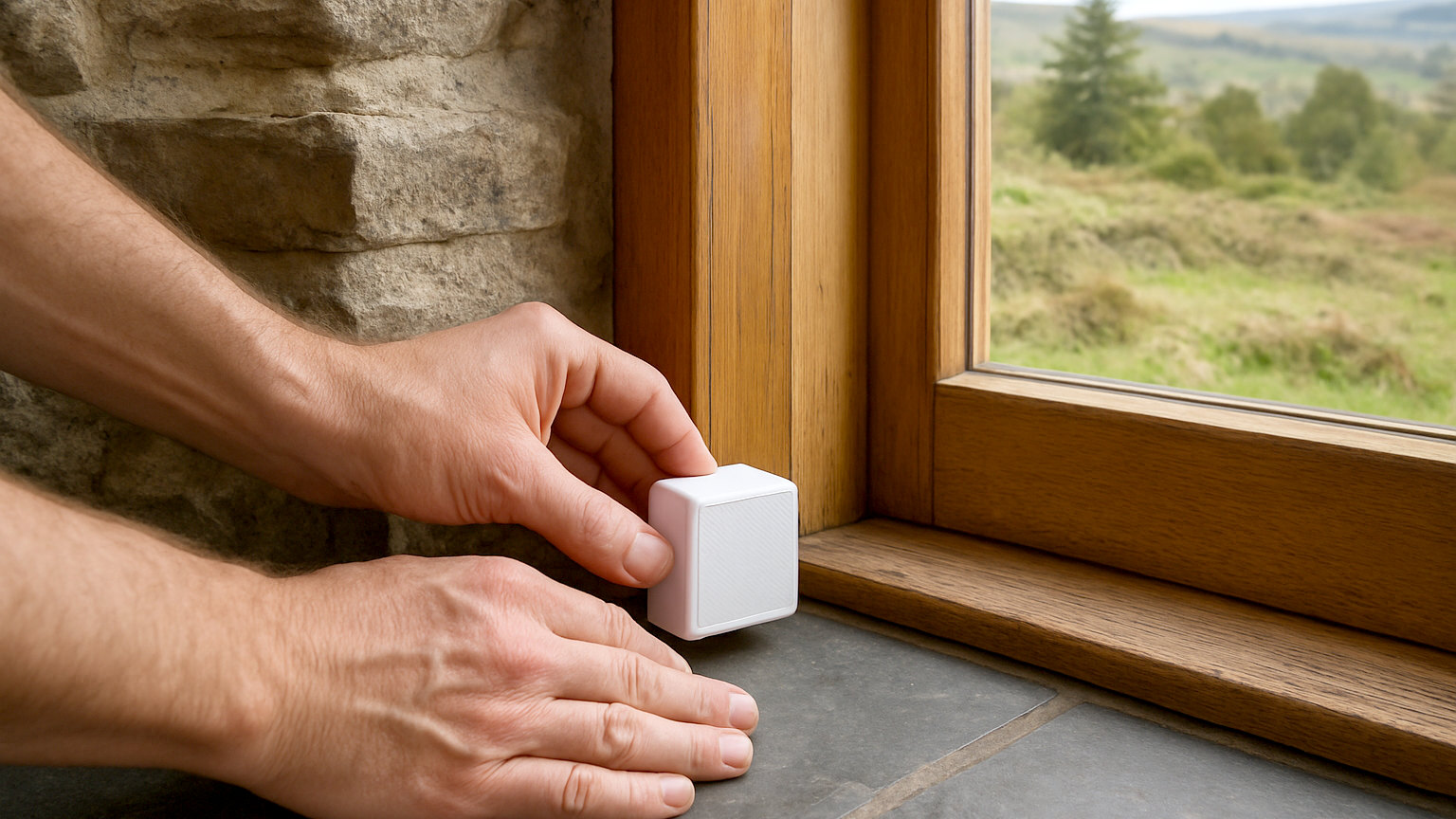
With detectors placed in the home for three months, usually one in a living room and one in a bedroom, then returned for analysis. Three months is needed because levels fluctuate with weather, season and how the house is used, so a short measurement is unreliable. Kits are inexpensive and available from the health security agency and other approved suppliers.
What are the levels?
Concentration is measured in becquerels per cubic metre. The action level in the United Kingdom is two hundred, above which remediation is recommended, and a target level of one hundred is set as a level worth aiming for. There is no threshold below which risk is zero, so reducing levels is beneficial even below the action level.
How do you reduce it?
Usually straightforwardly. The most common measure is a radon sump, a small void beneath the floor connected to a fan that vents gas outside, which is effective and typically costs a modest sum. Improving underfloor ventilation, sealing gaps in floors and increasing general ventilation also help. Guidance is available and specialist contractors carry out the work.
What about new buildings?
Building regulations require protective measures in affected areas, typically a radon barrier membrane and sometimes provision for a sump to be activated later. If you are buying a property, radon is covered in standard searches in affected areas and it is reasonable to ask whether the house has been tested and what the result was.
Why is this in a nuclear section?
Because it is the radiation risk that actually applies to British households, and it receives a fraction of the attention. Anyone genuinely concerned about radiation exposure should test their home for radon before considering anything else, since it is the one exposure they can measure, act on and reduce for a modest sum.
Does ventilation alone help?
It helps and it is rarely sufficient on its own at higher levels. Increasing ventilation dilutes what has entered, so opening windows and keeping airbricks clear reduces concentrations measurably, particularly in mildly affected homes. At levels well above the action level, the gas continues entering faster than ventilation removes it, and a sump system that stops it entering is the effective answer.
Test your home if you are in an affected area, aim below the target level, remediate above two hundred, and treat this as the radiation risk that actually applies.