This is a subject children encounter without warning, through news, overheard conversation and other children, and it produces disproportionate fear because it is abstract and invisible.
Why is it particularly frightening?
Because it combines several things children find hard: an invisible danger, adults who seem worried, imagery from film and games, and a threat with no obvious personal action attached. Unlike a storm or a fire, there is nothing concrete to picture and nothing familiar to compare it with, which leaves imagination to fill the gap.
What should you say?
Find out what they already think first, then answer that. Children frequently have a partial and more frightening picture assembled from fragments, and correcting a specific misunderstanding is far more effective than delivering general reassurance. Answer the question actually asked, briefly and honestly, without adding detail they did not seek.
- Ask what they have heard before you explain anything
- Answer the question asked, briefly and honestly
- Do not promise that nothing bad will ever happen
- Give something concrete: what we would do, who is working on it
- Limit repeated news and social media exposure
- Keep routines going, which reassures more than words
What should you not say?
Promises you cannot keep, since children detect them and lose confidence in everything else you have said. Also avoid dismissal, such as telling them not to be silly or not to worry, which teaches them not to raise things with you. Better answers acknowledge the feeling and then give something solid to hold on to.
What is proportionate?
Saying that these events are extremely rare, that a great many people work full time to prevent them and to plan for them, and that our family knows what we would do. That is accurate rather than false comfort. It is also worth pointing out that the things that actually disrupt life here are storms and power cuts, and that we are prepared for those.
Should you show them the preparations?
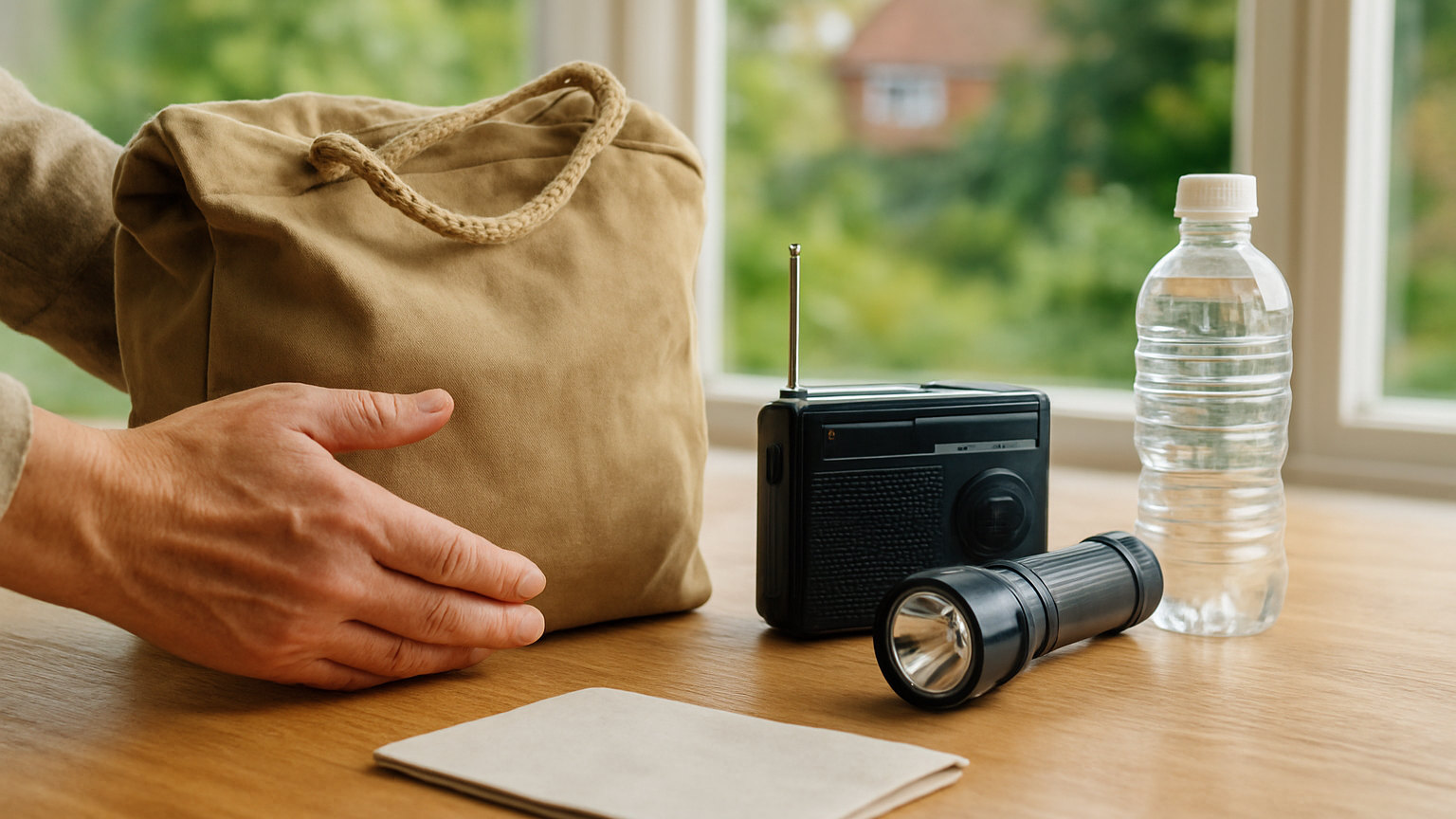
Yes, in most cases, and frame them as ordinary. Children who know where the torches are, who have helped pack a bag and who know the family plan generally feel more secure rather than less, because it converts an abstract fear into something with actions attached. Keep the tone matter of fact rather than solemn.
What about the news?
Limit repeated exposure, particularly rolling coverage and autoplay video. Young children may not understand that repeated footage shows the same event and can believe it is happening again each time. Watch or read it yourself at a set time, away from them, and tell them what they need to know in your own words.
How do children show they are struggling?
Through behaviour rather than words. Sleep problems, nightmares, clinginess, regression, reluctance to be apart from parents, physical complaints and irritability are all common. Teenagers may withdraw or become preoccupied with the subject, researching it repeatedly, which can escalate anxiety rather than settling it.
When should you get help?
If worry persists beyond a few weeks, escalates, or interferes with sleep, school or friendships. Speak to the school, which may be seeing something different and frequently has pastoral support, and to a GP. Young Minds provides guidance for parents, and Childline is available to children directly on 0800 1111.
What about anxious teenagers?
They frequently research the subject compulsively, which feels like taking control and generally increases anxiety. Discuss what they have found rather than banning it, talk about how to judge whether a source is reliable, and encourage limits on how much time goes into it. Teenagers usually want a genuine conversation about the actual situation rather than reassurance, and respond badly to being told not to worry.
What if you are anxious yourself?
Deal with that separately and honestly, because children read it regardless of what you say. It is entirely reasonable to find the subject unsettling, and pretending otherwise rarely works. Have the difficult conversations out of earshot, limit your own news consumption, and speak to a GP if the worry is persistent, since the same advice applies to adults.
Ask what they have heard, answer briefly and honestly, avoid promises you cannot keep, show them the ordinary preparations, and limit repeated coverage.