Sheltering sounds passive and it is doing two distinct jobs at once. Understanding both explains why it is the first instruction rather than a fallback.
What are the two mechanisms?
Shielding and exclusion. Building material between you and a source outside absorbs radiation, particularly gamma, reducing the dose reaching you. Separately, closing the building reduces the exchange of air, keeping contaminated dust and gas outside rather than letting you breathe it in. The first addresses exposure and the second addresses contamination.
How much protection does a house give?
A meaningful amount, and it varies with construction. Masonry walls, concrete floors and a substantial roof all attenuate radiation, so a solid brick house performs considerably better than a caravan or a timber shed. Multi storey buildings offer more, particularly in the middle floors and interior rooms. A basement is the best available in most homes.
- Mass between you and outside reduces exposure
- Closing the building reduces contaminated air coming in
- Choose an internal room with no external wall
- A basement or cellar is better than upstairs
- Close and block windows, doors, vents and chimneys
- Turn off all mechanical ventilation and extractors
Which room should you use?
The one with the most building material around it and the fewest openings. An internal hallway, a bathroom with no external wall, a room in the middle of the house or a cellar. Avoid rooms with large windows, conservatories, loft spaces and anything on an outside corner. If the building has several floors, a middle floor away from the roof and the ground is generally better.
How do you seal a room?
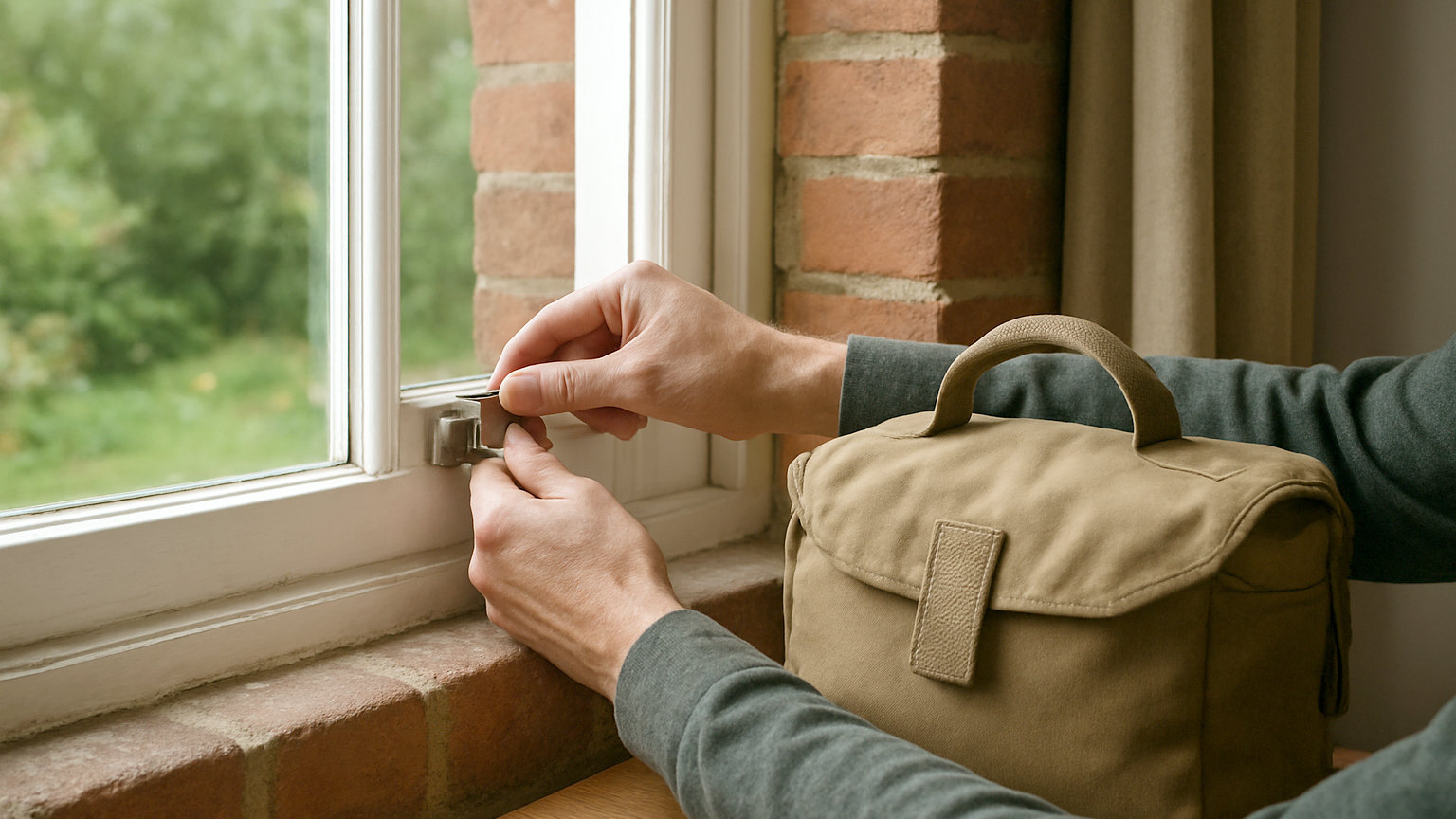
Close doors and windows, turn off ventilation and extractors, close or cover vents and air bricks, block the gap under doors with towels, and close a chimney damper or block a fireplace if it is safe. Tape over obvious gaps if you have any. It does not need to be airtight, and reducing the air exchange substantially is achievable in any ordinary house.
Does it get stuffy?
Yes, and for the periods involved that is acceptable. Sheltering for a few hours in a sealed room is uncomfortable rather than dangerous, and carbon dioxide accumulation only becomes a concern over much longer periods in very small tightly sealed spaces. If you are told to shelter for an extended period, the advice will address ventilation, and you should follow it rather than improvising.
What should you take in with you?
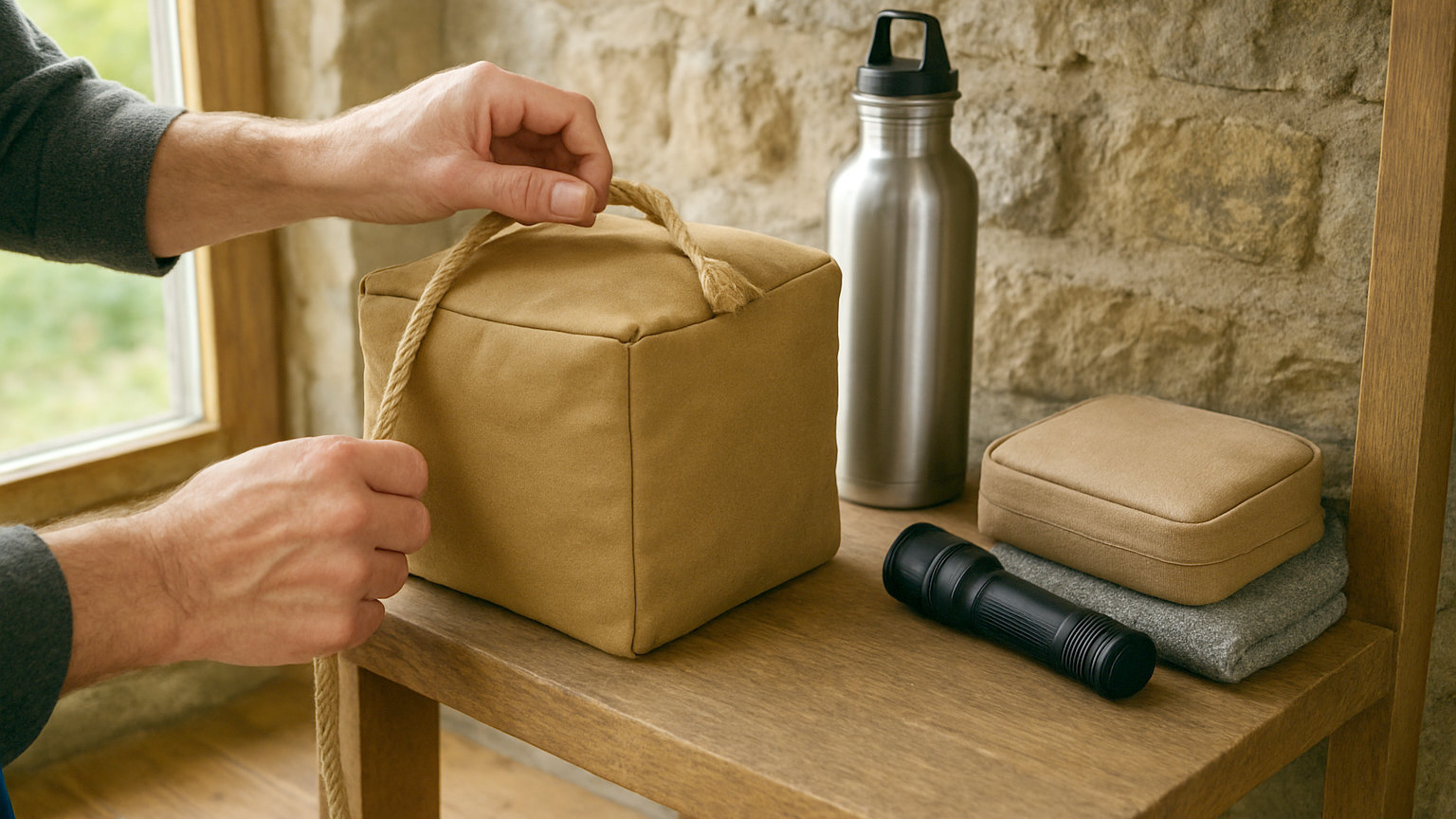
Water, food that needs no cooking, medication, a battery or wind up radio, a torch, phones and chargers, and something to occupy people. A lavatory within the sheltered area is a considerable advantage. Bring pets in. Anything you would want for a few hours without going anywhere.
What about people arriving?
Let them in, and manage contamination at the door. Someone who has been outside during a release should remove and bag outer clothing before coming further in, and wash if facilities allow. Do not leave people outside because of a contamination concern, since the risk from remaining outdoors is greater. Deal with it at the threshold.
When do you stop?
When the authorities say so. Sheltering advice is usually short term while a plume passes and conditions are assessed, and it may be followed by an instruction to continue, to evacuate in an organised way, or to resume normal activity. Tune in and act on the current advice rather than judging by how long it has been or by what you can see outside.
What if you are not in a house?
Get into the most substantial building available rather than staying where you are. A car offers very little shielding and no meaningful exclusion of outside air, and a tent or caravan offers essentially none. If you are driving, close the windows and vents, set ventilation to recirculate, and drive to a building rather than attempting to outrun anything.
Building mass shields you and a closed building keeps contamination out, so choose an internal room, seal the obvious openings, and wait for the instruction to change.