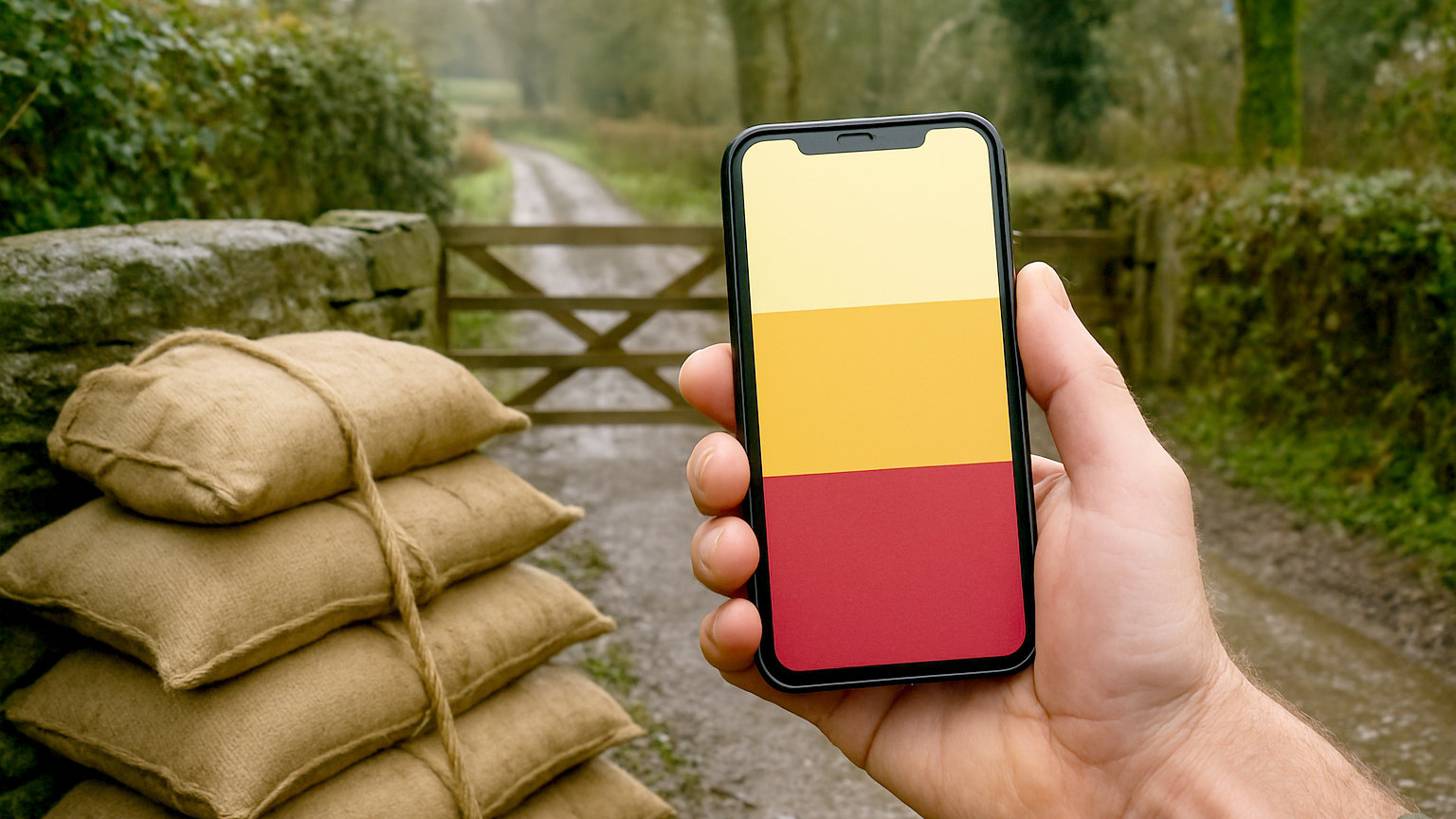
Flood warnings in England and Wales come in three levels, and each carries a different expected response. Knowing which is which turns a message into a decision rather than a source of anxiety.
What is a Flood Alert?
Flooding is possible and you should be prepared. It is the earliest and most frequent level, issued when conditions suggest flooding may occur in the area, typically two hours to two days ahead. It is a signal to start paying attention: check the forecast, move valuables from ground level, put the car somewhere higher, and make sure your phone is charged.
What is a Flood Warning?
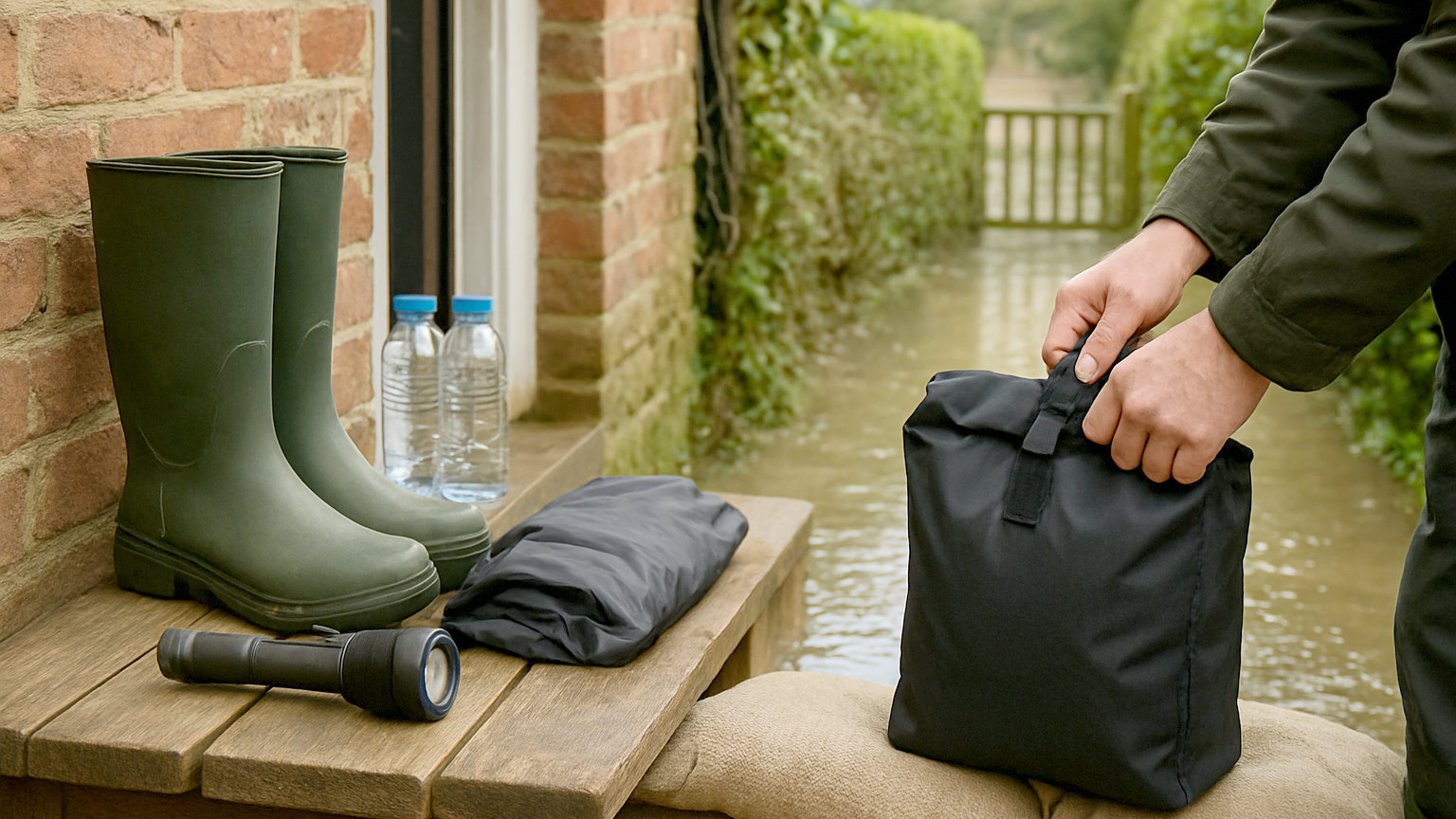
Flooding is expected and you should act now. This is the level at which you move possessions upstairs, turn off gas, electricity and water at the mains if it is safe to do so, and prepare to leave. Warnings are typically issued around half an hour to a few hours before flooding is expected, so the window is short and should be used rather than watched.
- Flood Alert: flooding possible, be prepared
- Flood Warning: flooding expected, act now
- Severe Flood Warning: danger to life, follow emergency services
- Register free for warnings by postcode
- Floodline is 0345 988 1188, available at all hours
- Warnings can arrive by phone, text or email
What is a Severe Flood Warning?
There is danger to life, and it is issued when flooding poses a significant risk to people or major disruption to communities. At this level you should follow the instructions of emergency services, be ready to evacuate immediately or already have done so, and avoid any contact with floodwater. Severe warnings are used sparingly and should be treated as an instruction rather than information.
How do you register?
Free, by postcode, through the flood warning service, and it takes a few minutes. You choose whether to receive alerts by phone call, text message or email, and you can register more than one property, which is useful for a relative or a second address. Scotland and Northern Ireland run equivalent services through their own agencies.
What if you get no warning?
Surface water flooding frequently arrives without one. The warning service covers flooding from rivers and the sea well, and flash flooding from intense rainfall overwhelming drains can happen anywhere with almost no notice. That is why checking the forecast for heavy rain warnings matters alongside registering for flood warnings, and why homes away from rivers are not exempt from flood risk.
How reliable are they?
Good and not perfect. Forecasting depends on rainfall predictions, river levels and tidal data, and conditions change. Warnings are sometimes issued for flooding that does not materialise, and occasionally flooding occurs where no warning was given. Treating a warning that came to nothing as a useful rehearsal rather than a false alarm is the right frame, since the alternative is discounting the next one.
What should you do when one arrives?
Act on the level it states rather than looking out of the window to judge for yourself. Flooding develops faster than people expect and the visible water level is a poor guide to what is coming. If your pre agreed trigger point has been reached, execute the plan rather than gathering further confirmation, which is the behaviour that costs people their window.
Where else should you look?
The flood warning service website shows current warnings and river levels, and local radio carries information during incidents. Met Office weather warnings indicate the rainfall that causes surface water flooding. Your local authority publishes information during larger events, including rest centre locations. Following those sources before an incident means you are not searching for them during one.
Should you register for more than one address?
Yes, and it costs nothing. Registering the addresses of elderly relatives, a workplace, a second property or a family member who would not think to do it themselves means you receive warnings for places you care about and can prompt people who may not act. It is one of the more useful things you can do for someone else in ten minutes.
Register for warnings today, learn the three levels, act on the level rather than the view from the window, and keep Floodline in your phone.