Flood protection divides into keeping water out and limiting the damage when it gets in. Households instinctively focus on the first, and the second frequently delivers more for the money.
What is the difference?
Resistance means preventing water entering: barriers, flood doors, airbrick covers and sealed walls. Resilience means designing the property so that water entering causes limited damage and dries quickly: tiled floors, raised electrics, waterproof plaster and removable fittings. Resistance fails above a certain depth, and resilience determines how long you are out of the house afterwards.
Which resistance measures work?
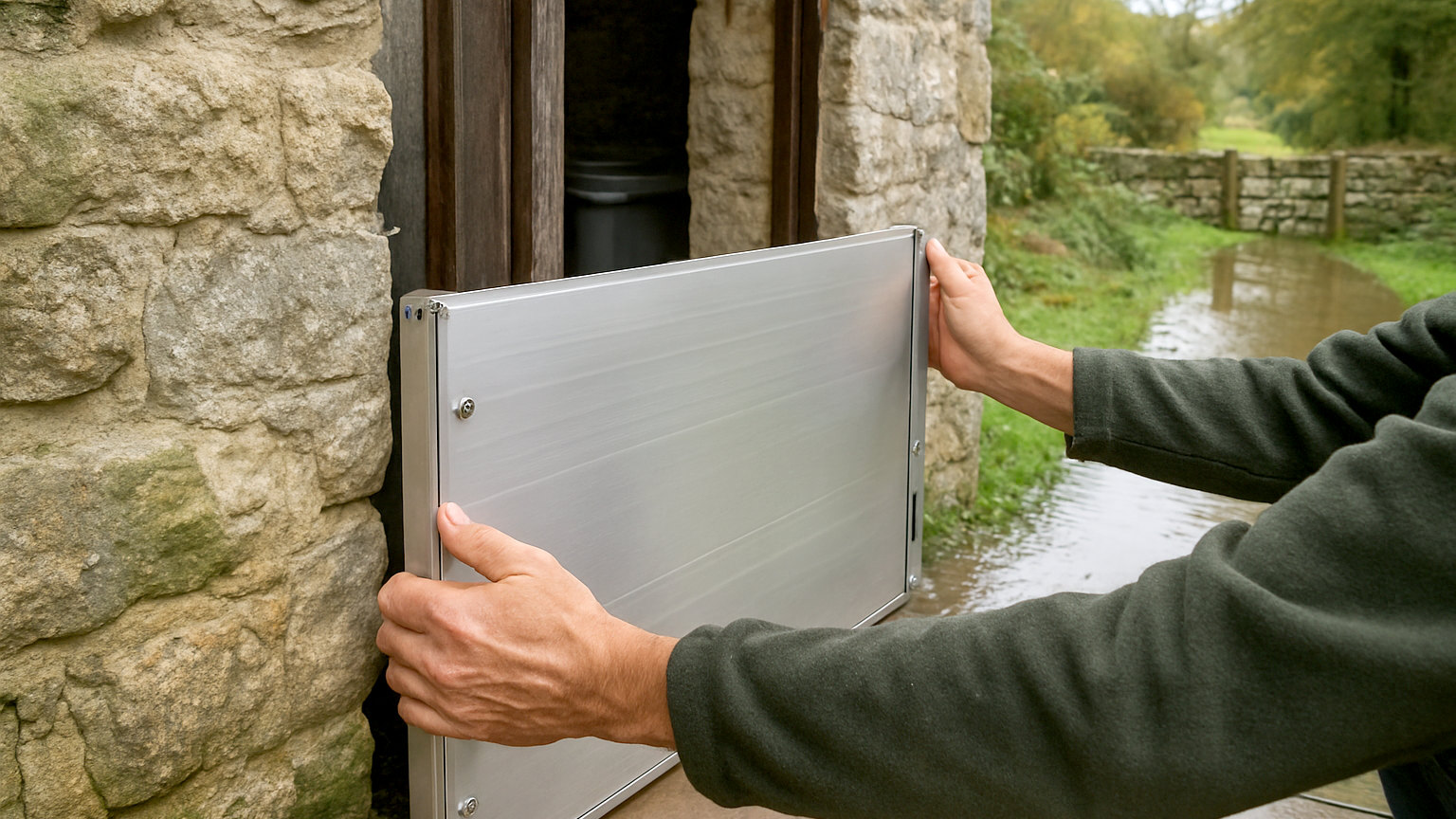
Door barriers, which slot into fixed frames and seal against a threshold. Automatic airbrick covers, which close when water rises. Non return valves on drains and toilets, which prevent sewage backing up into the property, a common and unpleasant route in. Sealed or replaced ground floor walls in some cases. Together these can hold back modest depths for a period.
- Door barriers and flood resistant doors
- Automatic or manual airbrick covers
- Non return valves on drains and toilets
- Sealing around cables, pipes and service entries
- Raised electrical sockets and consumer unit
- Tiled or concrete floors rather than timber and carpet
Why is there a depth limit?
Because water pressure against a wall becomes structurally dangerous. Above around a metre of water outside and none inside, the pressure differential can damage walls and floors, and in some cases the correct advice is to let the water in deliberately to equalise it. Barriers are therefore designed for modest depths, and holding back deep water is not the objective.
What does resilient repair involve?
Rebuilding so that the next flood costs less. Tiled or sealed concrete floors instead of timber and carpet. Waterproof render or lime plaster instead of gypsum, which crumbles. Electrical sockets and the consumer unit raised well above floor level. Kitchen units in plastic or stainless rather than chipboard. Removable doors and skirting. Each choice reduces both the cost and the drying time next time.
Do sandbags work?
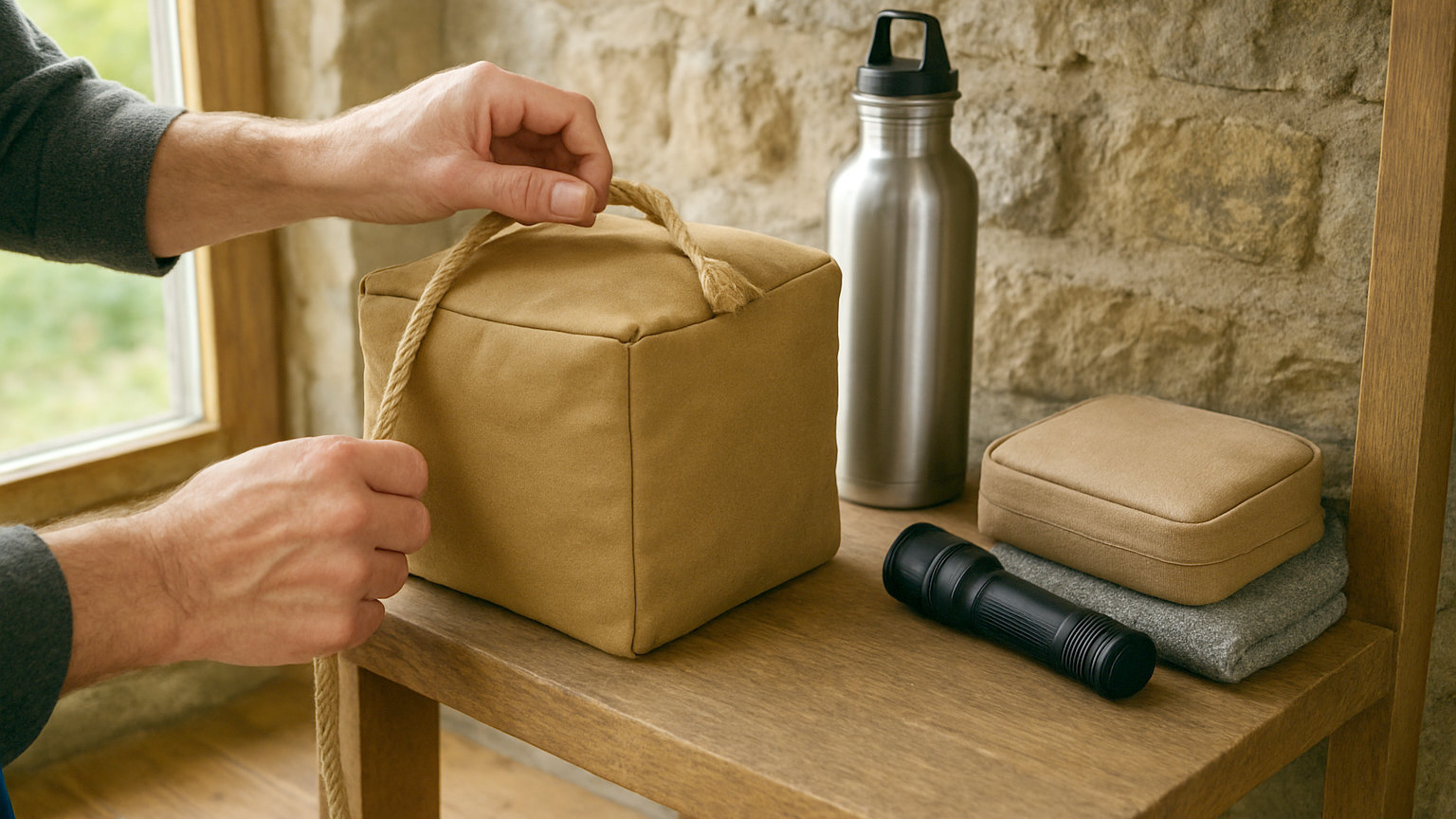
Poorly, and they remain the default image. They are heavy, slow to fill and place, leak substantially, absorb contaminated water and are difficult to dispose of afterwards. They divert water and slow it rather than sealing anything. Modern alternatives such as water filled barriers, self inflating flood sacks and purpose made door barriers perform considerably better for the same effort.
Is there financial help?
Sometimes, and it is worth asking. Property flood resilience grants have been made available after major flooding events through local authorities, typically covering a contribution toward measures for affected properties. Some insurers support resilient repair after a claim. Local authorities and the National Flood Forum can advise on what is currently available in your area.
How do you know what suits your property?
Through a survey. A property flood resilience survey assesses the likely entry routes, the depth and duration you might face, and which measures are appropriate. Water enters through doors, airbricks, drains, wall penetrations and sometimes through the floor, and measures that address only the front door leave the others open. Independent advice is worth the cost before spending on products.
What can you do cheaply?
Clear the gutters and drains, since blocked drainage causes a surprising proportion of surface water problems. Know where your stopcock and consumer unit are. Keep a supply of plastic sheeting and tape. Move valuables and important documents permanently to a higher floor. Keep a list of what you would move and where. None of this costs anything meaningful.
What can you do about the drains?
More than most people realise, and it is often the cheapest intervention available. Blocked gullies, silted drains and gutters full of leaves cause a surprising share of surface water problems, and clearing them costs nothing. Report blocked road gullies to the council, since they are responsible for highway drainage. Fitting a non return valve on your own drain prevents sewage backing up, which is a common and particularly unpleasant route in.
Get a survey rather than buying products blind, combine modest resistance with resilient repair, skip the sandbags, and clear the drains.