Living in a seismic country changes what matters about a home. The structure is largely determined before you arrive, and the contents and your knowledge of the building are within your control.
What should you know about the building?
When it was built and to what standard. Building codes in seismic countries have improved substantially over recent decades, and the era of construction is the strongest single indicator of how a building will perform. Ask about the construction type, whether it has been retrofitted, and whether it has been assessed. Local agents and long term residents generally know which building stock is trusted.
What are the warning signs?
Unreinforced masonry, which performs very poorly. A soft storey, meaning a ground floor with large openings such as shops or parking and much less wall than the floors above, which is a well known failure mode. Additions built without permission. Visible cracking, corrosion of reinforcement, or obvious poor workmanship. None of these are subtle once you know to look.
- Find out the construction era and code compliance
- Avoid unreinforced masonry and soft storey buildings
- Secure tall furniture and anything heavy stored high
- Know the exits, the stairs and where not to go
- Keep shoes, a torch and a whistle beside the bed
- Learn the local emergency numbers and warning systems
What can you actually change?
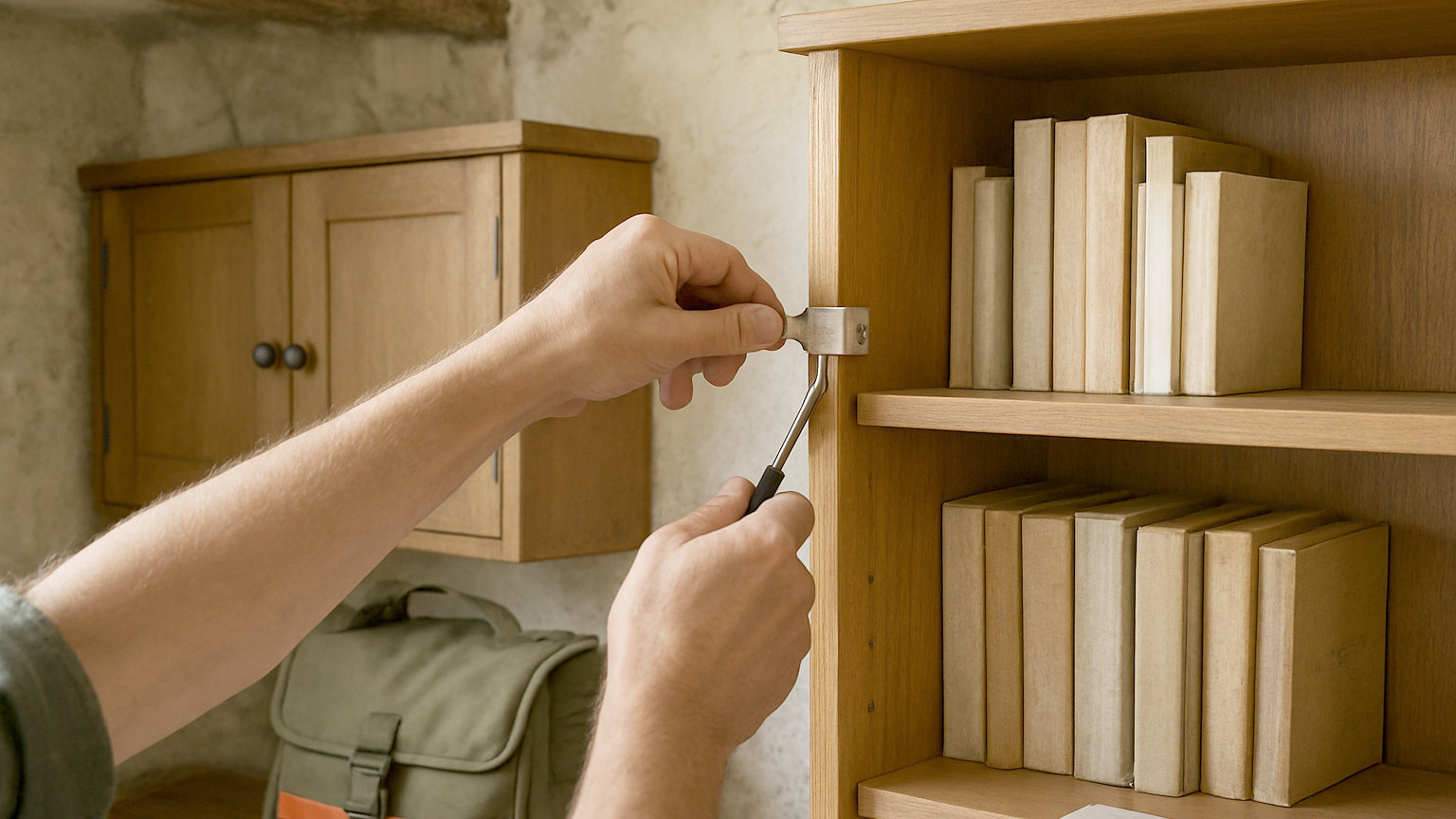
The contents, which is where most injuries come from anyway. Strap tall furniture, keep heavy items low, hang nothing above beds, latch cupboards and secure televisions and appliances. This is inexpensive, achievable in rented accommodation with a conversation, and addresses the hazard that engineered buildings leave behind.
What should you know about the layout?
Where the exits and stairs are, which rooms have the fewest hazards, and where you would take cover in each room you use regularly. Also which routes to avoid: lifts, glazed atria, and anything with heavy suspended fittings. Walking the building once with this in mind takes ten minutes and makes the response automatic.
What about warning systems?
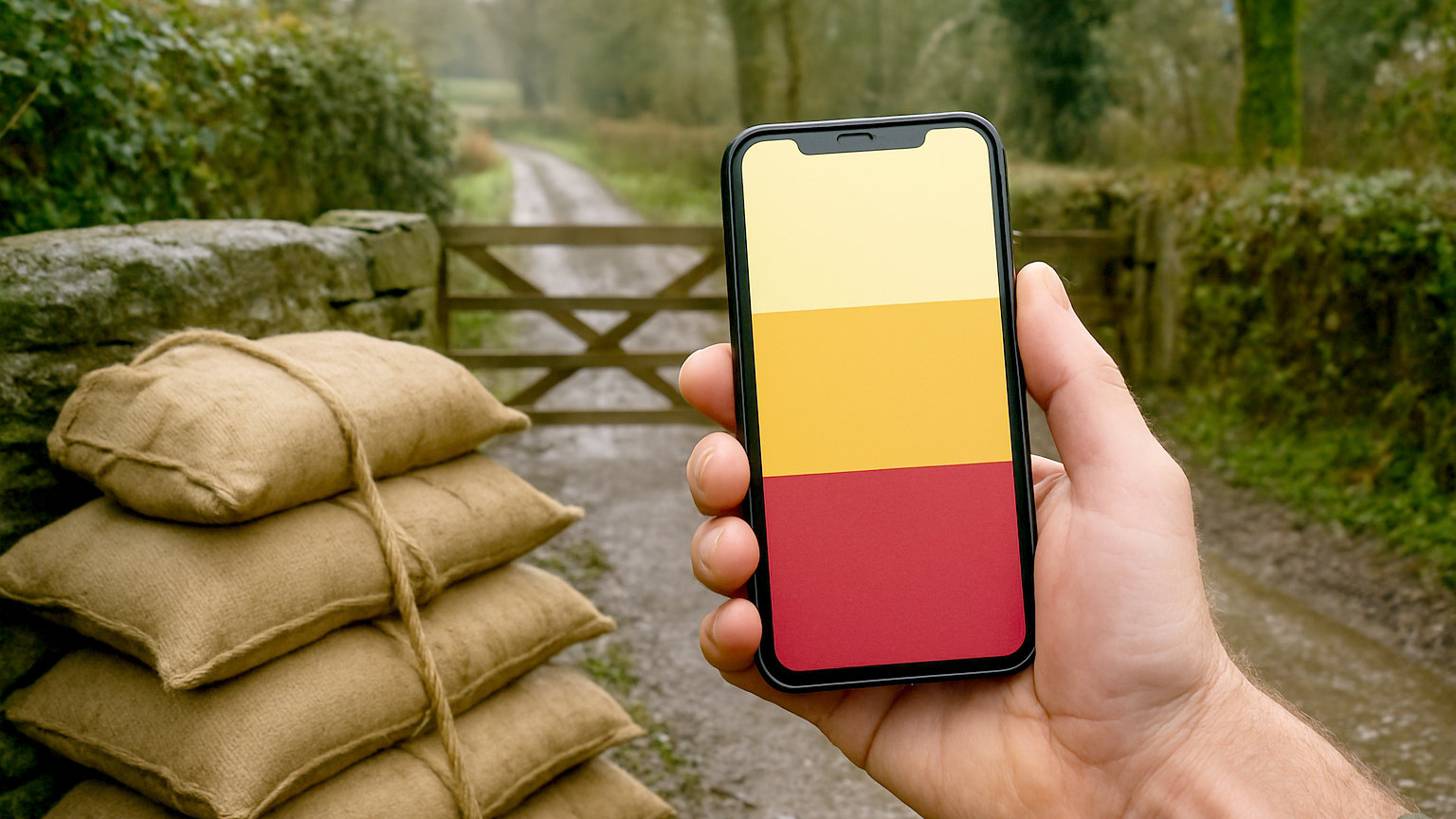
Several countries operate earthquake early warning, which detects the initial fast wave and sends alerts seconds before the damaging shaking arrives. Japan, Mexico, Taiwan and parts of the United States have public systems, frequently delivered through phones. Find out whether one exists where you are, enable the alerts, and know what the sound means before you hear it for the first time.
What about insurance?
Check whether earthquake cover is included, since it is frequently excluded or sold separately. Some countries operate national schemes with compulsory or subsidised earthquake insurance. Understand what is covered, what the excess is and whether contents are included, and do it when you arrange the policy rather than afterwards.
What should a family agree?
A meeting point outside the building, an out of area contact, and what each person does. Schools and workplaces will have their own procedures, so find out what they are and who is authorised to collect children. Network congestion after a significant earthquake is severe, so agree that everyone texts a single out of country contact rather than trying to reach each other.
How much water should you store?
More than for a British disruption. Supply interruption after a significant earthquake can last considerably longer than a few days, since pipes rupture across a wide area. Guidance in seismic countries frequently suggests a week or more, and storing it in several places means damage to one part of the building does not remove all of it.
What should you ask before renting?
When the building was constructed, whether it has been retrofitted or assessed, and what happened to it in previous earthquakes if the area has had them. Ask whether there are evacuation assembly points and where they are. Landlords and agents in seismic countries are used to these questions and being asked them is entirely normal, so there is no need to feel awkward about it.
Find out about the building, secure the contents, learn the layout and the exits, enable early warning alerts, and store more water than you would at home.