British nationals abroad during a deteriorating situation face one recurring problem: waiting too long. Commercial options close well before any official assistance becomes available.
What should you check before travelling?
Foreign, Commonwealth and Development Office travel advice for the country, which covers safety, security, entry requirements and local risks and is updated as circumstances change. Subscribe to email alerts for the country, which is free and means changes reach you rather than requiring you to look. Check your travel insurance covers the situations advice mentions.
What does the advice actually mean?
Read the wording carefully, since it is graded. Advice against all travel, or against all but essential travel, has practical consequences: most travel insurance is invalidated where you travel against official advice, and that includes medical cover. If advice changes while you are there, it affects both your insurance position and what assistance is realistic.
- Subscribe to Foreign Office alerts for the country
- Check insurance covers the situation and the advice level
- Keep passport, tickets, money and medication accessible
- Leave on commercial routes early rather than waiting
- Know where the British embassy or consulate is
- Keep family informed and agree a contact plan
Why leave early?
Because commercial flights, borders and roads close, and they close quickly. Airlines suspend routes, airports become congested, prices rise and seats disappear. Government assisted departure is a last resort, not a first option, may not happen at all, and cannot be relied upon. Anyone who leaves on an ordinary flight two days early has solved their own problem.
What can consular staff do?
Provide information and practical support rather than rescue. They can help with replacing lost passports, contacting family, providing information about local services and options, and in serious situations advising on departure arrangements organised by others. They cannot generally pay your costs, transport you, or intervene in local legal processes.
What should you keep with you?
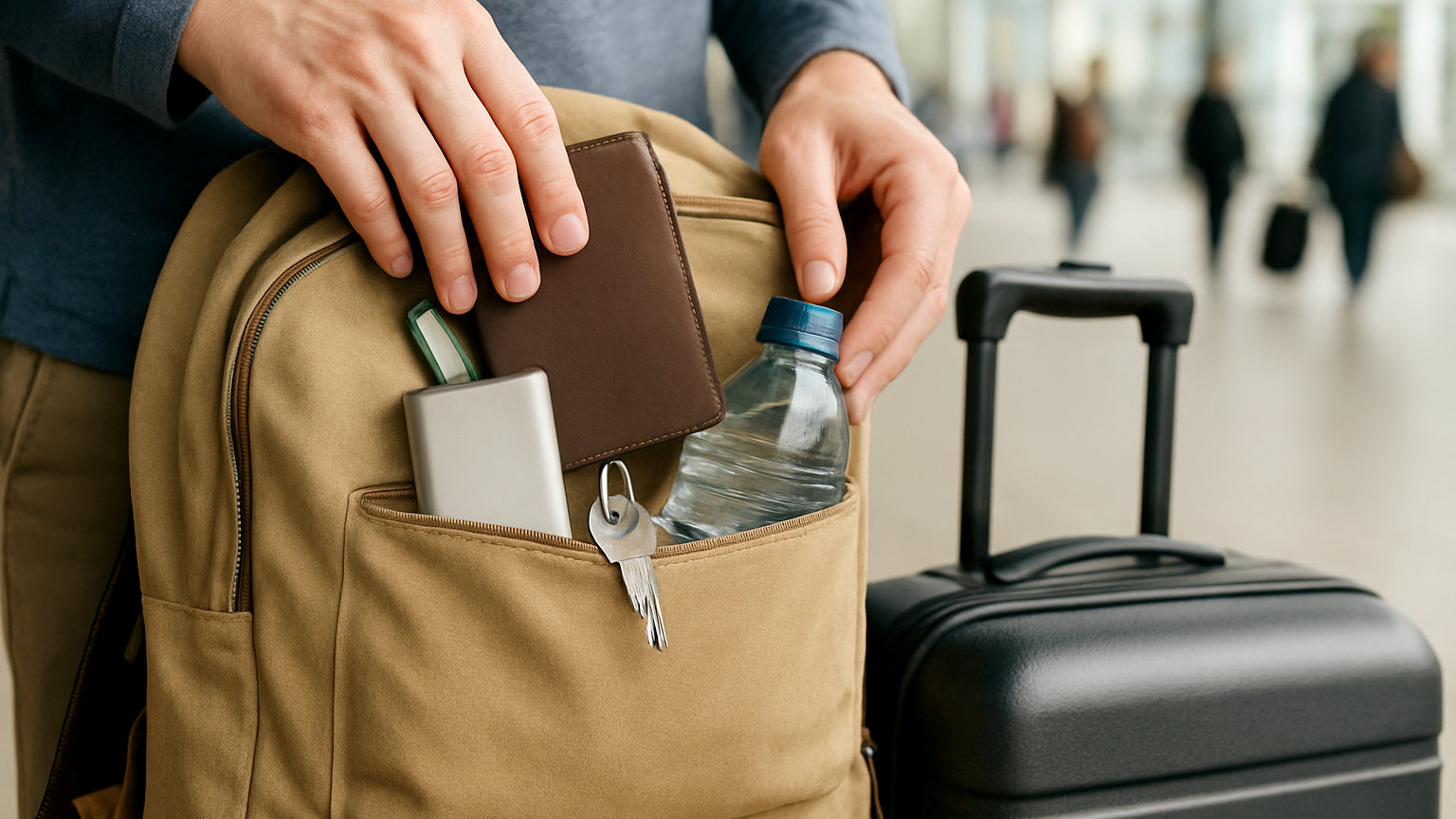
Passport, a copy of it stored separately and online, tickets and booking references, insurance details, cash in a usable currency, cards, essential medication and a charged phone with a power bank. Keep them together and accessible rather than distributed through luggage, so that leaving quickly with one bag is possible.
How should you keep in touch?
Through an agreed relay at home. Agree that you contact one person who passes messages to everyone else, since repeated calls from anxious relatives consume time and battery. Text rather than call where networks are congested. Tell them your plans and any change to them, and check in at agreed times so silence means something.
What about local advice?
Follow it, since local authorities know the situation and have jurisdiction. Instructions from local police, hotel management and authorities take precedence over anything advised from home. Where local advice and Foreign Office advice appear to conflict, follow local instructions for immediate safety and use the Foreign Office guidance for decisions about leaving.
What if you are affected by unrest rather than planning around it?
Stay indoors and away from demonstrations, avoid the areas involved, do not film, and keep a low profile. Demonstrations that appear peaceful can change quickly, and foreign nationals attending or observing them may face consequences that differ considerably from those at home. Keep documents with you and stay in contact with your accommodation and your insurer.
What about getting money?
Carry more than one means of paying and some cash. Card networks, cash machines and banking apps can all fail or be restricted during a serious situation, and a card that works at home may be blocked abroad without notice. Keep some cash in a widely accepted currency separate from your wallet, and tell your bank you are travelling so payments are not declined as suspicious.
What if you cannot get out?
Register with the Foreign Office for updates, stay in contact with your accommodation and your insurer, and keep your family informed through the agreed relay. Move to a safer area within the country if advised and if travel is possible. Keep documents, medication and a bag ready so that if an option appears at short notice you can take it immediately.
Subscribe to travel advice, check your insurance, keep documents and money accessible, leave on commercial routes early, and follow local instructions.