During any incident the information environment is worse than usual: more content, less verification and enormous pressure to know something immediately. Setting up the right sources beforehand is most of the answer.
Which sources are authoritative?
The police force for the area, the local authority, the emergency services involved, and the relevant agencies such as the Environment Agency for flooding or the Met Office for weather. The UK Emergency Alerts system for anything posing a threat to life. National and local broadcasters, which relay official information and add verified reporting.
Why is official information slower?
Because it is checked. Emergency services do not publish casualty figures, causes or details until they are confirmed, which takes time and is the correct approach. The gap between an event and confirmed information is where speculation grows, and filling it with guesswork is what generates most of the harmful content during incidents.
- Follow police, council and agency accounts before an incident
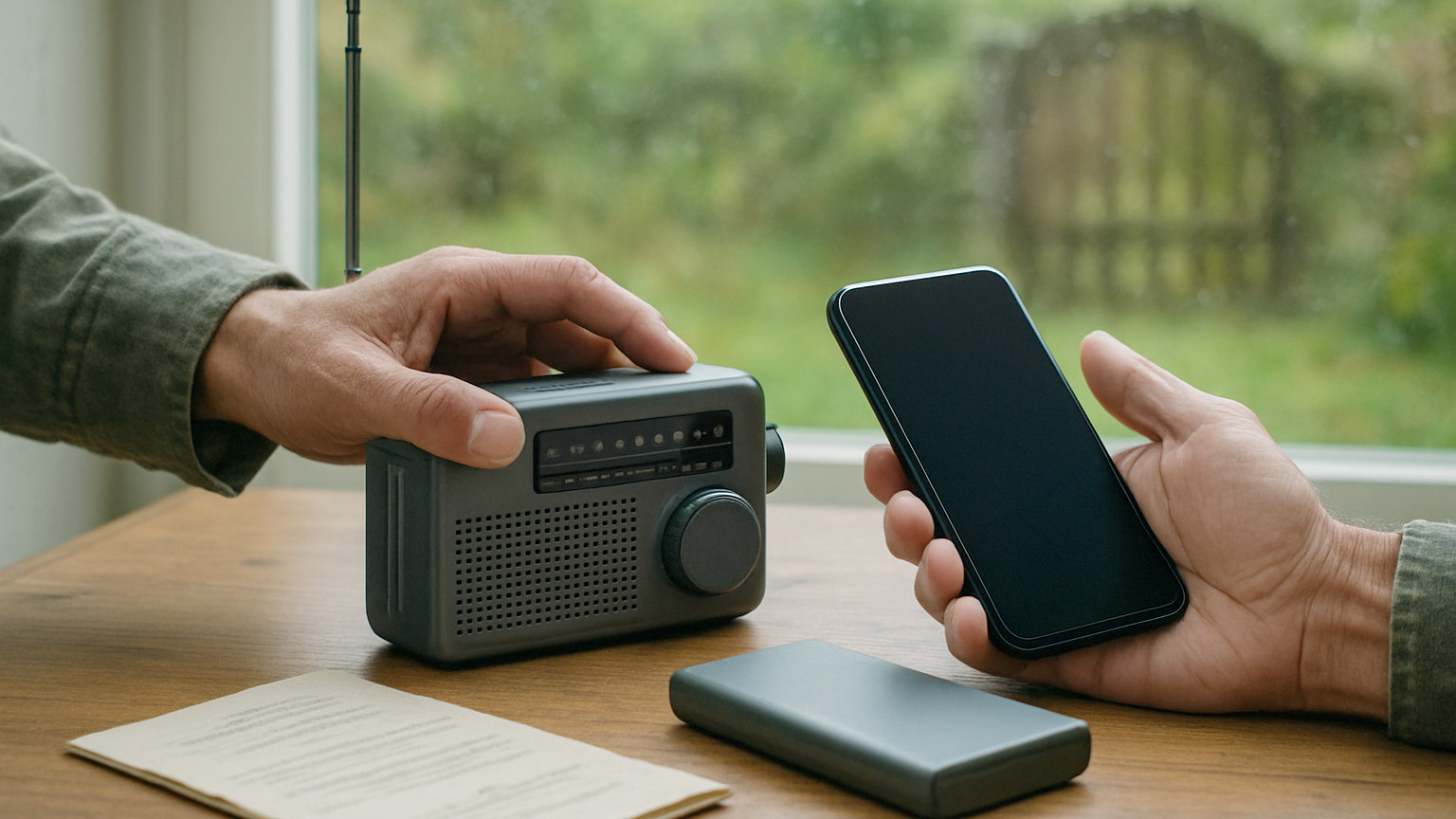
- Keep local radio available on a battery or wind up set
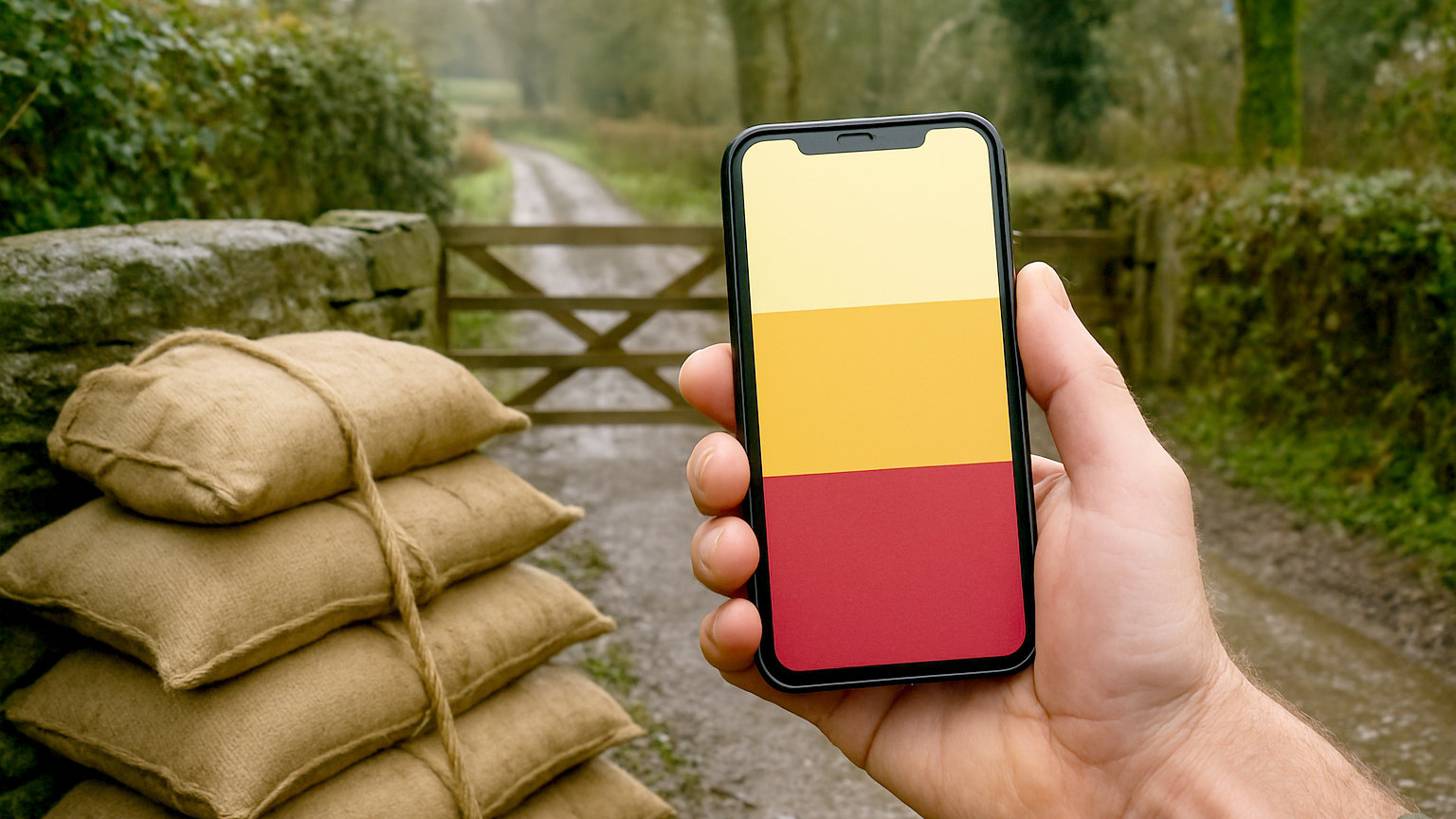
- Leave UK Emergency Alerts enabled on your phone
- Check whether an official source has said it before believing it
- Be sceptical of precise numbers issued early
- Do not share anything you have not verified
What circulates that should not?
Old photographs and video presented as current, which appear during almost every major incident. Rumoured evacuations, closures or restrictions that no authority has issued. Specific casualty figures before anything is confirmed. Claims about the identity or motive of anyone involved, which are frequently wrong and can be legally serious as well as harmful.
How do you check something?
Ask three questions. Who is the original source, and can it be identified. Has an official body said the same thing. Would sharing this change what anyone does, and is that change correct. If you cannot answer the first two confidently, do not pass it on. Adding a note that it is unverified does not travel with a post as it is reshared.
Why does sharing matter?
Because false information causes real harm during incidents. Rumoured evacuations put people onto roads that responders need. Incorrect advice sends people into hazards. Emergency services divert resources to correcting rumours. And when a genuine warning arrives, people who have been misled repeatedly are slower to act on it.
What about generated content?
It has made verification harder without changing the method. Convincing images and audio can now be produced easily, so the question shifts further from whether something looks real to who the source is and whether an authority has confirmed it. Treat any dramatic image without an attributable origin as unverified regardless of how plausible it appears.
How do you set yourself up?
Follow the accounts that matter now, before anything happens: your local authority, your police force, the relevant agencies and your local radio station. Write the local radio frequency on your battery radio. Leave Emergency Alerts enabled. During an incident these will be the fastest reliable sources and you will not be searching for them while anxious.
What if official sources say nothing?
Act on what you already know: your own plan, your own observations and any instruction already issued. The absence of an official statement early in an incident means the facts are not established, not that nothing is happening. Use the time to prepare rather than to search, and check again at intervals rather than continuously.
What about information from friends and family?
Treat it kindly and cautiously. People forward things because they are worried about you rather than to mislead, and the same message can pass through a dozen hands acquiring authority it never had. Ask where it came from before acting on it, and correct things gently rather than sharply, since the person sending it was trying to help rather than to mislead you.
Follow official accounts now, keep a battery radio, leave Emergency Alerts on, check before believing, and share nothing you cannot verify.