The phrase suggests something elaborate and expensive. In an ordinary British house it means a room you have chosen in advance and a few things kept in it.
What is it for?
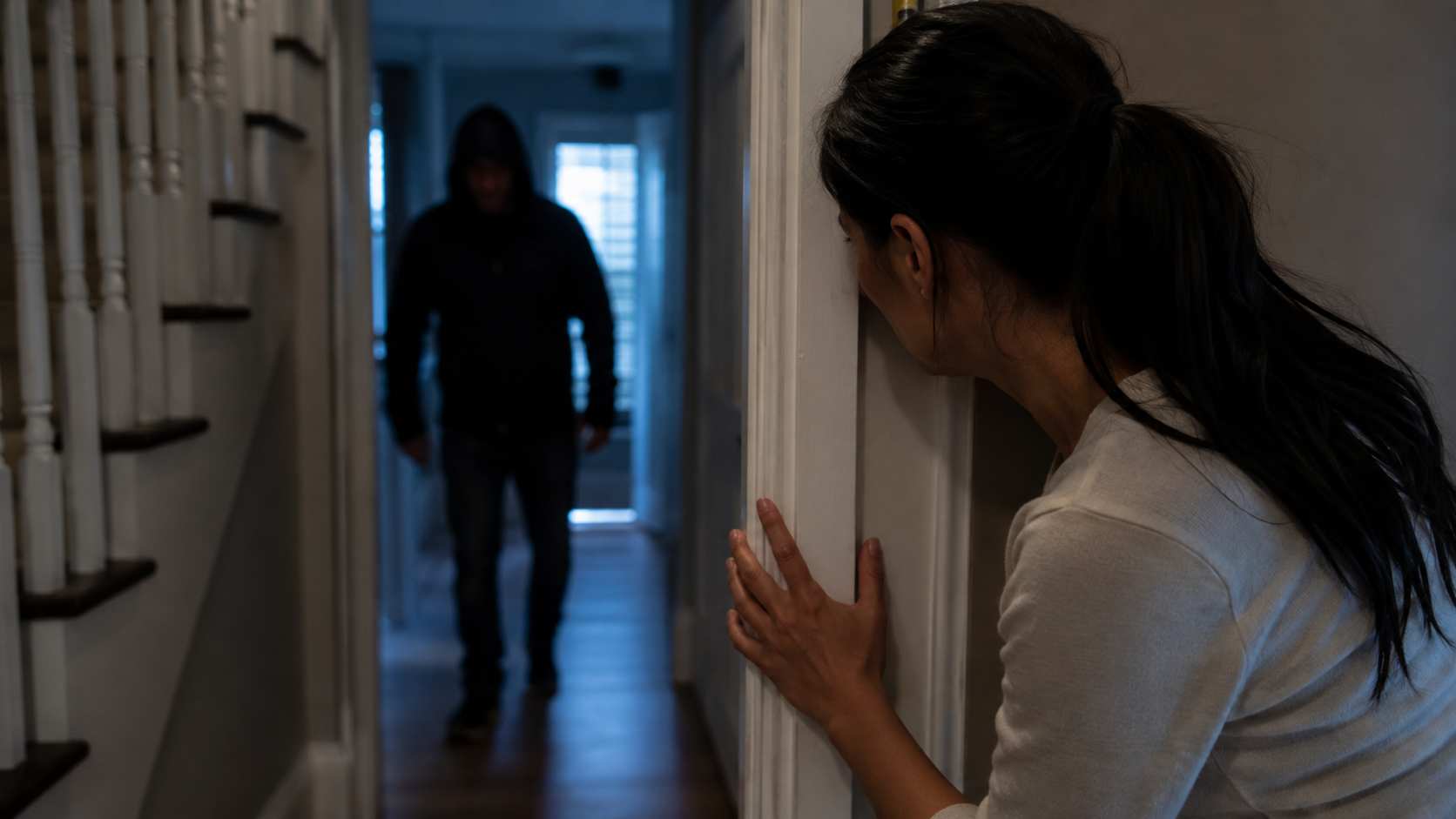
Buying time and separation. If someone is in the house, a room the household can gather in, close, lock and call for help from removes the confrontation that causes most injuries. The aim is not to withstand a siege, it is to put a door between your family and a stranger for the few minutes the police take to arrive.
Which room should it be?
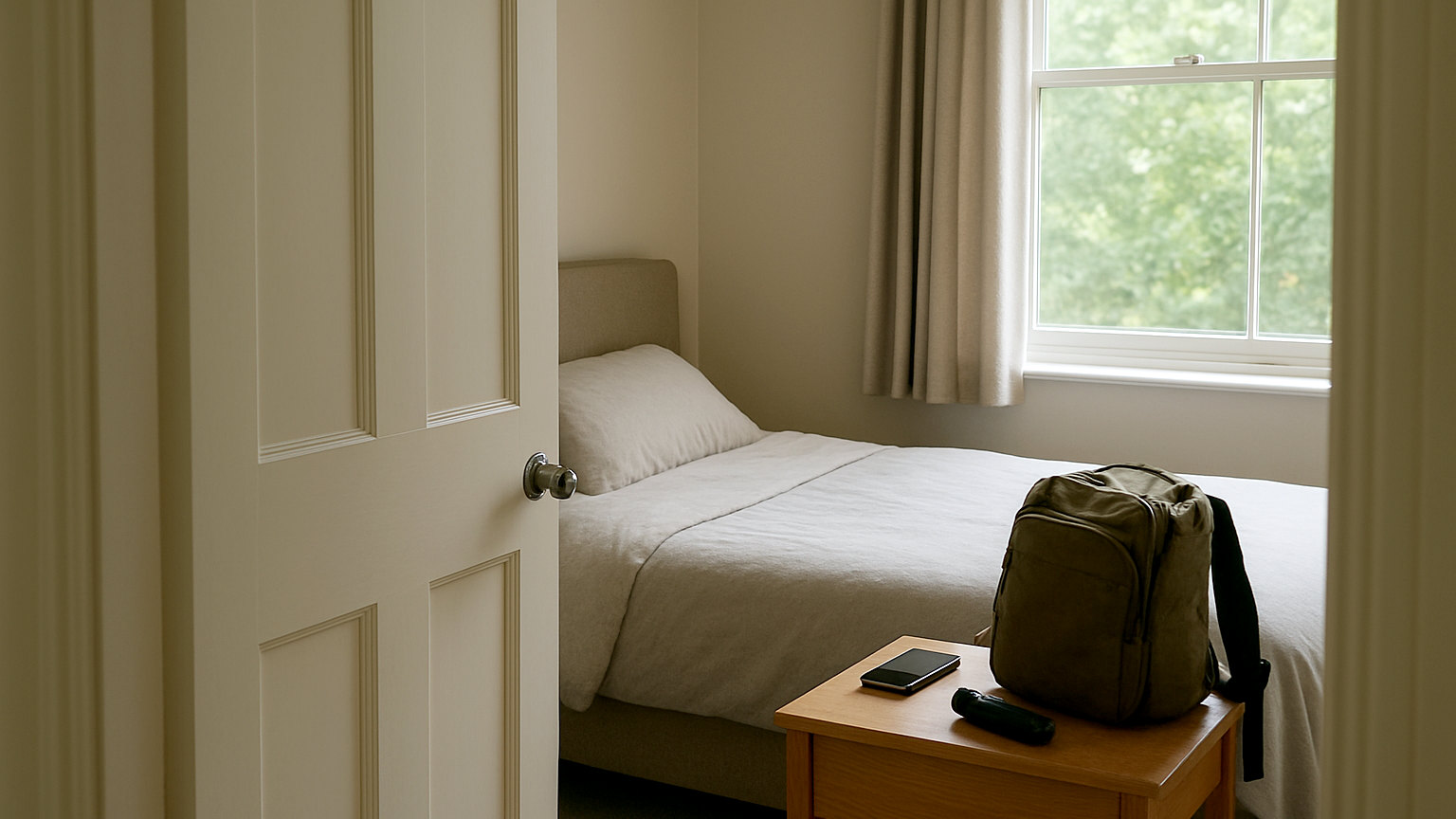
Usually an upstairs bedroom. It should have a door that closes and ideally locks, a window that could be used to shout from or escape through, space for everyone in the household, and be somewhere you would naturally already be at night. In a house with children, the room they sleep in or one adjacent to it makes the most sense.
- Choose one room and make sure everyone knows which
- A solid door with a lock or a bolt, fitted properly
- A charged phone kept in the room overnight
- A window that opens, and a torch
- Spare keys, so you can get out rather than only staying in
- Anything essential such as medication or an inhaler
What should it contain?
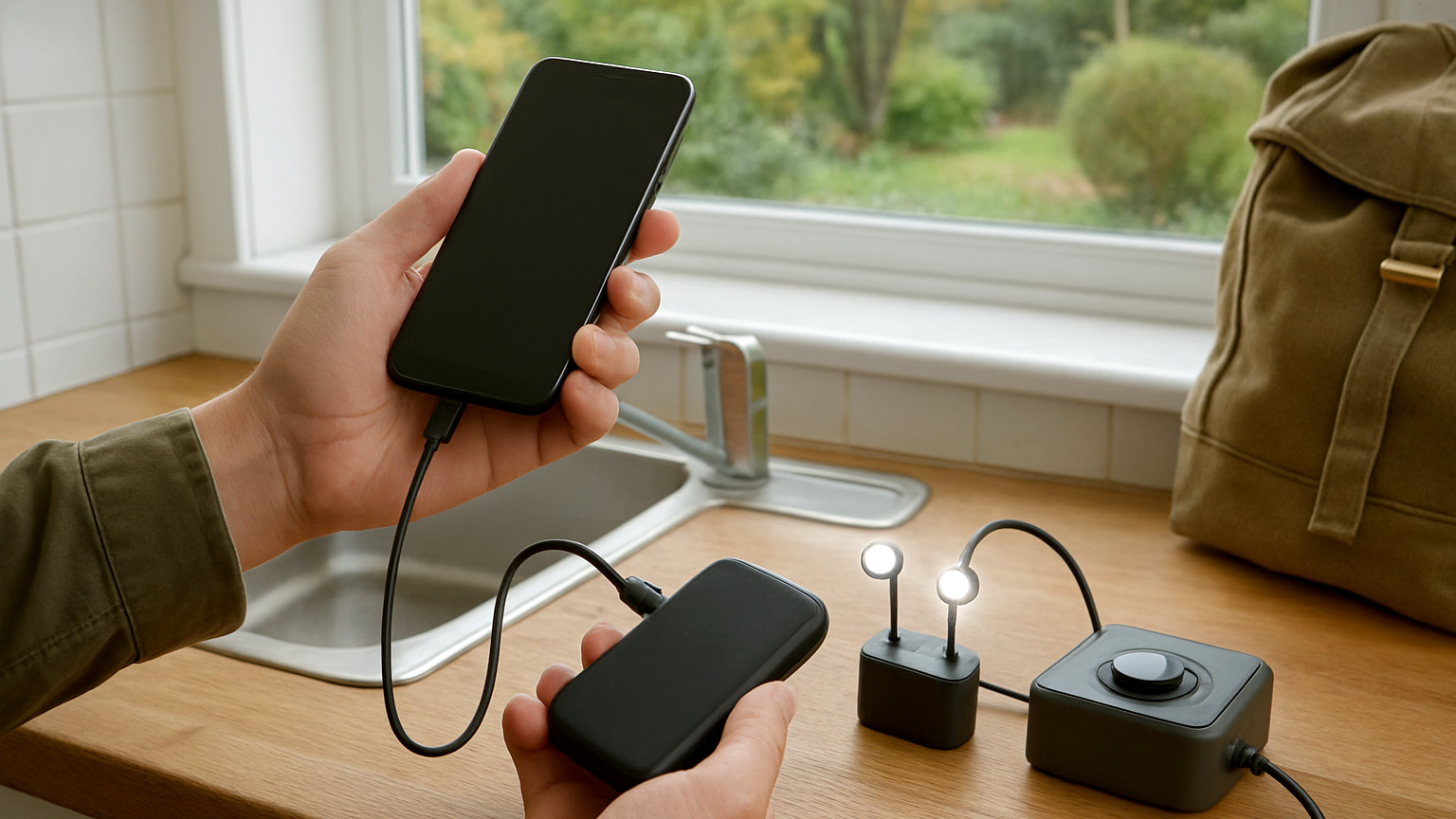
A charged mobile phone, which is the most important item by a wide margin, and a torch. Add a spare set of door and car keys so you can leave rather than only shelter, and anything medically essential such as an inhaler, insulin or a spare set of glasses. That is genuinely the whole list for a domestic situation.
What about the door?
A solid core door with a decent bolt is a substantial improvement over a hollow internal door with a privacy catch, and fitting one costs relatively little. A bolt at the top and bottom resists force far better than a single lock at handle height. Do not fit anything that could trap someone in a fire, and make sure it can always be opened from inside.
Does it need anything else?
No, and adding more usually means preparing for a scenario that does not happen. There is no need for supplies, communications equipment or reinforcement in a British domestic context. The situation this addresses lasts minutes rather than days, and the phone is what ends it.
Who else should know?
Everyone in the household, including children, framed calmly as the room we all go to if something happens in the night. That is the same conversation as a fire escape plan and it should be as undramatic. Children who know where to go and that an adult will be there are considerably less frightened than children improvising.
Does this apply to flats?
Yes, and the choice is usually simpler since there is one obvious bedroom. In a flat, be aware that the main door is your only exit in most layouts, which makes the phone and getting the police there matter more. Communal entrance security is worth raising with the freeholder or managing agent.
Is it worth doing at all?
The decision and the phone are worth it for any household, since they cost nothing. Fitting a solid door and a bolt is worth it for households in an area with a genuine burglary problem, or where someone would be particularly frightened or vulnerable. Beyond that it becomes a project addressing an increasingly unlikely event.
Does it conflict with fire safety?
It can, and fire safety takes priority. Never fit anything that could prevent someone leaving in a fire, never use a lock that needs a key from the inside, and keep the route to an exit clear. A bolt that opens instantly by hand is fine. If you have to choose, the fire risk is the more likely one by a very wide margin.
Choose the room now, keep a charged phone and a torch in it, fit a solid door and bolt if it is warranted, and tell everyone including the children.