Most published emergency guidance implicitly assumes a mobile adult who can walk down stairs, carry a bag and do without electricity for a while. Where those assumptions do not hold, the plan needs different content rather than more of the same.
What is the Priority Services Register?
A free register maintained by energy and water suppliers and network operators for customers who need extra support. Eligibility includes being of pensionable age, having a disability or chronic illness, depending on powered medical equipment, having a young child, or having temporary circumstances such as recovering from surgery. Registration brings advance notice of planned interruptions, priority reconnection, welfare checks and, for water, bottled water delivery. Registering takes a few minutes and must be done with each supplier separately.
What about powered medical equipment?
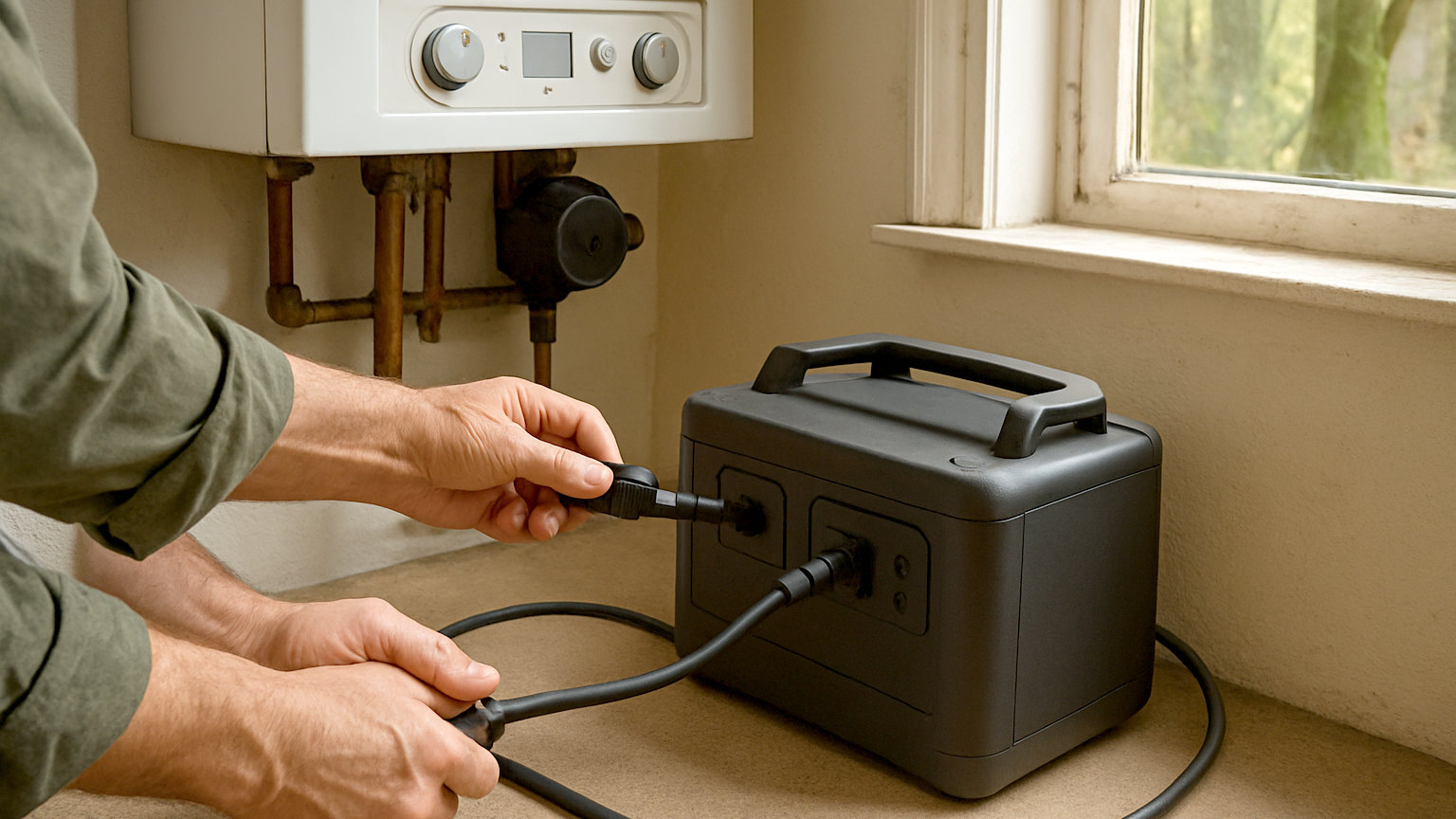
It needs a specific plan, made with the clinical team rather than improvised. Home oxygen, ventilators, nebulisers, feeding pumps, dialysis and powered wheelchairs all fail without electricity. Ask the supplying service what backup exists, how long any battery lasts, and what the escalation route is during an outage. Some equipment has manual alternatives and some does not. Make sure the arrangement is written into the household plan and known to more than one person.
- Register with every energy and water supplier for priority services
- Agree a backup plan for any powered medical equipment
- Keep a documented list of medication, doses and suppliers
- Maintain a reasonable stock of essential medication
- Plan evacuation routes that do not depend on lifts
- Identify people who could physically assist and ask them in advance
How much medication should be kept?
Enough to cover a plausible disruption, obtained through the normal repeat prescription cycle rather than by stockpiling. Ordering promptly each month rather than at the last moment naturally builds a small buffer. Discuss with the GP or pharmacist whether a larger supply is appropriate, particularly for anything critical. Keep a written list of everything, with doses and the prescribing surgery, in the grab bag and with the out of area contact.
What changes about evacuation?
Almost everything. Lifts stop in a power cut and must not be used in a fire, so a plan depending on one is not a plan. Identify a refuge point, understand what assistance the fire service can provide, and speak to the building manager if you live in a block, since many have personal emergency evacuation plans for residents who need them. Allow far more time than standard guidance suggests, and arrange this in advance rather than expecting to solve it during an incident.
Who should be involved?
Neighbours, family and any care providers, explicitly and in advance. Ask two nearby people whether they would check on you or assist in an evacuation, and make sure they have a key or know who does. Care agencies should have their own contingency arrangements, which are worth asking about, since services are frequently disrupted during severe weather.
What about assistance animals and equipment?
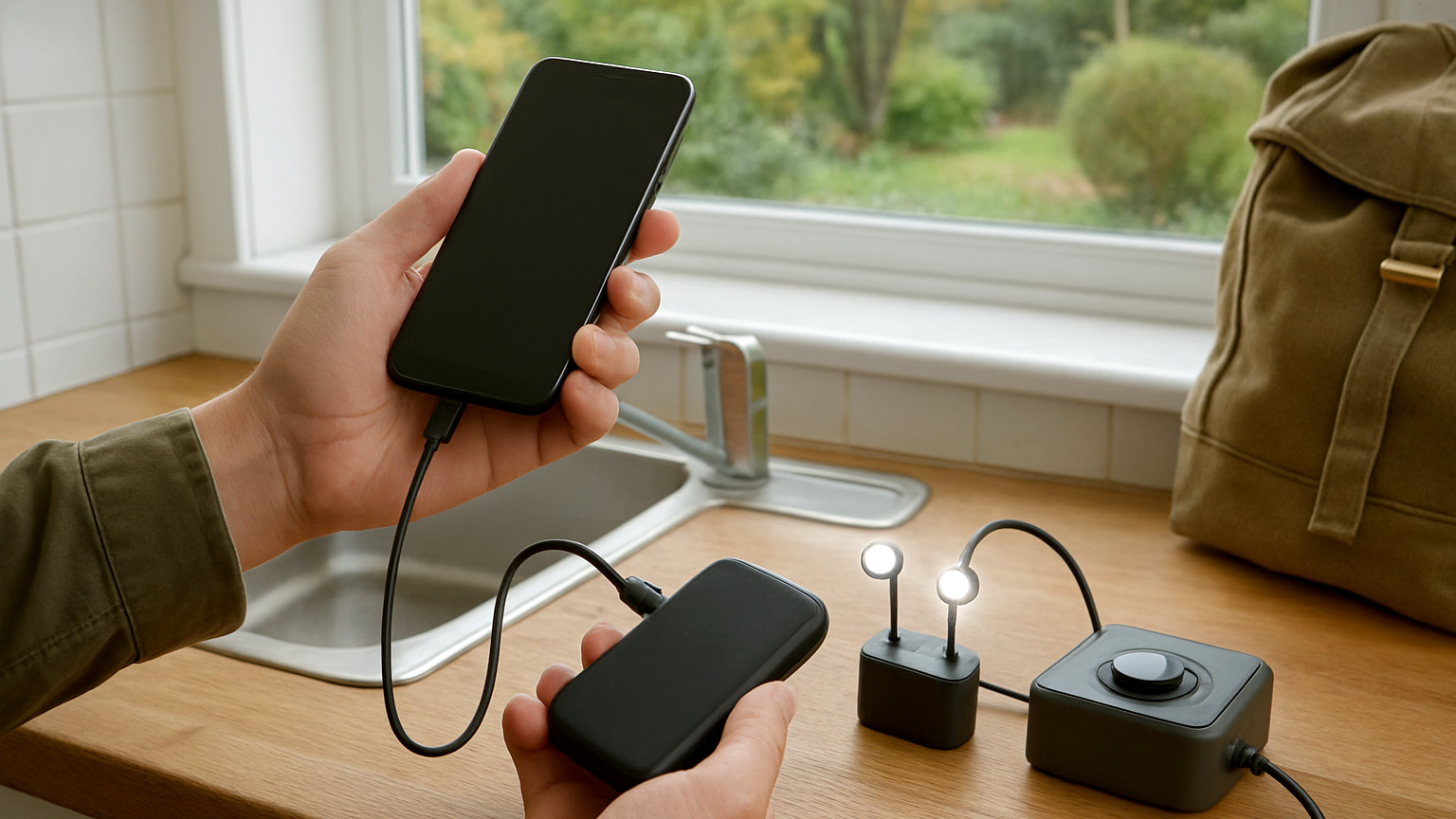
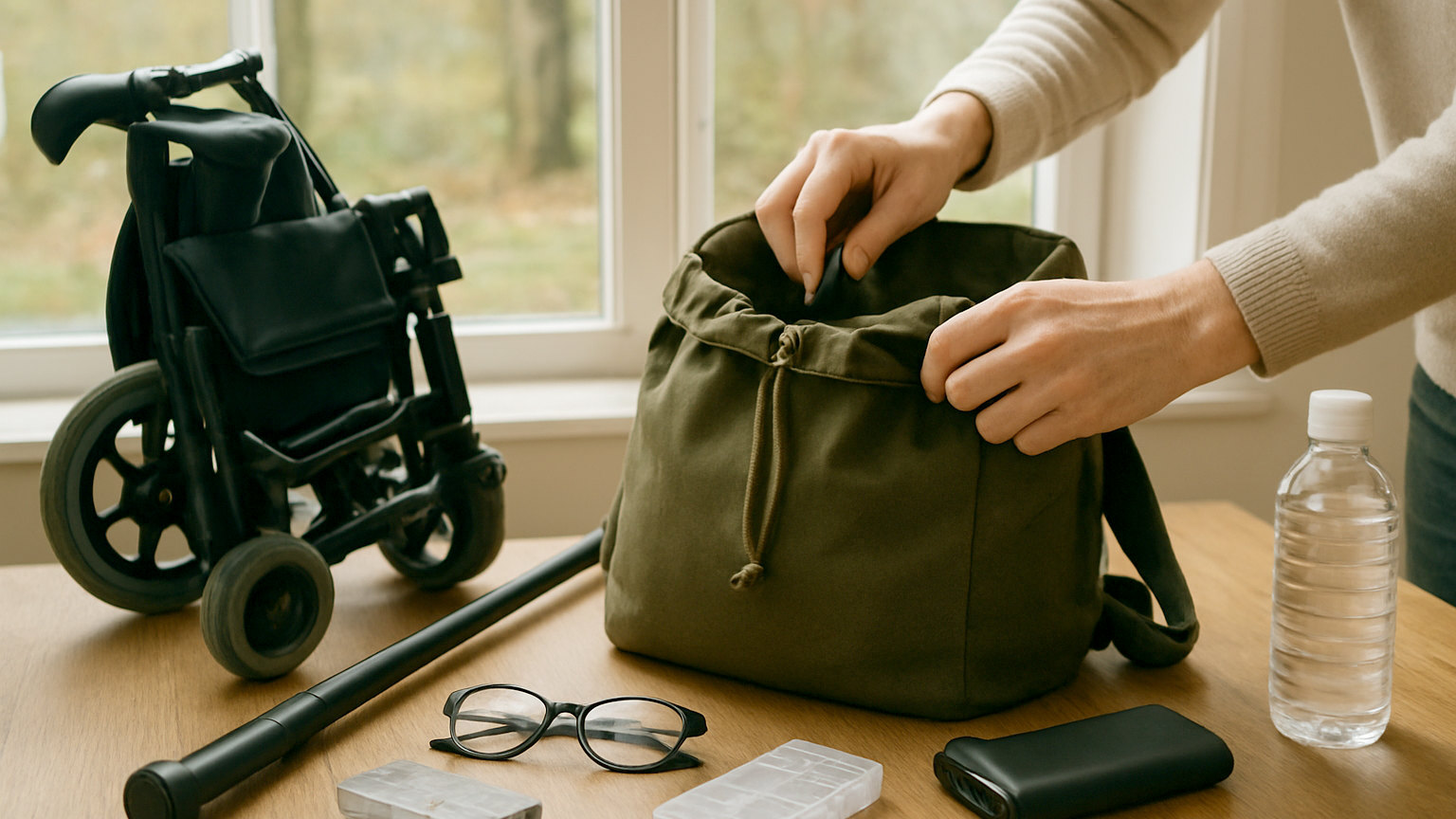
Plan for them as essentials rather than extras. An assistance dog needs food, water and a means of being transported. Spare glasses, hearing aid batteries, catheter supplies, incontinence products and a spare charger for any powered chair all belong in the grab bag. These are the items most often forgotten and least easily replaced during a disruption.
How should the plan itself be presented?
In a form the person can use. Large print, high contrast, or an audio recording where that is more accessible. Keep it simple and keep it where it can be reached from a bed or a chair rather than filed in a drawer upstairs. A plan that requires good eyesight and mobility to consult is not much use to someone who has neither.
What if care visits stop?
Plan for a gap, because severe weather routinely disrupts domiciliary care. Ask the agency what their contingency arrangement is and who would be contacted if a visit cannot happen. Identify a neighbour or family member who could cover essentials for a day, and make sure they know where medication, equipment and the plan are kept. Local authorities also maintain arrangements for vulnerable residents during major incidents, and adult social services can advise on what exists locally.
Register for priority services, agree a backup for anything powered, arrange help in advance, and write the plan in a form the person can actually read.