An emergency kit is not a bunker or a hobby. It is a small set of ordinary items kept together so that a power cut, a burst main or a flood warning does not turn into a scramble around the house by torchlight, and most households already own the majority of it.
What does the kit actually need to do?
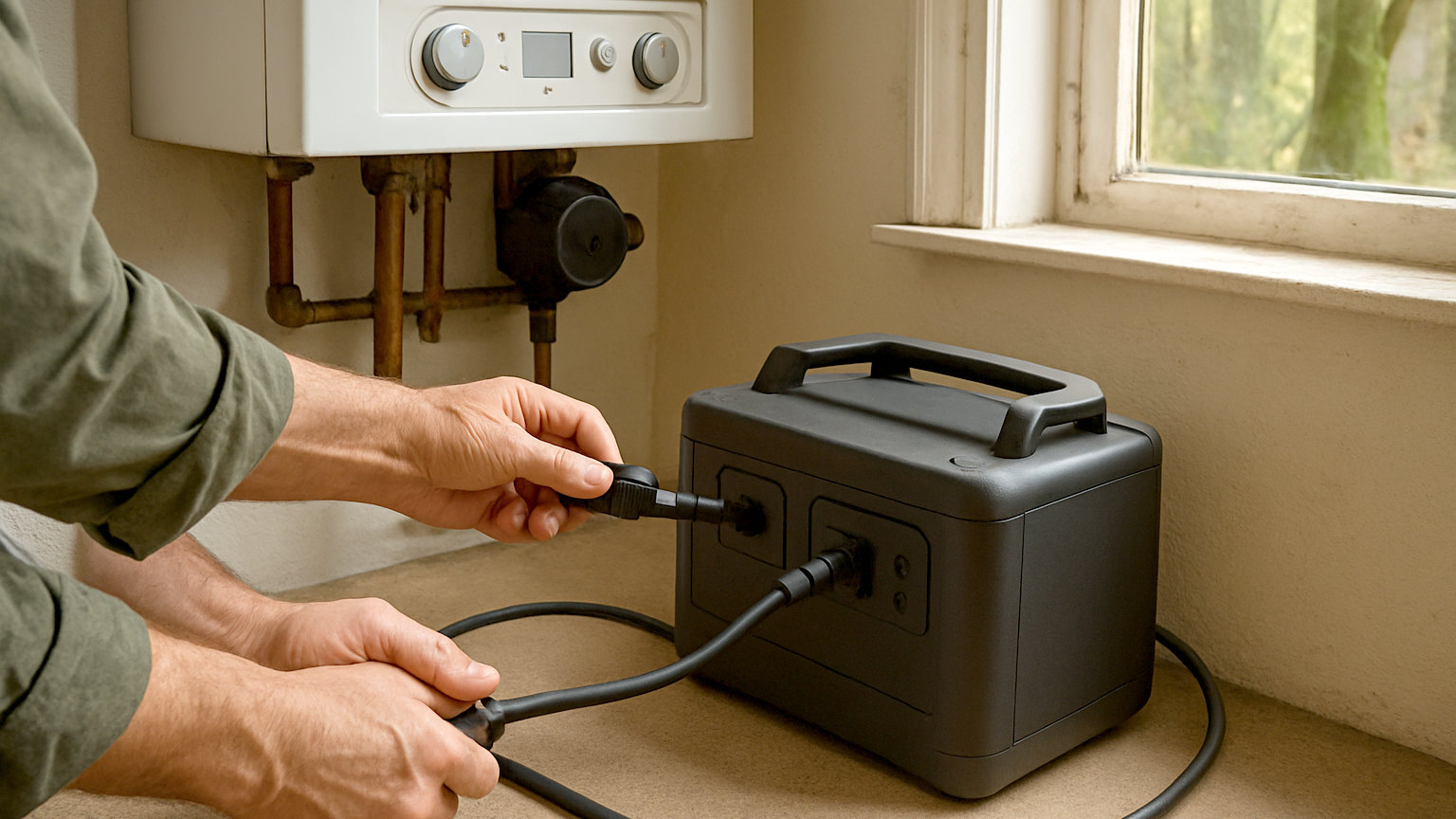
Cover the six things that fail together. Water, when the supply is interrupted or a boil notice is issued. Light, when the power goes. Warmth, because a gas boiler stops without electricity. Information, when the internet and mobile data are down. Food that needs no cooking. And money, because card machines and cash points fail. Everything else is refinement, and a household with those six covered is better prepared than most.
What are the core items?
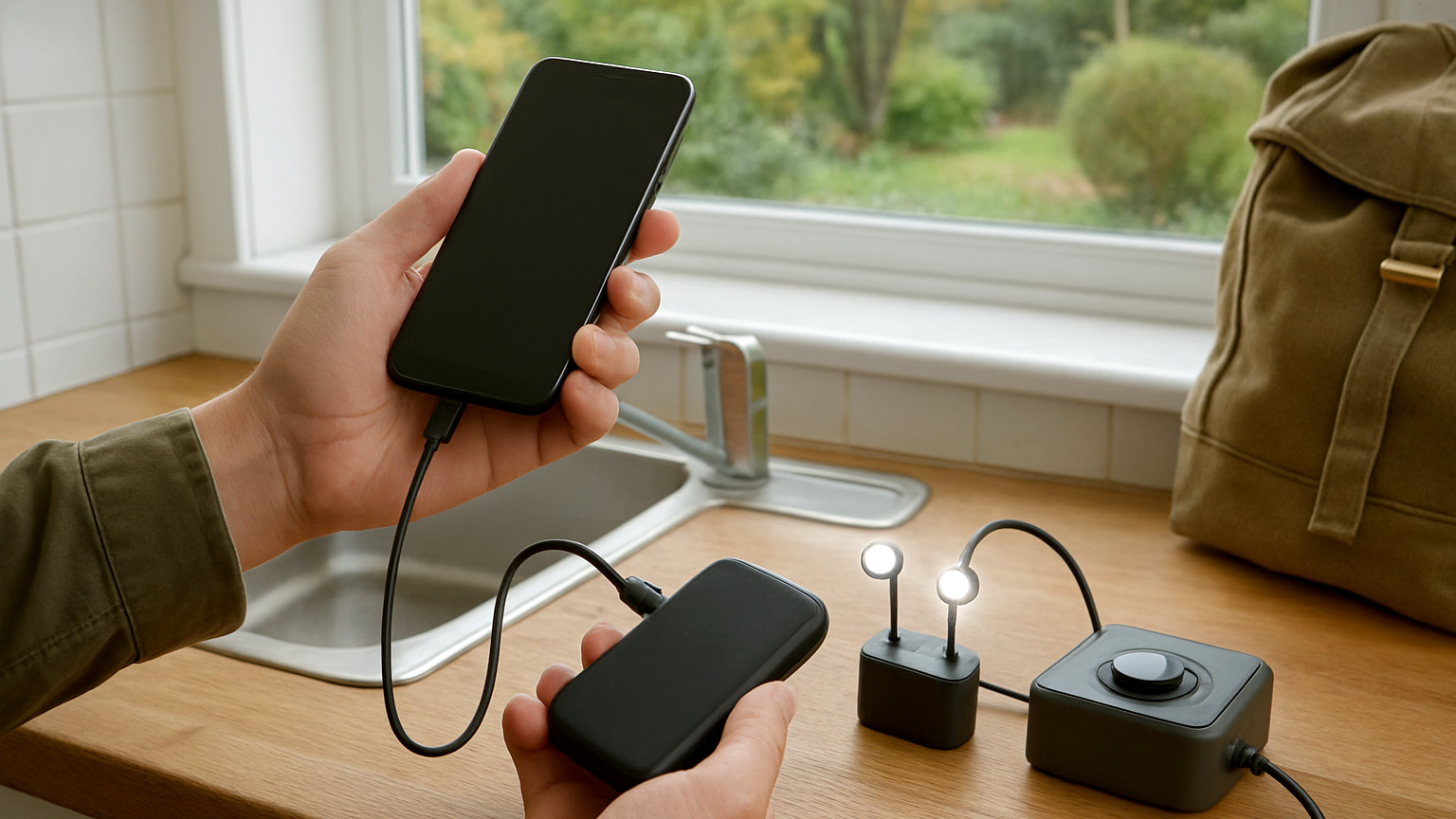
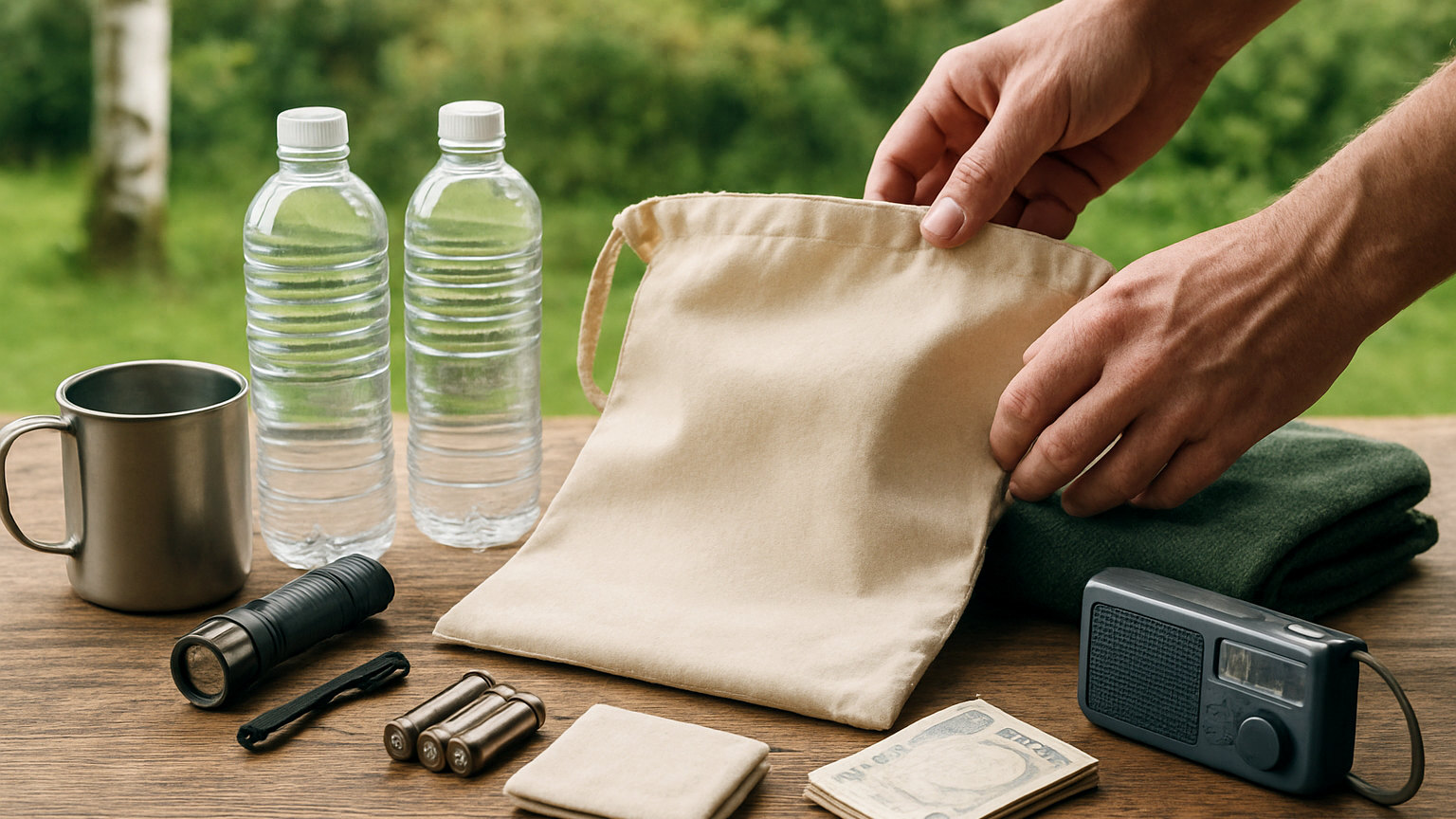
Bottled water and a means of treating more. Torches and head torches with spare batteries. A battery or wind up radio. Power banks, kept charged. Warm layers, blankets and a hot water bottle. Food requiring no cooking, and a manual tin opener. Cash in small denominations. A first aid kit and a supply of any prescription medication. Copies of key documents. These fit into a single storage box and a couple of water crates.
- Water, three litres per person per day for at least three days
- Torches and head torches, plus spare batteries
- Battery or wind up radio for local information
- Charged power banks and charging cables
- No cook food and a manual tin opener
- Cash in small notes and coins
- First aid kit and prescription medication
- Warm layers, blankets and a hot water bottle
How long should it cover?
Three days as a minimum and a week as a comfortable target, which is broadly what UK government preparedness guidance suggests. Almost every British disruption resolves well inside a week. Beyond that the cost and storage requirements rise steeply for scenarios that are increasingly unlikely, and the effort is better spent making sure the first week is genuinely covered rather than extending toward a month.
What do people most often forget?
A manual tin opener, which renders a cupboard of tins useless. Cash, because contactless payment has made it easy to carry none at all. Spare batteries in the right sizes. Medication, both prescription and simple painkillers. Anything for babies, pets or anyone with specific needs. And charging cables, which are usually plugged in somewhere else in the house when they are needed.
Should you buy a ready made kit?
Usually not. Commercial kits tend to be poor value, containing large numbers of low quality items and few of the ones that matter. You will end up replacing the torch, the food is rarely anything you would actually eat, and the price reflects packaging rather than contents. Assembling your own from ordinary shops costs less and produces something better suited to your household.
Where should you keep it?
Somewhere accessible in the dark, known to everyone, and not in the loft. A cupboard near the front door or under the stairs works well. Keep the torch and the radio at the front where they can be reached first, and keep a separate torch in each bedroom, since the kit is no use if you cannot see well enough to reach it.
How much does it cost?
Less than people expect if built gradually. Adding a few tins, a torch or a pack of batteries to a normal weekly shop spreads the cost to almost nothing over a couple of months. The only items with meaningful cost are a decent radio and a good power bank, and both are useful in ordinary life rather than sitting unused.
Does the kit change through the year?
Slightly, and it is worth adjusting rather than treating it as fixed. Winter is when power cuts are most likely and cold is the main threat, so warmth items, extra blankets and hot drink supplies matter most from October onward. Summer shifts the emphasis toward water, since heat raises consumption and supply interruptions during dry spells are more common. Reviewing the kit at the twice yearly check gives a natural point to swap the emphasis.
Cover the six essentials, build it over a few shopping trips, and keep it where you can find it without needing a light to look for the light.