Motorway closures, snow, flooding and breakdowns leave drivers stationary for hours every winter in Britain, occasionally overnight. A small boot kit turns that from a serious situation into an uncomfortable one.
What are the year round essentials?
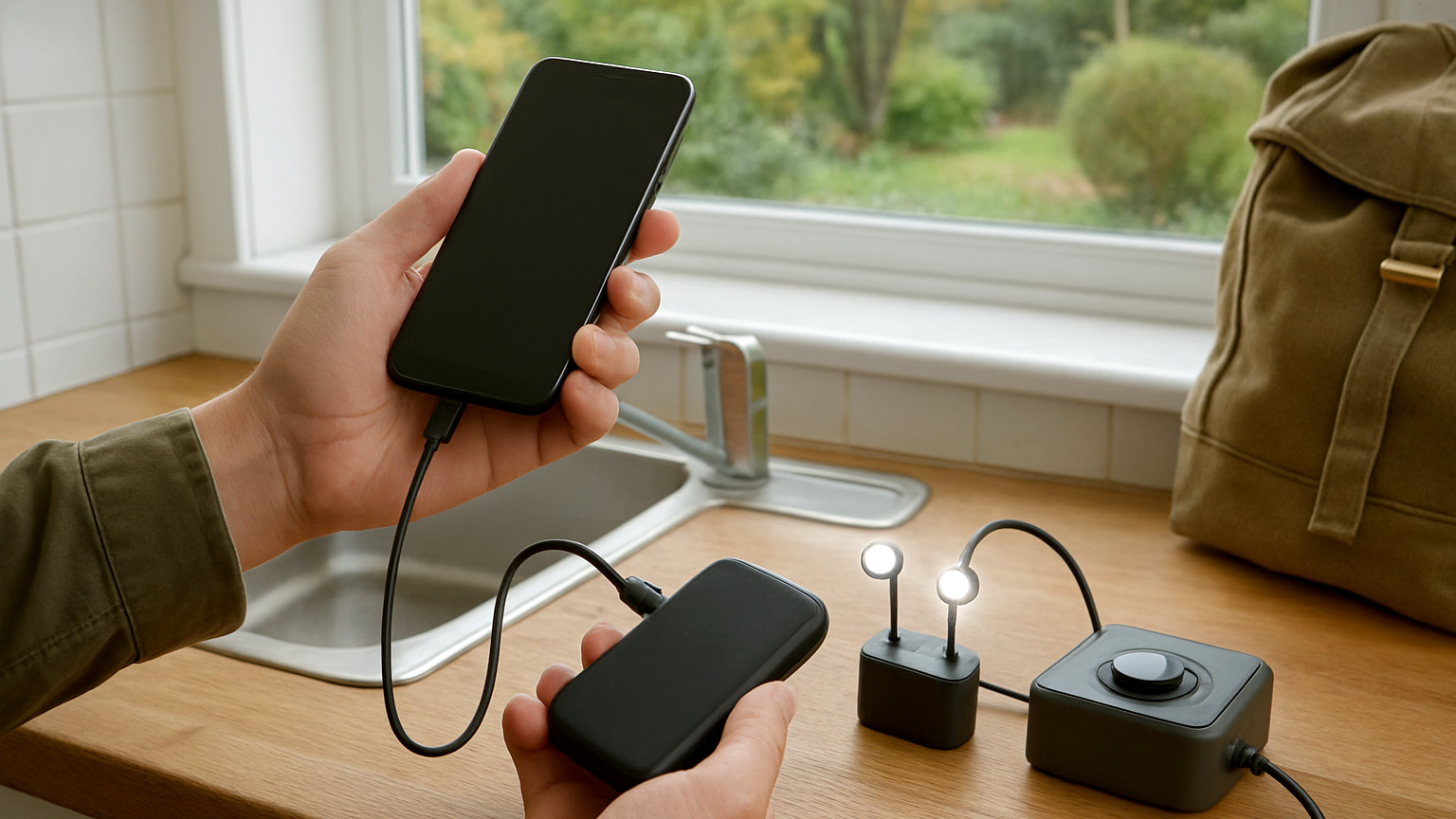
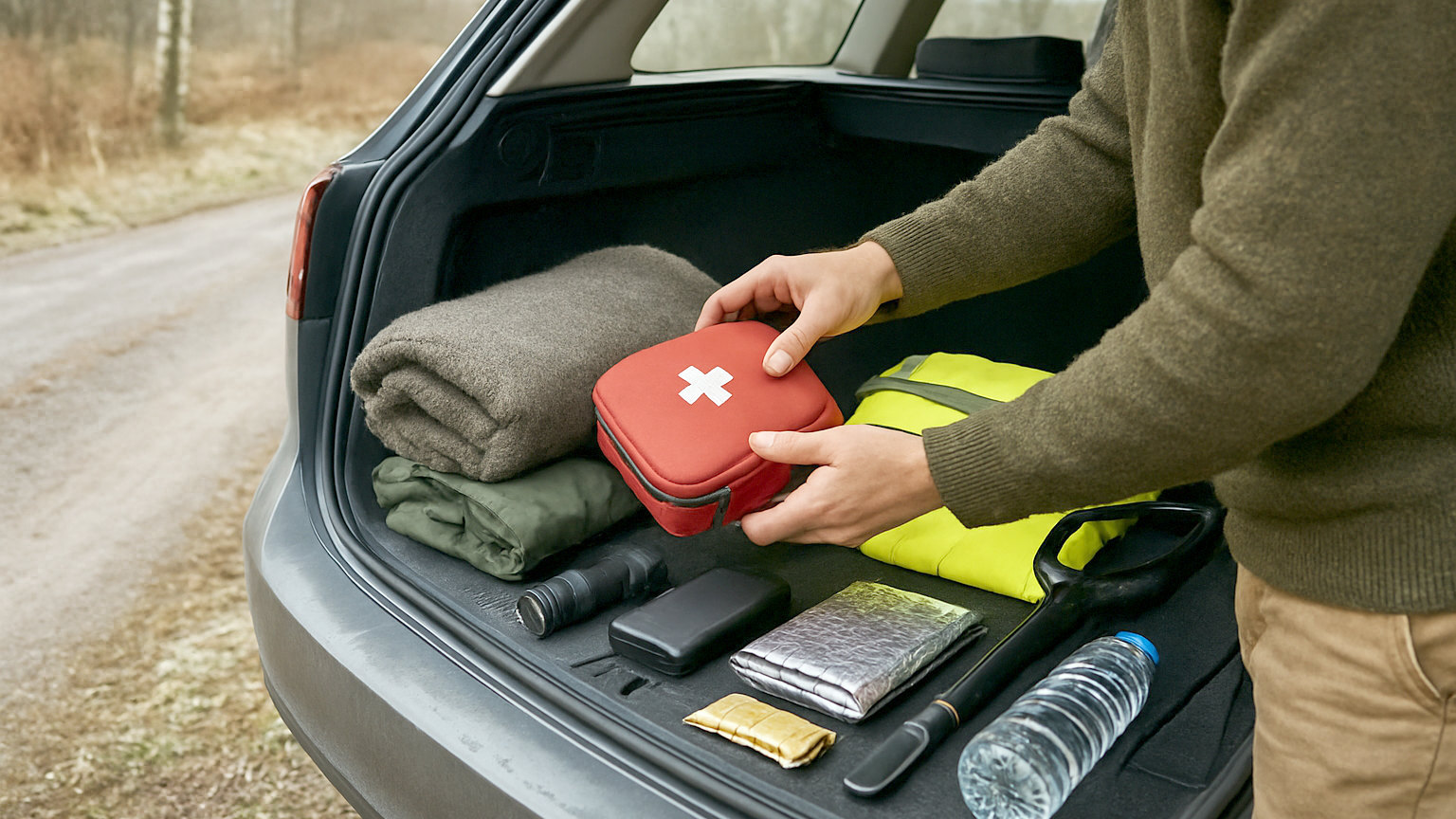
A high visibility jacket for each occupant, kept in the cabin rather than the boot so you can put it on before getting out. A warning triangle. A torch with spare batteries. A first aid kit. A phone charger and a power bank. Water and some long life snacks. A basic tool kit and jump leads or a lithium jump pack. A pair of sturdy shoes and a warm layer, which matter enormously if you are dressed for the office.
What should be added in winter?
Warmth and traction. A proper blanket or a sleeping bag, hat and gloves, an ice scraper and de-icer, a small shovel, and something for grip under the wheels such as a piece of carpet or a traction mat. Extra food and water, since winter delays are longer. A candle in a tin and matches provide meaningful warmth in a car with the engine off, though ventilation is still needed.
- Hi vis jackets in the cabin, not the boot
- Warning triangle, torch and first aid kit
- Phone charger, power bank and a paper map
- Water, long life snacks and a warm layer
- Jump leads or a jump pack, and a tyre inflator
- Winter: blanket, shovel, scraper, traction aid, hat and gloves
Why does the hi vis go in the cabin?
Because you need it before you open the boot. On a motorway or an unlit road, the moment of greatest danger is stepping out of the vehicle, and walking to the back in dark clothing to fetch a jacket defeats the purpose. Keep one per occupant in a door pocket or under a seat where they can be put on while still inside.
What should you do if you are stranded?
Stay with the vehicle in most circumstances, since it is shelter, it is visible, and it is what rescuers will be looking for. On a motorway, get out and behind the barrier rather than remaining in the car, which is the one significant exception. Otherwise, run the engine sparingly for heat rather than continuously, and check the exhaust is clear of snow, since a blocked exhaust fills the cabin with carbon monoxide.
How much fuel should you keep in the tank?
More than you think, particularly in winter. Keeping the tank above a quarter means you can run the engine intermittently for heat during a long delay, and it removes the risk of being unable to refuel during a disruption when stations lose power. Electric vehicles benefit from the same discipline, and cabin heating is more efficient in an electric car when stationary.
What about a paper map?
Worth having, because diversions during closures frequently route traffic onto roads a satellite navigation system handles badly, and mobile coverage is poor in exactly the rural areas you get diverted through. A road atlas in the boot costs very little and has resolved a great many long detours that would otherwise have involved driving in hope.
Does it differ for long journeys?
Only in quantity. For a long winter drive, add more water, more food, a fuller flask and warmer layers, and tell someone your route and expected arrival. The kit is the same, scaled to the likelihood of being stuck somewhere remote for longer, and the habit of leaving word applies to driving as much as walking.
Does an electric vehicle change anything?
A little. Cabin heating in a stationary electric car is more efficient than idling a petrol engine and produces no exhaust, so there is no carbon monoxide risk and no blocked exhaust to worry about in snow. The trade off is range anxiety during a long delay, so the same discipline applies in reverse: keep the charge reasonably high in winter, and know that heating a cabin overnight will consume a meaningful share of it.
Hi vis in the cabin, a blanket and a shovel in winter, the tank above a quarter, and stay with the vehicle unless you are on a motorway.