Preparedness marketing tends to present a kit as a single expensive purchase, which puts people off entirely. Built incrementally from ordinary shops, the same kit costs very little and is complete within a couple of months.
What should you buy first?
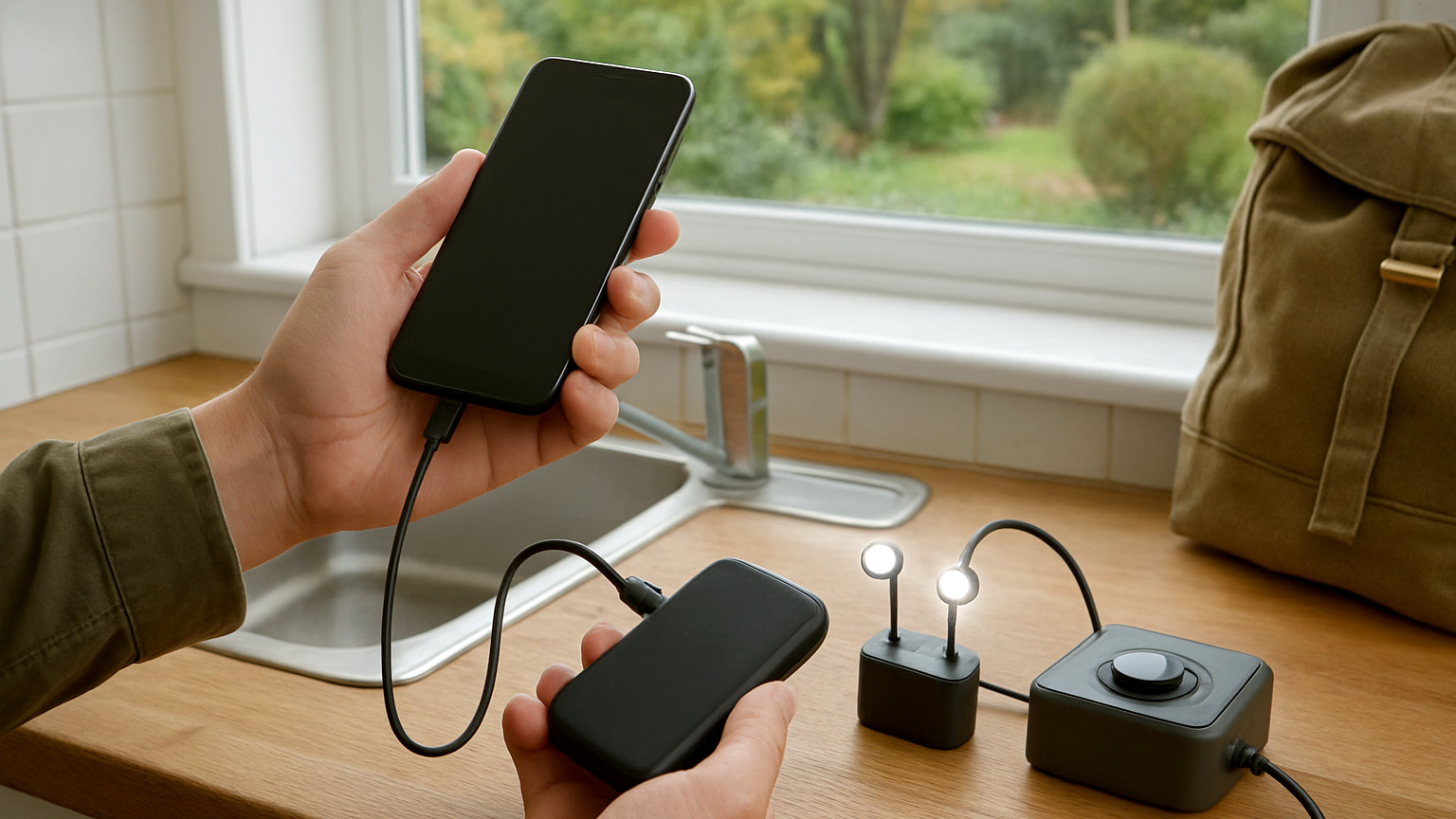
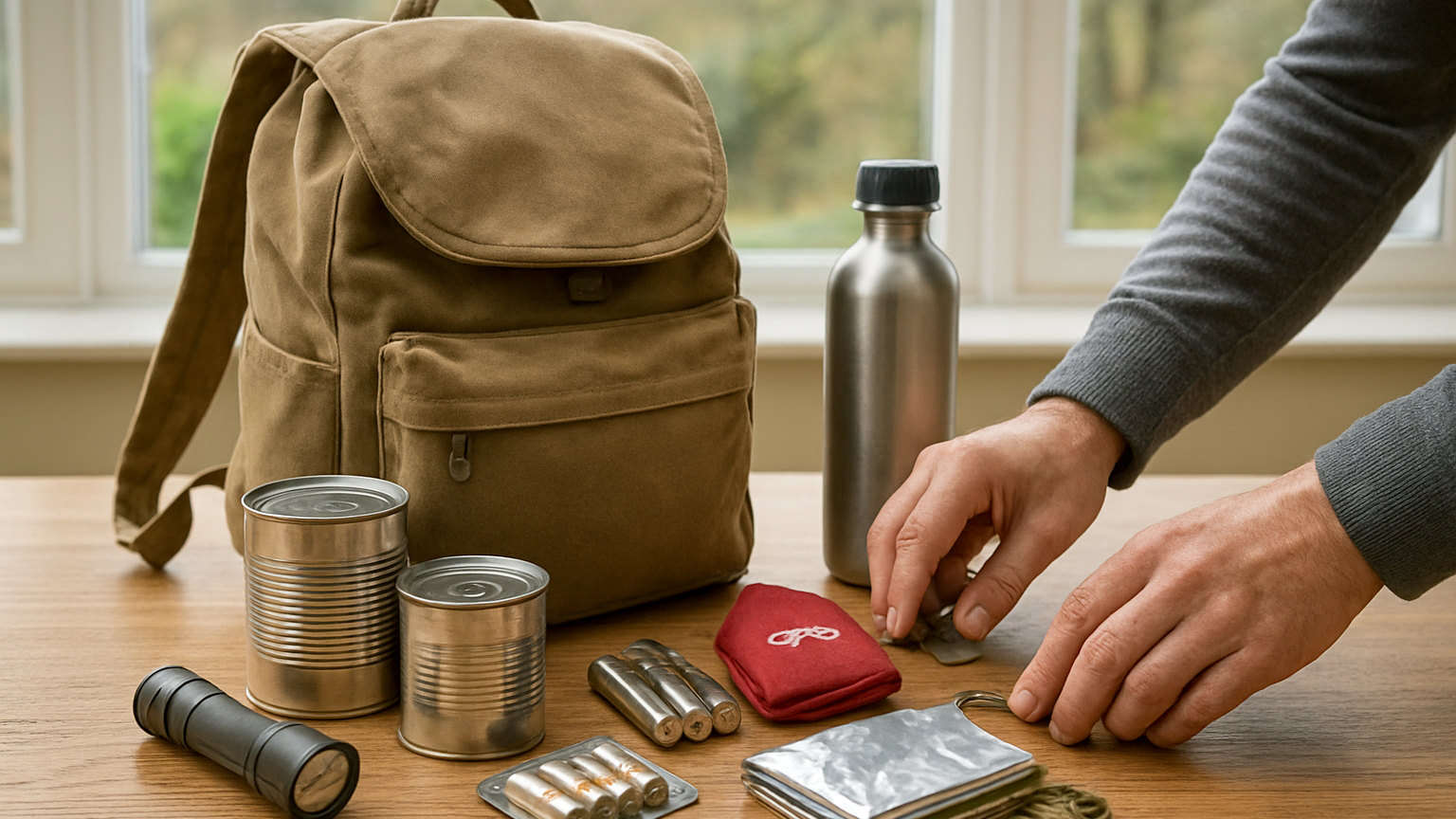
In order of value: a torch, some extra tins, a few large bottles of water, and some cash set aside. Those four cost very little and cover the most likely disruption immediately. A battery or wind up radio and a power bank follow. Everything after that is refinement, and a household with the first four is already better prepared than most of the street.
How do you spread the cost?
By adding one or two items to each weekly shop rather than making a special purchase. A pack of batteries this week, four extra tins next week, a torch the week after. Over eight or ten weeks the kit assembles itself at a few pounds a time, which is far easier to absorb than a single order and produces exactly the same result.
- Torch, extra tins, bottled water and some cash, first
- Add one or two items to each normal shop
- Own brand food, batteries and dressings are fine
- Spend on the radio, the power bank and the head torches
- Buy water and tins on offer and rotate normally
- Check pound shops for torches, tape, gloves and basics
Where is own brand perfectly adequate?
Most of it. Tinned food, dried staples, bottled water, plasters, bandages, gloves and tape are all commodity items where the branded version offers nothing meaningful. Supermarket own brand batteries are generally fine for routine use, though lithium cells from a reputable maker are worth it for anything stored long term. Discount shops are good for torches, tape, gloves and basic first aid consumables.
What is worth spending more on?
A small number of things. Head torches, because cheap ones fail and a decent one lasts years. A wind up radio with a USB output, since it covers information, light and charging in one item. A power bank of reasonable capacity from a known brand, because cheap ones hold far less than claimed and degrade quickly. Everything else can be economised on without much consequence.
What can you use that you already own?
More than you think. Camping equipment covers stoves, lanterns, sleeping bags and water carriers. Old rucksacks make grab bags. Spare blankets and clothing need no purchase at all. Empty two litre bottles can be filled with tap water for flushing and washing. Auditing what you already have usually removes a third of the shopping list before you spend anything.
How do you avoid wasting money?
By ignoring the specialist market until the basics are covered. Survival branded products carry a substantial premium for ordinary items, ration packs cost many times the price of tins for food nobody will eat, and boxed kits contain low quality versions of things you would replace anyway. Buy ordinary goods from ordinary shops and the whole exercise becomes affordable.
What if money is genuinely tight?
Focus on the free and near free. Filling old bottles with tap water costs nothing. Writing the household plan costs nothing. Registering for the Priority Services Register costs nothing. Knowing where the stopcock is, agreeing meeting points and exchanging numbers with neighbours all cost nothing and deliver a large share of the benefit. The kit matters, and the planning matters more and is free.
What is the cheapest useful thing you can do today?
Fill some bottles with tap water and put them under a bed. It costs nothing, takes ten minutes, and addresses the supply that runs out first in almost every scenario. After that, write down the household numbers on a sheet of paper, and find the stopcock. Those three actions together cost nothing at all and cover a meaningful share of what preparedness actually is, which is worth knowing if the shopping list feels out of reach.
Start with a torch and some tins, add a couple of items a week, and spend the small budget you have on the head torches and the radio.