Everything in an emergency kit decays, and none of it announces the fact. Batteries leak, food expires, adhesive dries, rubber perishes and rechargeable devices self discharge, all silently, over the years when nothing happens.
How often is enough?
Twice a year for the kit and annually for the wider plan. Tying the check to the clocks changing is the conventional approach and works because it is already a prompt in the calendar, and it coincides with the standard advice to test smoke alarm batteries. Ten to twenty minutes twice a year is the entire commitment.
What should you actually test?
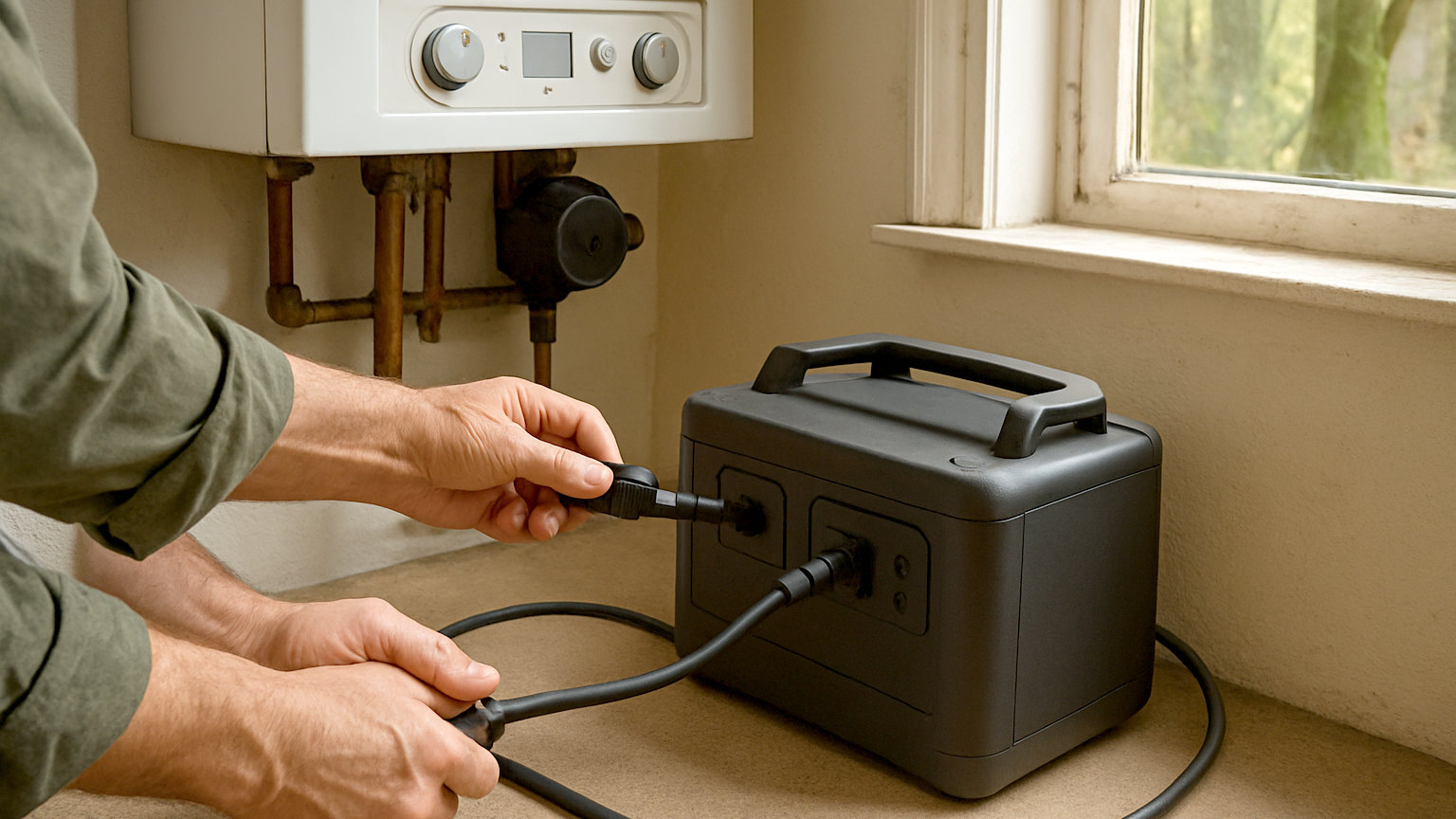
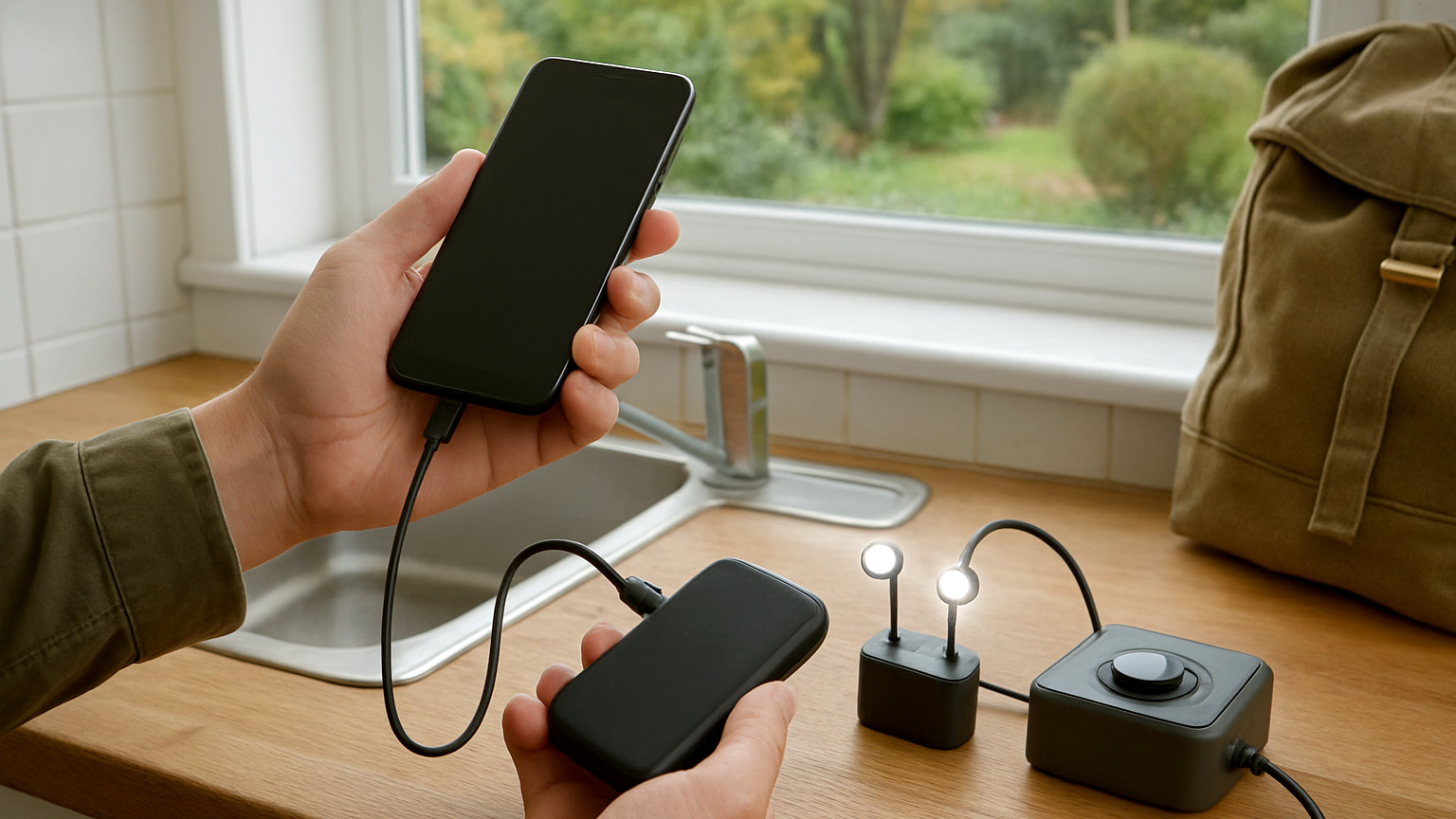
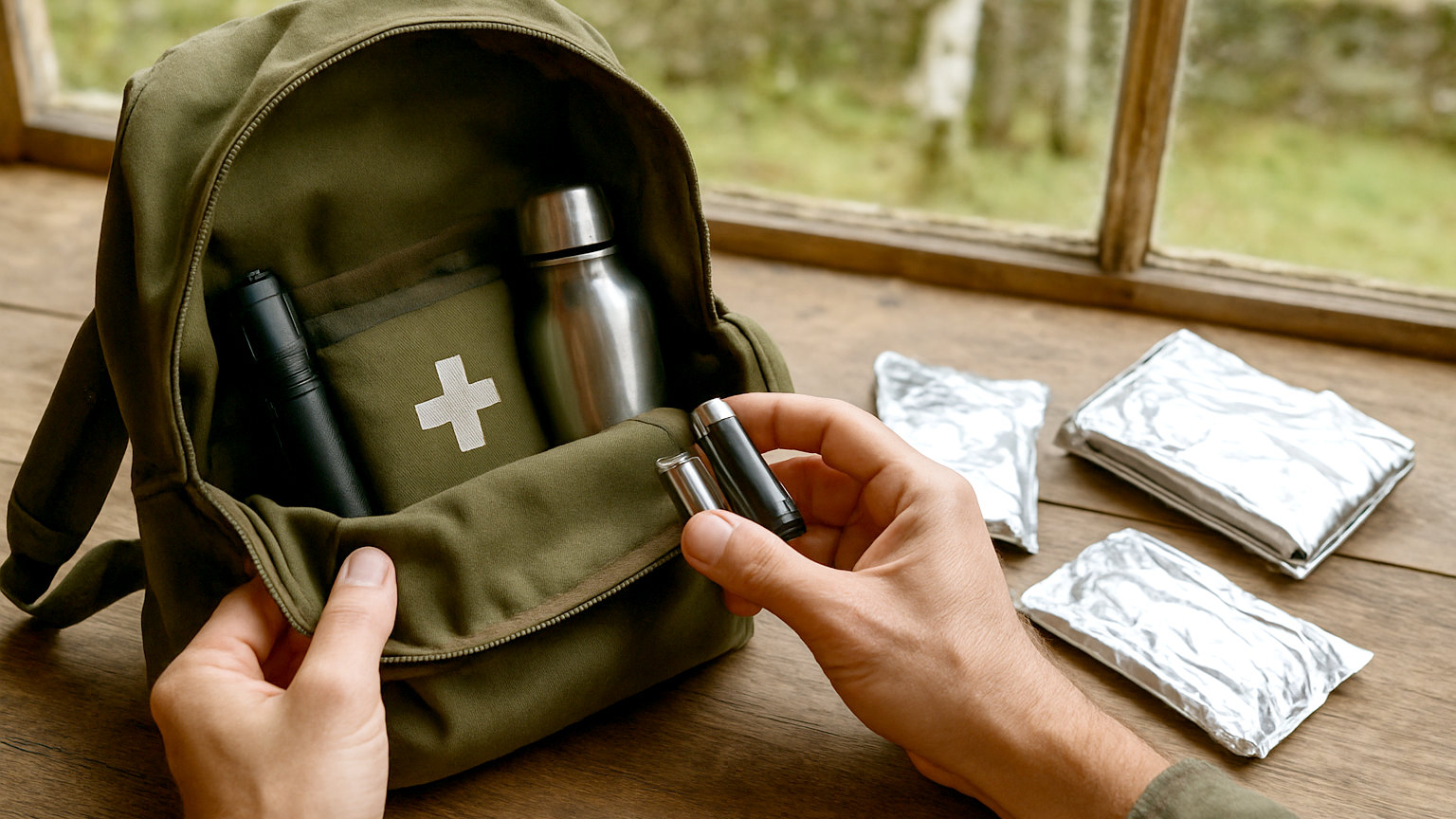
Anything with a battery or a date. Turn on every torch and lantern, tune the radio, check power banks hold charge and top them up, and confirm you have spares in the sizes you use. Check food and water dates and rotate anything approaching them. Check medicines, both prescription and over the counter. Confirm clothing in the grab bag still fits whoever it is for.
- Test every torch, lantern and radio
- Recharge power banks and rechargeable devices
- Check and rotate food, water and medicines
- Remove alkaline batteries from stored devices
- Confirm clothing still fits growing children
- Update documents, contact lists and the plan
Why does battery leakage matter so much?
Because it destroys the device as well as the battery. Alkaline cells left in a torch for years commonly leak potassium hydroxide, which corrodes contacts and ruins the unit permanently. The fix is simple: store alkaline batteries alongside devices rather than inside them, or use lithium cells, which do not leak and hold charge for a decade. This single habit prevents the most common kit failure there is.
How do you rotate food and water?
By eating and drinking it. Keep emergency food in the normal cupboard, put new purchases behind old ones, and use the oldest first. Rotate self bottled water annually and commercially bottled water every few years. A store kept separate and untouched is a store that expires unnoticed, which is why integrating it with normal consumption works far better than isolating it.
What changes with the household?
More than the dates do. Children grow out of clothing and into different needs. Medication changes. Pets arrive and leave. People move in and out. Phone numbers change and the out of area contact may have emigrated. Each check should include a quick review of whether the kit still matches the people it is for, which is the part most often skipped.
What should you do with what you remove?
Use it rather than bin it. Food approaching its date goes into normal meals. Older batteries go into remote controls and toys. Water waters the garden. Clothing that no longer fits goes to a charity shop. Treating rotation as recycling rather than waste removes the reluctance that otherwise causes people to leave expired items in place.
How do you make it actually happen?
Automate the prompt and keep the task small. Set a recurring calendar reminder rather than relying on remembering. Keep a checklist inside the lid of the kit box so the process takes minutes rather than requiring thought. Note the date of each check on the box, so it is immediately obvious how long it has been.
What else is worth checking at the same time?
The things that protect you rather than supply you. Test smoke alarms and carbon monoxide detectors and replace their batteries. Check the fire extinguisher or blanket if you have one. Confirm the loft hatch, stopcock and consumer unit are still accessible rather than buried behind stored belongings. Bundling these into the same twenty minutes means the whole household safety picture gets reviewed twice a year rather than never.
Should you keep a record?
A short one, taped inside the lid, listing what is in the box and the date of the last check. It removes the need to unpack everything to remember what you have, it makes the next review faster, and it shows at a glance how long it has been since anyone looked. Noting anything you replaced also builds a picture over a few years of which items keep failing, which tells you where to switch to better quality or a different battery chemistry.
Twice a year, tied to the clocks, batteries stored outside devices, and food rotated through the normal cupboard.