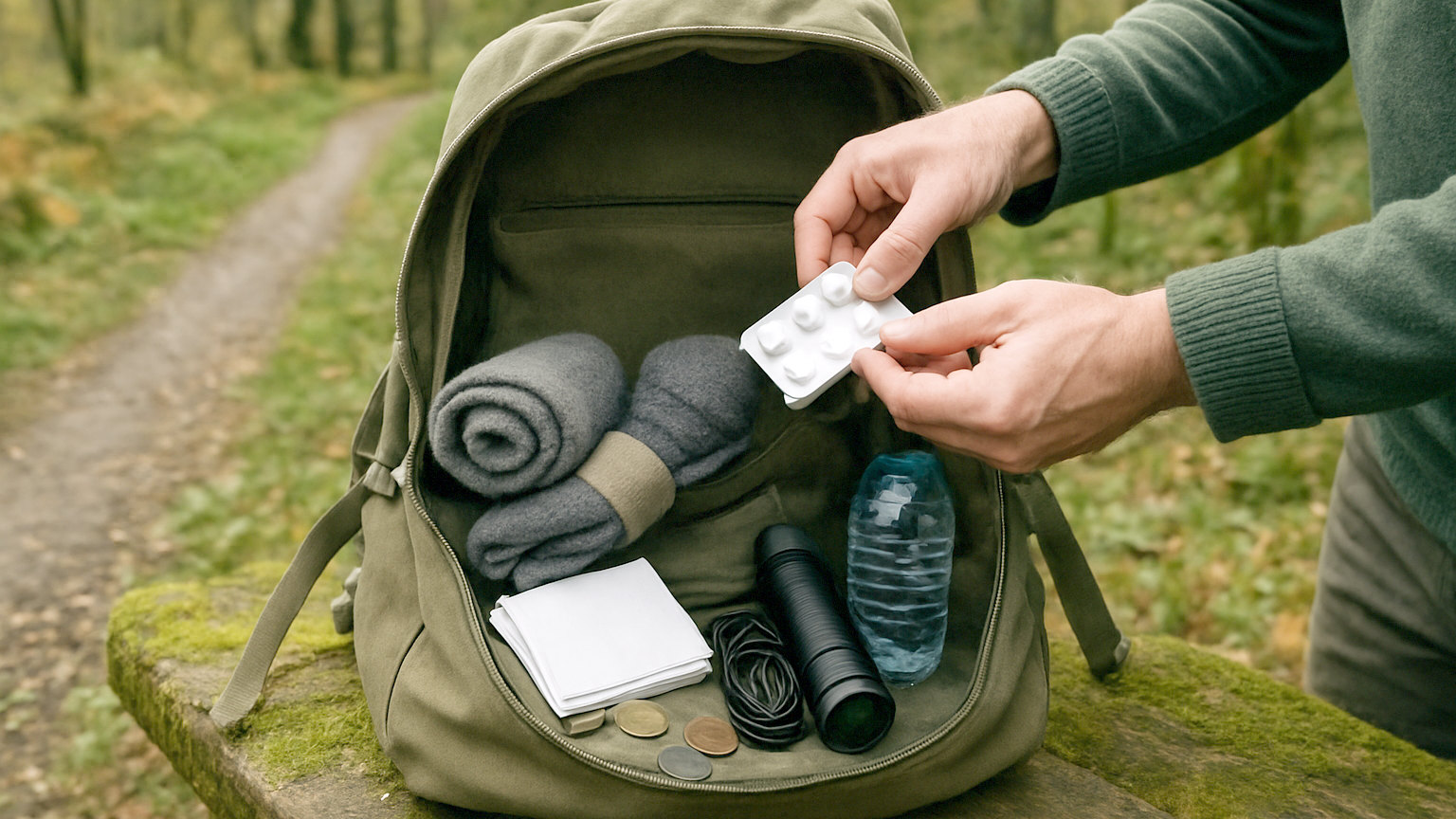
The contents of a grab bag are unremarkable, which is the point. Almost everything in it is ordinary, and the value comes from having it in one place rather than scattered around a house you may not be able to re-enter.
What cannot be replaced?
Start here, because these items determine the value of the bag. Prescription medication, ideally several days worth plus a written list of what everyone takes. Spare glasses or contact lenses. Hearing aid batteries. Copies of key documents. A specific comforter for a small child. These are the things a rest centre, a hotel or a shop cannot supply, and everything else is comparatively easy to obtain.
What are the practical essentials?
A phone charger, cable and a charged power bank. Cash in small denominations. A torch or head torch. A change of underwear, socks and a warm layer for each person. Basic toiletries and any sanitary products. A water bottle and a couple of days of snacks. A small first aid kit. Wet wipes and hand sanitiser, which cover a great deal when washing facilities are limited.
- Prescription medication and a written medication list
- Copies of documents and a memory stick
- Cash in small notes and coins
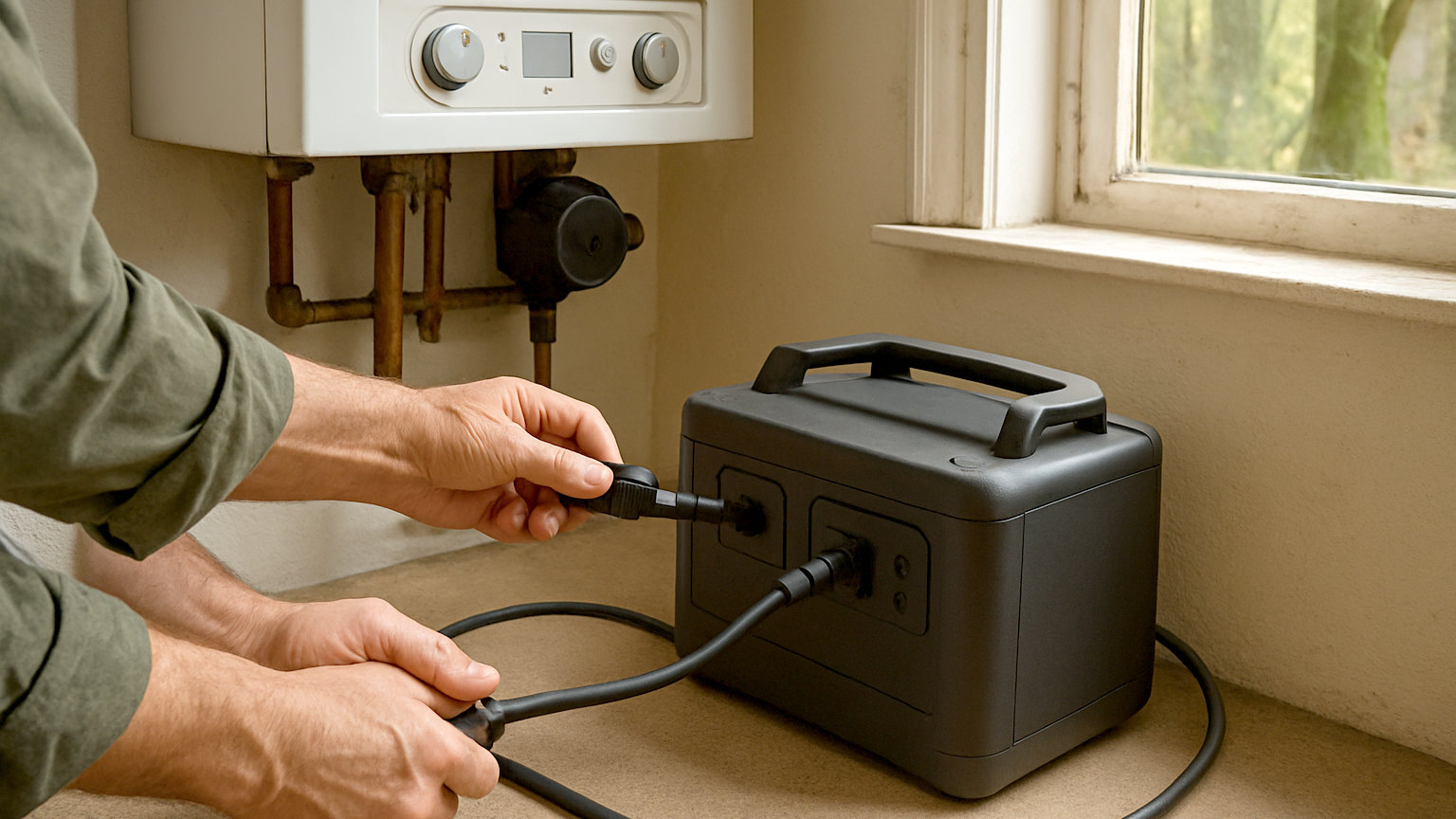
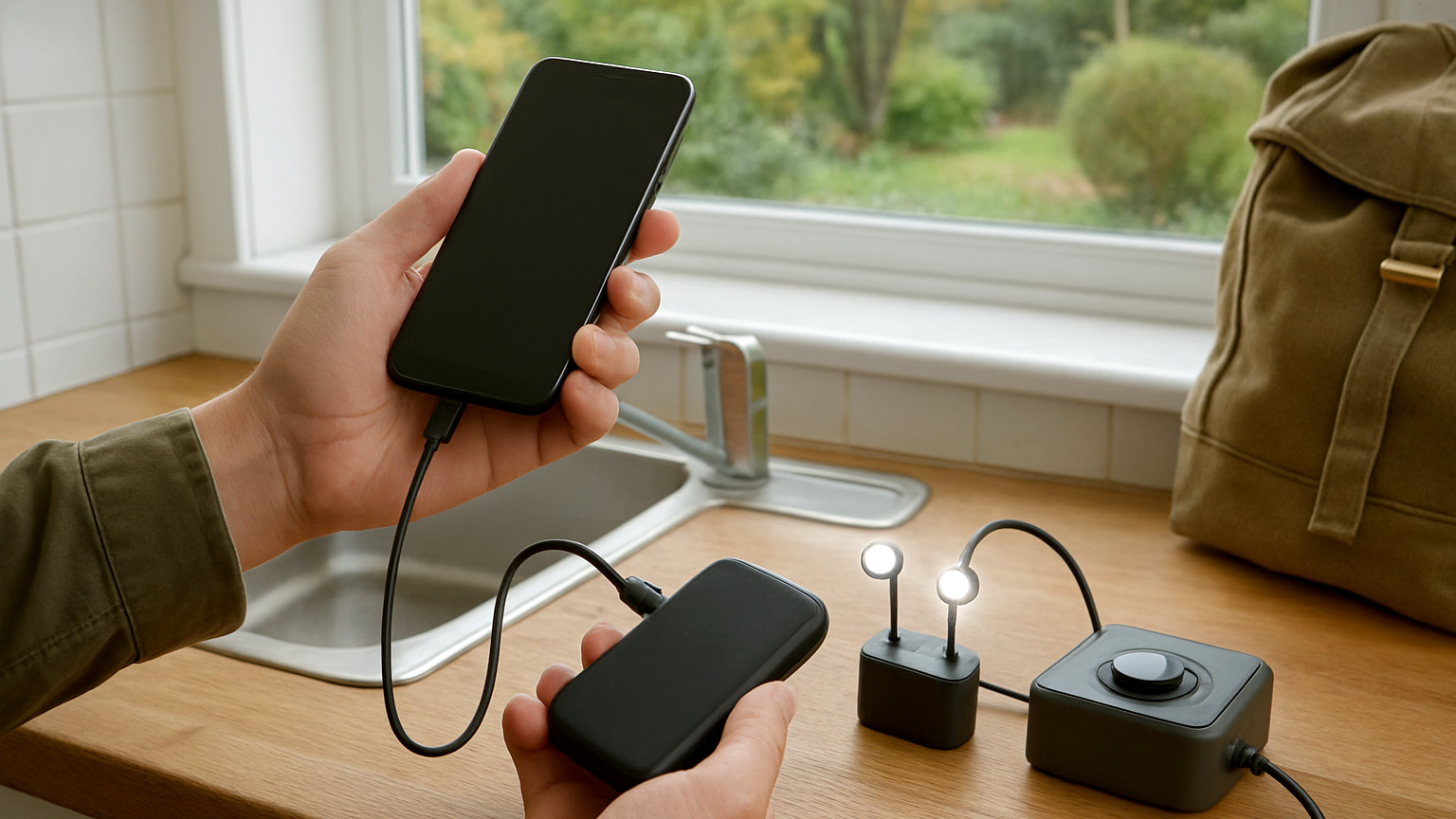
- Phone charger, cable and charged power bank
- Change of underwear, socks and a warm layer
- Torch, water bottle, snacks and wet wipes
- Comfort items, particularly for children
Why do comfort items matter?
Because seventy two hours in a leisure centre with a hundred strangers is difficult, and small familiar things make it considerably less so. A book, headphones, a pack of cards, a favourite snack and a childs specific toy all earn their weight. Households consistently report afterwards that they wished they had brought something to do and something familiar to eat.
What about food?
A modest amount rather than a stockpile. Rest centres provide food, hotels have shops nearby, and relatives have kitchens. Pack a couple of days of snacks that need no preparation, chosen because people will actually eat them, plus anything required by an allergy or a restricted diet. Long life bars, nuts, dried fruit and biscuits all work and survive being carried.
How much water should you carry?
A bottle each rather than a supply, because water is heavy and generally available where you are going. A litre per person is a reasonable compromise between weight and usefulness. If your realistic scenario involves a long walk or a rural area, increase it, and consider a small filter bottle. For an urban evacuation to a rest centre, a bottle is plenty.
What clothing is worth including?
Enough for two days, chosen for warmth and practicality rather than appearance. Underwear, socks, a warm mid layer, a waterproof and sturdy shoes. Socks in particular are worth doubling up, since wet feet make everything worse. Keep a set of outdoor shoes and a coat near the bag rather than inside it, since they take up disproportionate space.
What should you deliberately leave out?
Anything heavy that duplicates what your destination will provide, and anything you have included because it looked appropriate rather than because you would use it. Large knives, multiple fire lighting methods, tents and cooking equipment all belong in a camping bag rather than a grab bag, unless your specific plan genuinely involves sleeping outdoors.
What do people wish they had brought?
Households who have actually been evacuated report a consistent list, and it is not equipment. Phone chargers, because everyone assumes someone else has one. More cash. Spare glasses. Something to do during many hours of waiting. Earplugs and an eye mask, because rest centres are bright and noisy all night. A towel. Slippers or indoor shoes. None of these appear on standard packing lists and all of them weigh very little.
How do you handle prescription medication?
By rotating rather than hoarding. Keep several days supply in the bag and exchange it for newer stock each time a repeat prescription is collected, so nothing expires and no extra prescribing is required. Include the written list of what everyone takes with doses and the prescribing surgery, because a pharmacist or a doctor at a rest centre can act on that far faster than on someone trying to remember the name of a tablet.
Pack the irreplaceable first, add practical basics, include something familiar for each person, and leave the camping equipment behind.