The two bags sound similar and solve opposite problems. A grab bag supports you after leaving home. A get home bag supports the journey back to it, and for most working people it is the more likely of the two to be needed.
What is a get home bag for?
Covering the journey home when normal transport fails. Rail disruption, a motorway closure, severe weather, a security incident or a widespread power cut can all leave people ten or twenty miles from home with no working transport. The bag supports a walk of several hours, or a long wait, in whatever you happened to be wearing to work.
What should it contain?
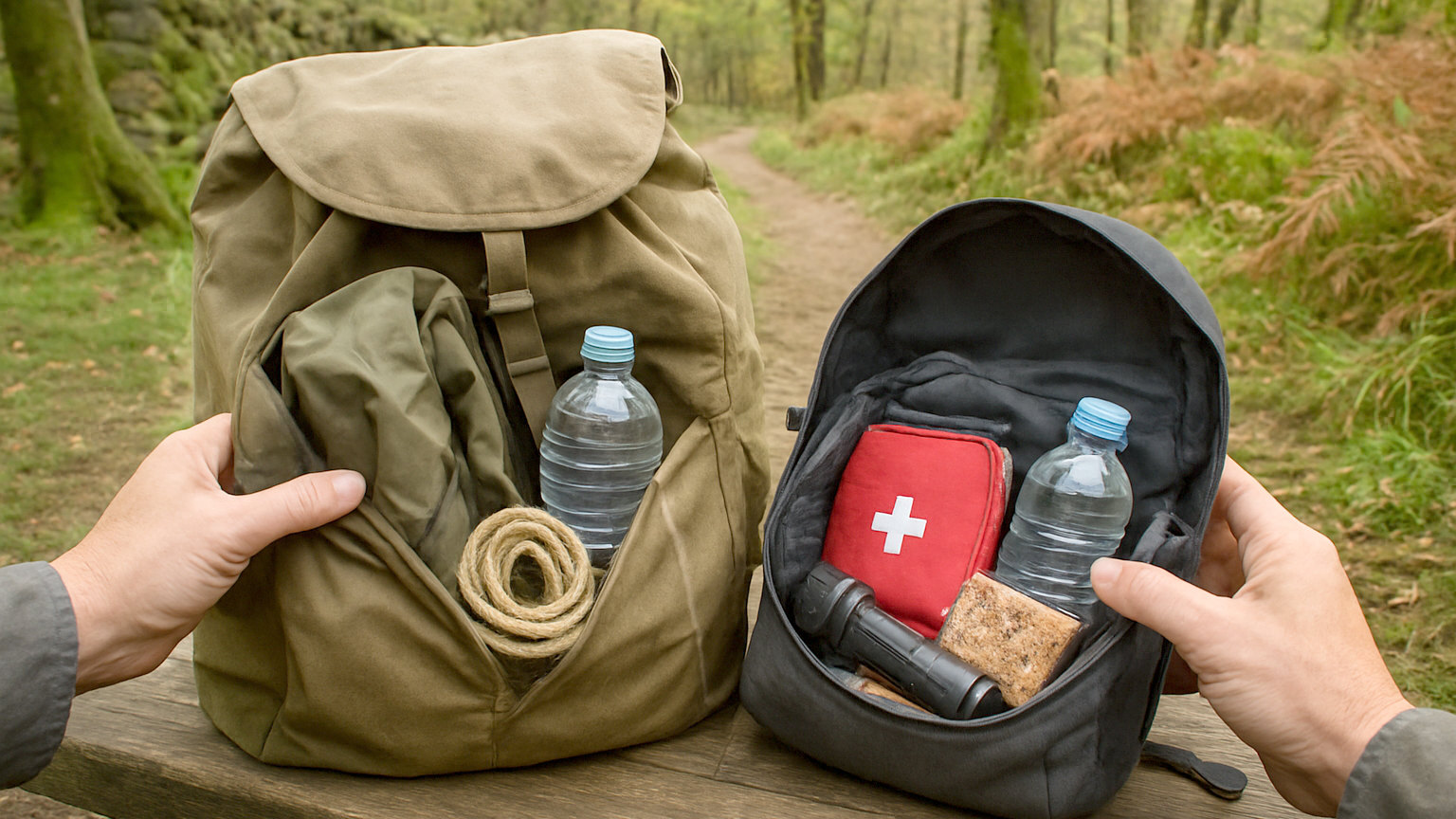
Comfortable shoes and socks, which are the single most important items if you commute in office shoes. A waterproof and a warm layer. A torch or head torch. A power bank and cable. Cash including coins. Water and some food. A paper map of the area between work and home. Basic first aid, particularly blister plasters. A hi vis item if you might walk on roads.
- Comfortable shoes and spare socks, above everything else
- Waterproof, warm layer and a hat
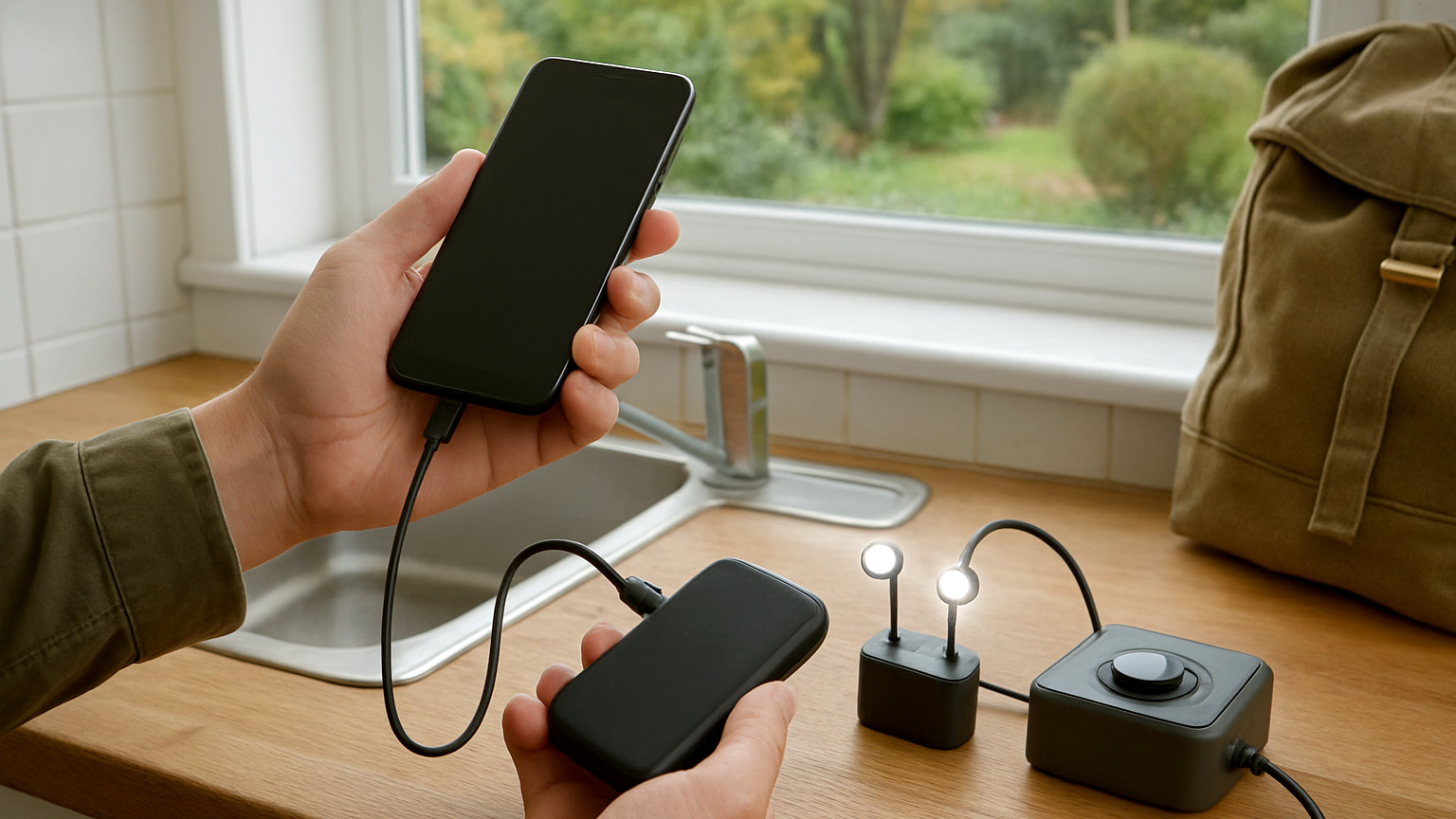
- Torch, power bank and charging cable
- Cash in small notes and coins
- Water, snacks and blister plasters
- Paper map covering the route home
Where should it live?
Where you spend your working day. Under a desk, in a locker, or in the car boot. A bag at home does nothing for a journey that starts at the office. If you drive, the car boot is the natural place, and it doubles as the vehicle emergency kit. If you commute by train, a smaller version that lives in your usual bag is more realistic than something you would have to remember to bring.
Why do the shoes matter so much?
Because walking ten miles in office shoes causes blisters within the first two, and blisters change a long walk into a genuinely difficult one. A pair of already worn in trainers and two pairs of decent socks weigh little and transform the journey. This is the item people are most grateful for and the one most often absent.
How far should it be planned for?
Your actual commute. Work out the distance home on foot and roughly how long it would take at four kilometres an hour, allowing for rests and for the fact that you would be doing it in ordinary clothing after a day at work. Ten miles is three to four hours for a reasonably fit person, longer in the dark, in bad weather or carrying anything.
Should you plan the route in advance?
Yes, and walk part of it once if you can. Roads that work in a car are frequently unpleasant or unsafe on foot, and the sensible walking route may be entirely different, using footpaths, canal towpaths and quieter streets. Knowing where you would cross a river or a motorway matters, since those crossings are limited and may be closed.
Does everyone need one?
Anyone whose commute is long enough that walking home would be a serious undertaking, which in practice means most people working more than a few miles away. Someone who works from home or walks to work needs nothing beyond ordinary sense. The case strengthens if you cross a major river, rely on a single rail line, or have anyone at home depending on you arriving.
How do the two bags relate?
They complement each other and should not be merged. The get home bag is smaller, lives away from home and supports a journey. The grab bag is larger, lives by the door and supports several days away. Building one does not remove the case for the other, and the get home bag is usually the cheaper and quicker of the two to assemble.
Keep shoes, socks, a waterproof, a power bank and cash where you work, and walk part of the route home once so you know it.