The return of power feels like the end of the problem and is worth a few minutes of attention. Several things fail quietly at this point, and one or two can be expensive.
Why restore load gradually?
Because everything switching on at once creates a surge. Across a street, hundreds of appliances, heating systems and immersion heaters restarting simultaneously can trip the supply again, and within your own house a simultaneous restart can trip a breaker. Turn things back on over several minutes rather than all at once, starting with what you need and leaving high draw items until last.
What should you switch off before it returns?
Anything that could be damaged or cause a problem if it restarts unattended. Unplug sensitive electronics during the outage, since power returning can be accompanied by voltage fluctuations. Turn off cookers, hobs and heaters that were on when the power failed, which is a genuine fire risk if the household has gone to bed and they restart hours later.
- Switch off cookers and heaters that were on when power failed
- Unplug sensitive electronics during the outage
- Restore load over several minutes rather than at once
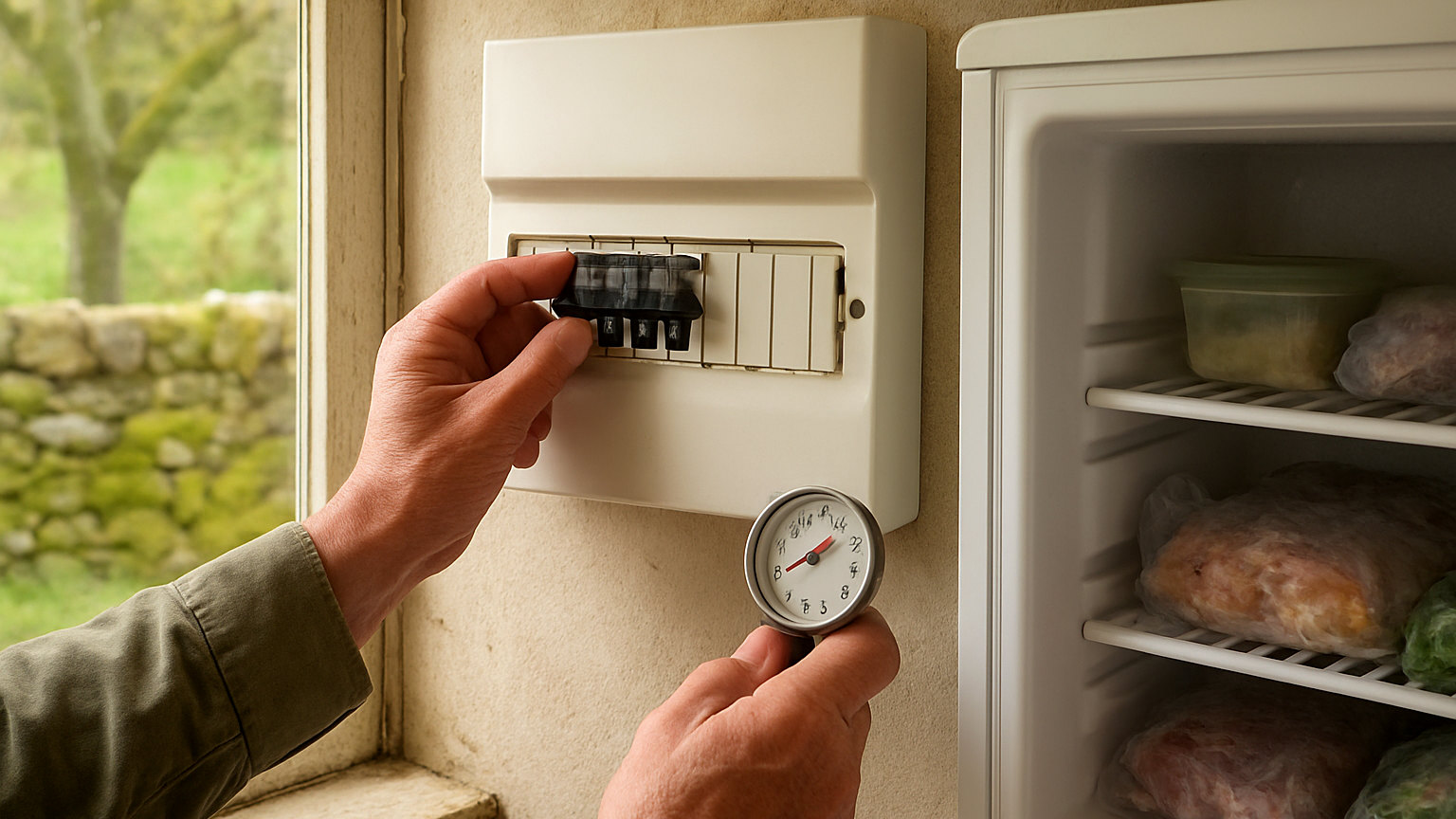
- Check freezer contents with a thermometer before deciding
- Reset clocks, timers and heating schedules
- Confirm alarms, cameras and routers reconnected properly
How do you check the freezer?
By temperature rather than appearance. Use a thermometer to check whether contents remained at or below five degrees. Frozen food still containing ice crystals and cold to the touch can generally be refrozen, with some loss of quality. Anything that has fully thawed and been warm for more than a few hours should be discarded, particularly meat, fish, dairy and cooked rice. Do not taste anything to test it.
What fails silently?
More than people expect. Alarms and cameras sometimes fail to reconnect and sit apparently working while offline. Routers occasionally need a manual restart to restore service. Boiler and heating timers frequently reset to a default schedule, so the house heats at the wrong times for weeks until someone notices. Freezers can restart in a mode that does not resume normal operation. Check each of these deliberately.
What should you reset?
Clocks and timers throughout the house, including the oven, the heating programmer, timer switches on lamps and any immersion heater timer. Check that your alarm system shows no fault and that its backup battery is recharging. Confirm cameras are recording and the doorbell is online. Restart the router if the internet has not returned within a few minutes.
Should you check on neighbours?
Yes, particularly anyone elderly, living alone or dependent on powered equipment. Power sometimes returns to part of a street and not the rest, and a household still without supply may not realise others have it back or may be reluctant to ask. This is also the natural moment to check whether anyone needs food, a hot drink or somewhere warm.
What should you record?
What you were missing and what did not work. The gaps in your preparation are never obvious until you have sat through an outage, and they are forgotten within a week. Write down the three things you wished you had, and buy them. This is the most valuable output of any power cut and it costs nothing.
Can you claim anything?
Sometimes. Electricity network operators operate guaranteed standards of performance, with payments due where supply is not restored within specified periods, and these vary for normal and severe weather conditions. Payments are often automatic and sometimes not, so contact your network operator through 105 if a long outage passes without one.
What about repeated interruptions?
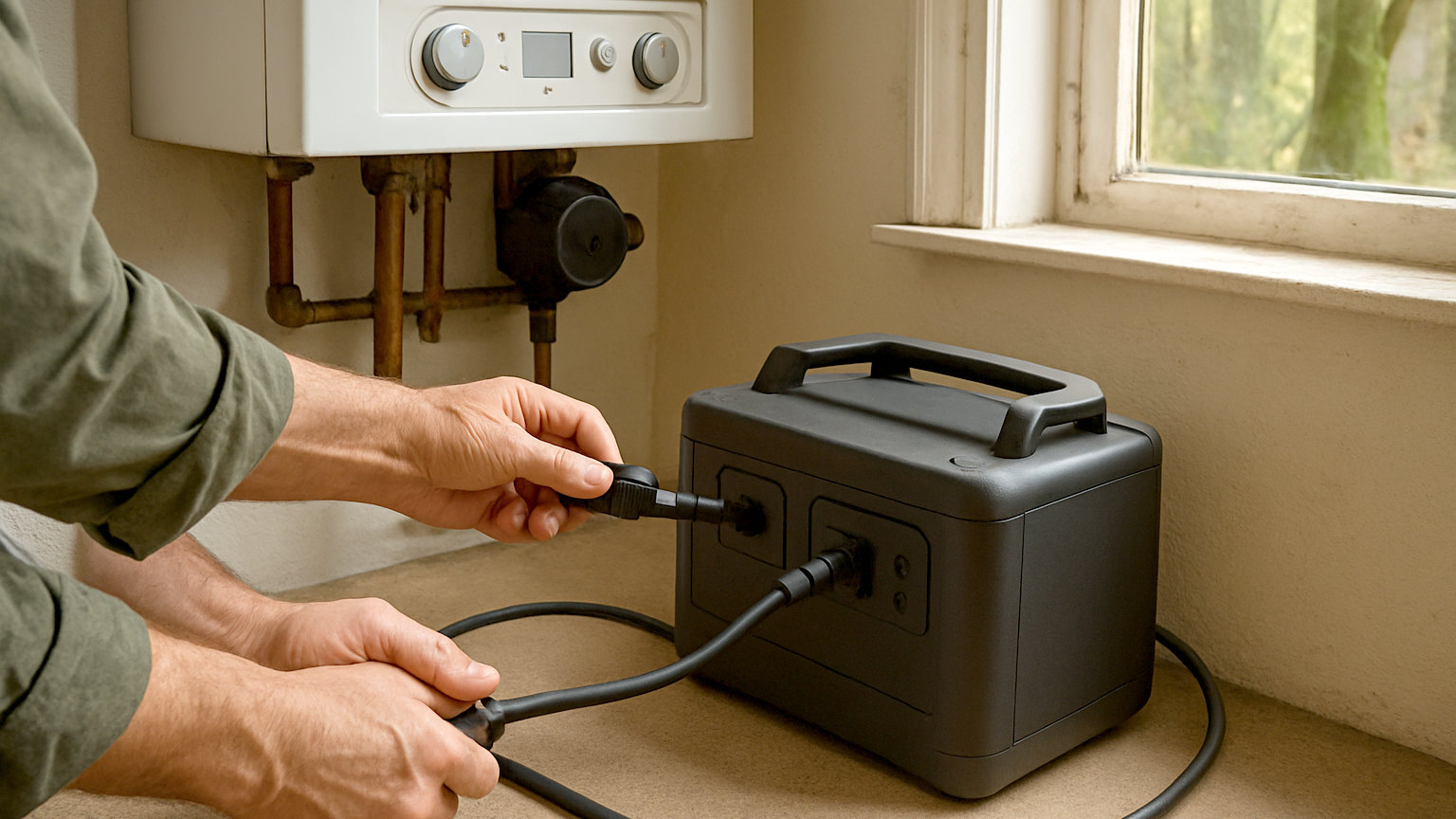
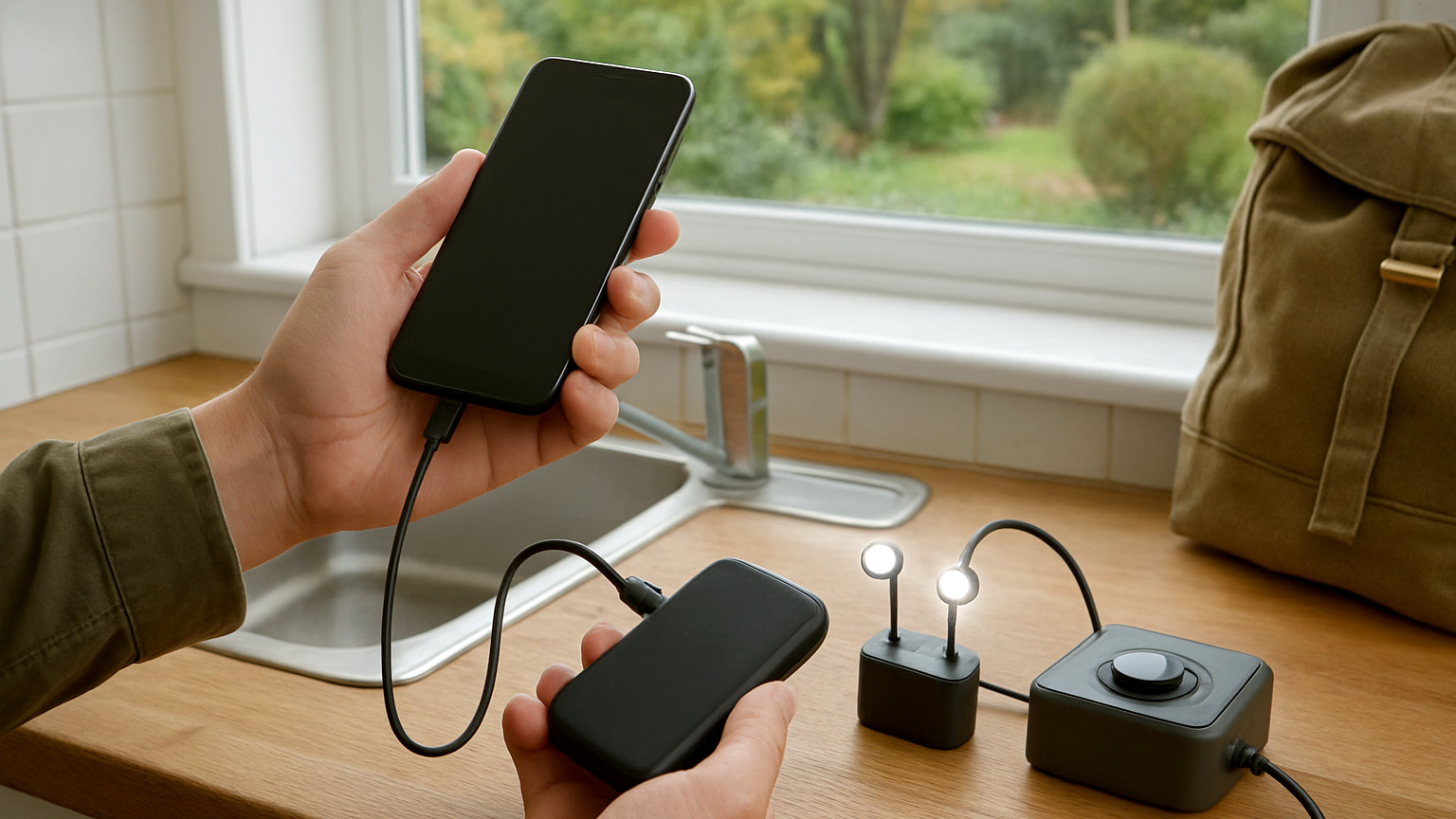
They are common during storms, as networks are restored, fail again and are restored once more. Treat each return as provisional: leave sensitive electronics unplugged for a while, and keep torches and power banks to hand rather than putting them away. Households frequently pack everything up and then hunt for it again two hours later in the dark.
Should you report anything?
Yes, if the supply is unstable rather than simply restored. Fluctuating voltage, persistent flickering, or a partial supply where some circuits work and others do not can indicate a fault on the network or in your own installation, and both are worth reporting through 105. A damaged supply can be a fire risk.
Restore load slowly, check the freezer with a thermometer, reset the timers, confirm the alarms came back, and write down what you were missing.