Households with solar panels are frequently surprised to find they have no electricity during a power cut on a sunny day. The reason is deliberate, sensible, and rarely explained at the point of sale.
Why do they shut down?
To protect engineers. A grid connected inverter monitors the incoming supply and disconnects automatically when it disappears, a function known as anti islanding. Without it, a solar system would continue exporting into the local network while engineers were working on lines they expect to be dead. This behaviour is required by the grid connection standards applying to domestic generation in Britain, and it is not optional.
What would you need instead?
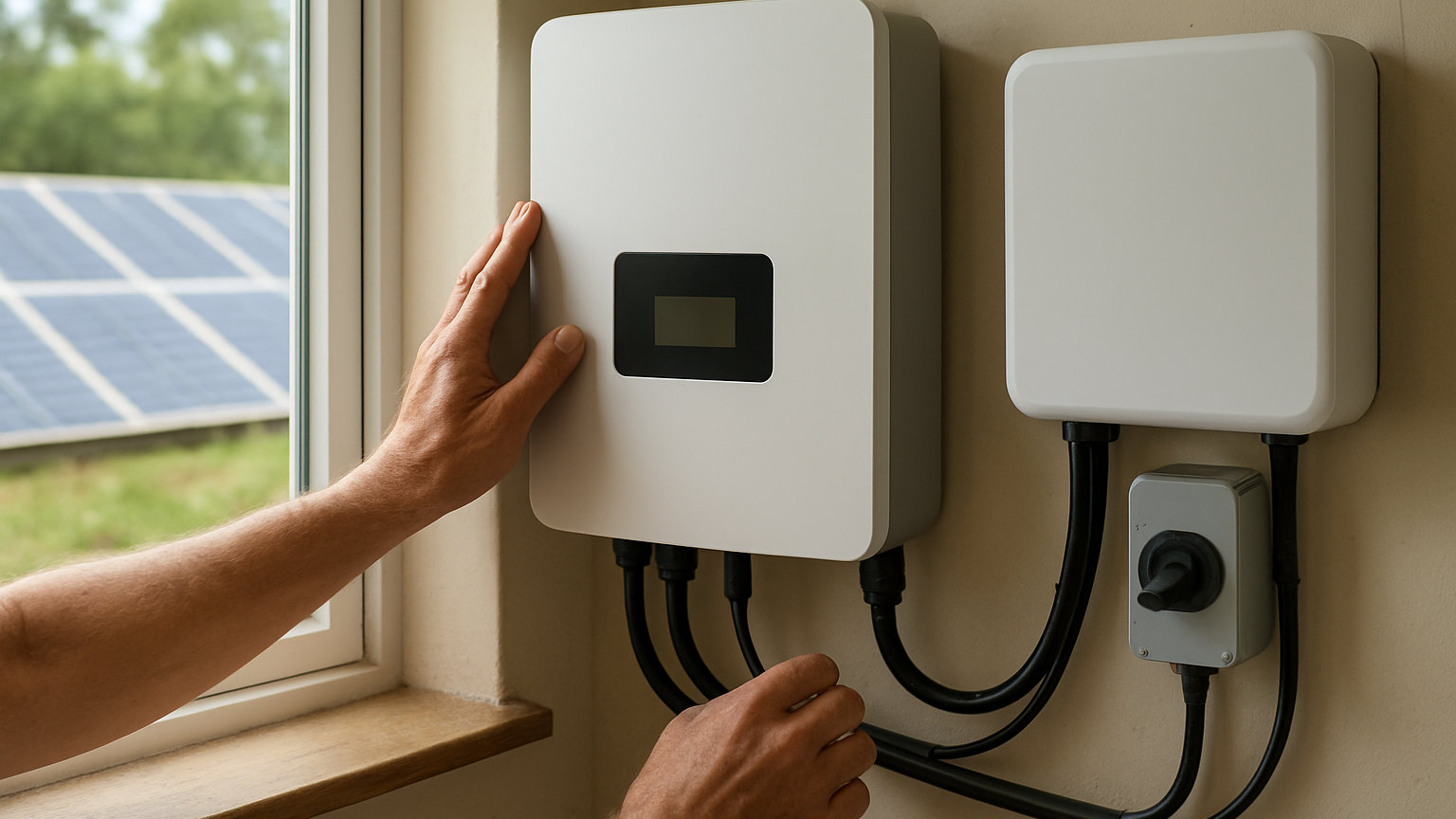
A system specifically designed to provide backup. That usually means a hybrid inverter with an emergency power supply function, paired with a battery, plus a changeover arrangement isolating your property from the network. Some hybrid inverters provide a single dedicated backup socket, while fuller installations can power selected circuits in the house. Both need to be specified at installation or retrofitted by a qualified installer.
- Standard grid tied solar shuts down when the supply fails
- Backup requires a hybrid inverter with an emergency supply function
- A battery is needed for anything beyond daylight hours
- Backup output is usually limited to selected circuits or one socket
- British winter output is modest, which limits what solar can carry
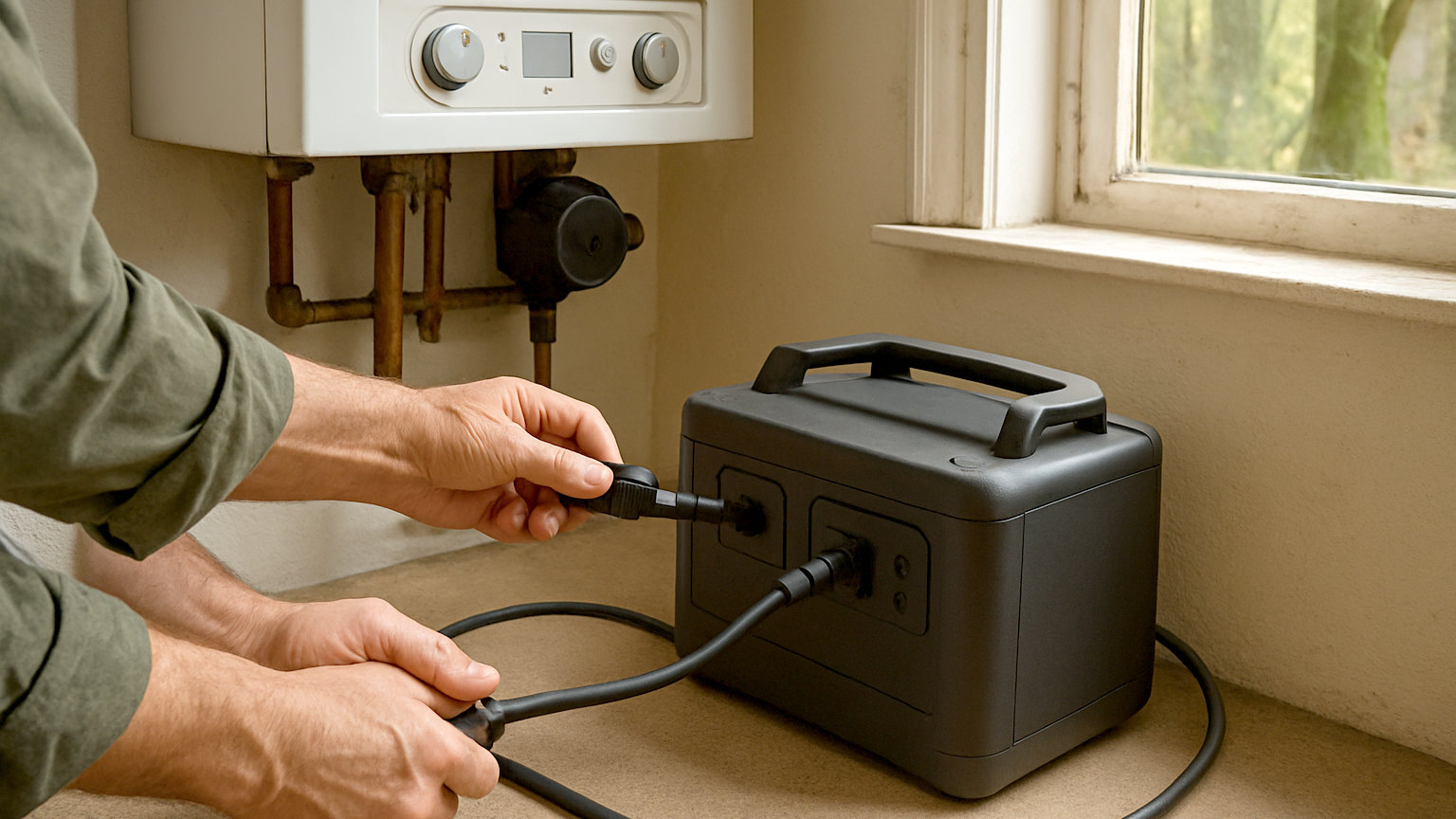
- A portable panel and power station is a far cheaper route
Does a battery solve it automatically?
Not by itself. Many domestic battery installations are configured only to store and shift energy, and they shut down with the grid exactly as the panels do. Providing backup requires the inverter to support it and the installation to include the necessary isolation. If backup matters to you, it must be specified explicitly, and it is worth asking any existing installer whether your system already has the capability.
How much can a backup system actually run?
Usually less than the full house. Backup outputs are commonly limited to a few kilowatts, enough for lights, a fridge, a boiler, a router and small appliances, and not enough for electric heating, an oven or a shower. Systems are frequently configured to supply specific essential circuits rather than everything, which is a sensible design and needs deciding at installation.
What about winter?
This is the significant British limitation. Solar output in December is a small fraction of the summer figure, and the days when you most want backup power, meaning cold dark storm affected evenings, are the days when panels contribute least. A solar and battery backup system is genuinely useful and should not be relied upon to carry a household through a multi day winter outage on generation alone.
Is portable solar worth it?
For extending a power station, yes. A folding panel of one to two hundred watts paired with a portable power station gives an effectively unlimited runtime in decent daylight, at a fraction of the cost of a fixed installation. Output drops sharply in overcast conditions and in winter, so treat it as extending the battery rather than replacing it.
What should you ask an installer?
Whether the system provides any output during a grid failure, whether the inverter has an emergency power supply function, which circuits would be supported, what the maximum backup output is, and whether adding backup later is possible. Get the answers in writing. Many households discover the limitation only during their first outage.
What is the practical takeaway?
If you have solar, check what happens in an outage rather than assuming. If you are installing, decide whether backup matters and specify it upfront, since retrofitting is more expensive. And if you simply want power during a cut, a portable power station and a folding panel achieve most of the practical benefit for a fraction of the cost.
Check whether your system has a backup function, specify it at installation if it matters, and do not count on winter generation.