Carbon monoxide is the most serious hazard associated with backup power and emergency heating. It is invisible, has no smell, and kills people in Britain every year, most often when equipment designed for outdoor use is brought indoors during a power cut.
What produces it?
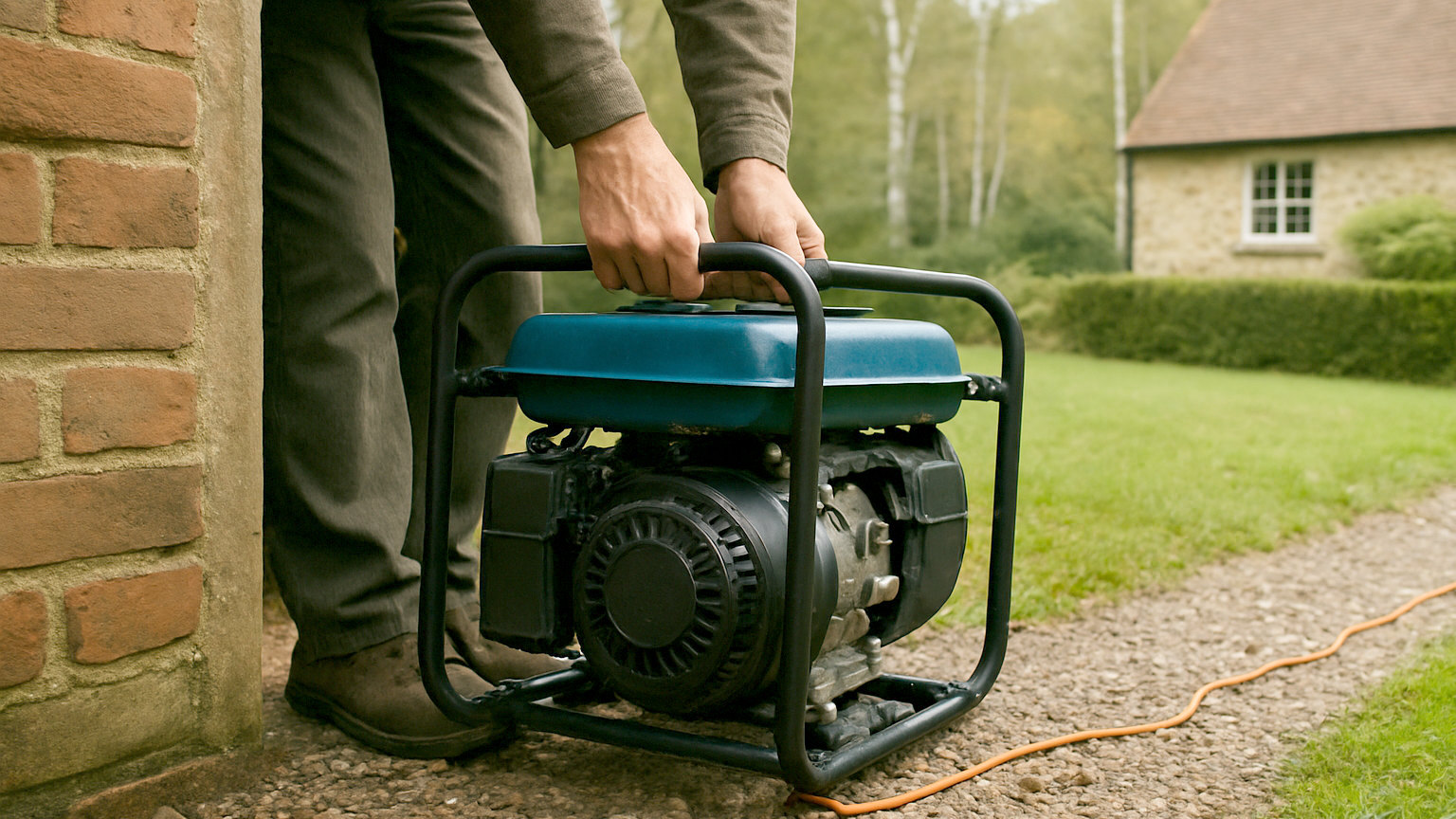
Anything burning carbon based fuel without enough oxygen for complete combustion. Petrol and diesel generators. Camping stoves and gas cookers. Barbecues, including charcoal ones that appear to have gone out. Paraffin and gas heaters. Solid fuel stoves and open fires with blocked or restricted flues. Vehicles running in garages. Every one of these has been involved in fatalities during power cuts and cold weather.
Why is it so dangerous?
Because you cannot detect it and because it disables your ability to react. Carbon monoxide binds to haemoglobin far more readily than oxygen, so the blood stops carrying oxygen while the person feels only vaguely unwell. Early symptoms resemble tiredness or flu, and confusion and drowsiness follow, which means the affected person is unlikely to recognise what is happening or act on it. People frequently fall asleep and do not wake.
- Never run a generator indoors, in a garage or near an opening
- Never bring a barbecue indoors, even one that appears cold
- Never use a patio heater or paraffin heater in an enclosed room
- Use camping stoves only with genuine ventilation, ideally outdoors
- Fit audible carbon monoxide alarms to the relevant British Standard
- Test alarms twice a year when the clocks change
What are the symptoms?
Headache is the most common and earliest, followed by dizziness, nausea, breathlessness, tiredness and confusion. Crucially, symptoms often improve when the person leaves the building and return when they go back in, which is a strong indicator. Several people or pets in the same building feeling unwell at the same time is another. Pets frequently show effects before adults, being smaller.
What should you do if you suspect it?
Get everyone outside into fresh air immediately, including pets. Do not stop to investigate the source or open windows first. Turn off the appliance if you can do so safely on the way out. Call 999 if anyone is unwell, or the National Gas Emergency line on 0800 111 999 for a suspected gas problem. Tell medical staff you suspect carbon monoxide, because it changes the treatment and requires specific testing.
Why do barbecues catch people out?
Because they continue to produce carbon monoxide long after the flames have gone and while the coals look grey and dead. People bring them into tents, caravans, garages and porches for warmth, and the deaths that result are among the most consistently reported. A used barbecue should never be brought under any cover, however cold it appears and however cold the person is.
What alarms should you fit?
Audible carbon monoxide alarms conforming to BS EN 50291, positioned in rooms containing fuel burning appliances and near sleeping areas. They are inexpensive and widely available. Check the expiry date, since sensors have a limited working life of typically seven to ten years and an old alarm may be silently non functional. Test them alongside your smoke alarms twice a year.
What about cooking during an outage?
Use a gas hob if it lights with a match and the room is ventilated, or cook outdoors. Camping stoves used indoors are a recognised risk and should be treated as an outdoor activity. Planning a day of food that needs no cooking removes the temptation entirely, which is the safest arrangement and costs nothing.
Does ventilation solve it?
Not reliably, and relying on it is how people are killed. An open window does not provide anything like the airflow needed to disperse generator exhaust, and cold weather makes people close things again without thinking. The rule is not more ventilation but the correct location, which for anything burning fuel means genuinely outdoors and well away from the building.
Nothing that burns fuel comes indoors, fit alarms to BS EN 50291, and treat a headache during an outage as a reason to go outside.