Generators are the instinctive answer to backup power and are frequently the wrong one for a British home. They solve a problem most households do not have, at a cost most do not anticipate.
What do they actually cost to own?
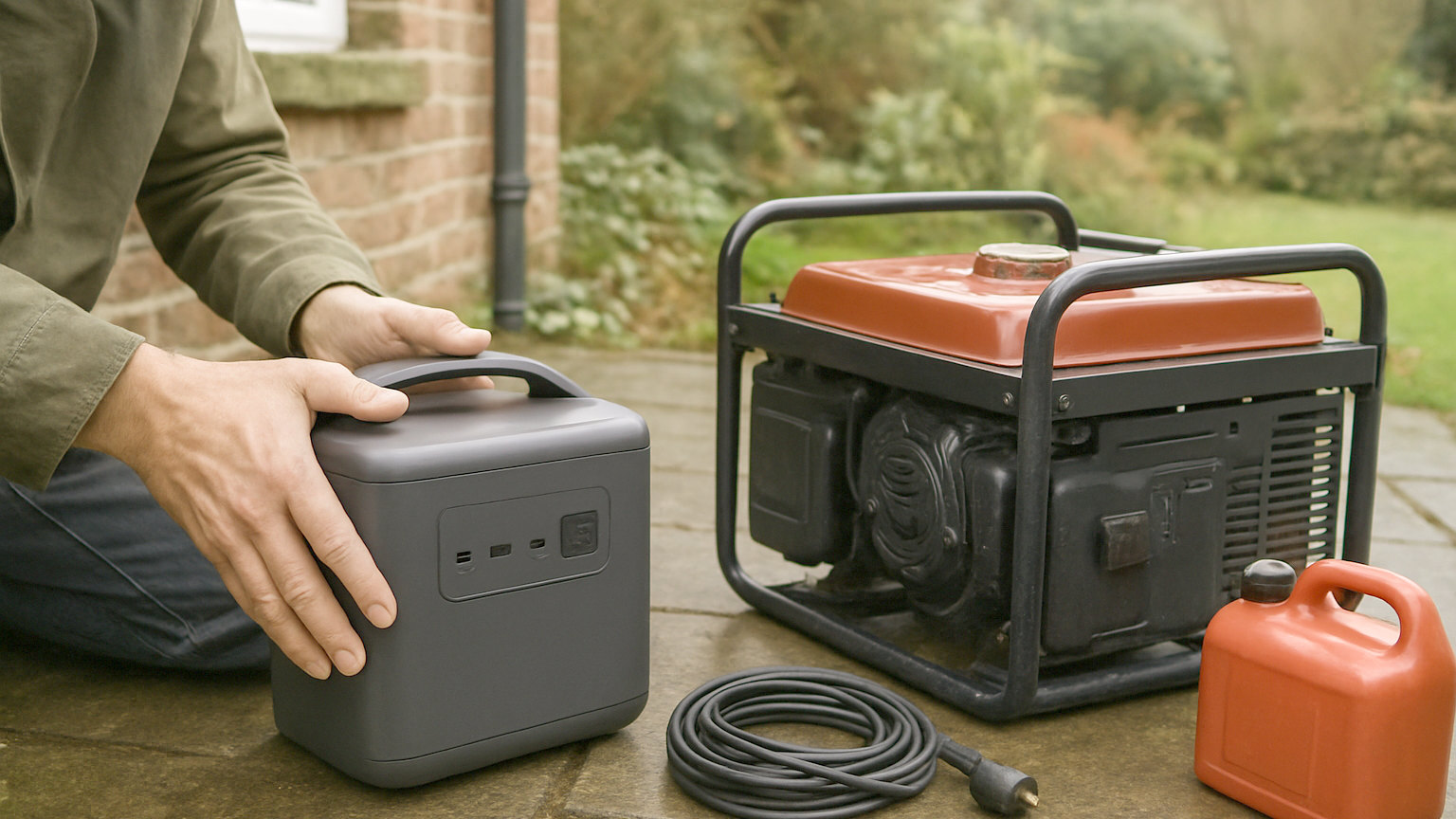
More than the purchase price suggests. Beyond the unit itself there is fuel, which degrades and must be rotated. Oil changes and servicing, since a generator that sits unused for years frequently will not start. Fuel storage containers and somewhere lawful to keep them. Heavy duty extension leads. And, if you want it to power the house rather than individual appliances, an electrician and a changeover switch.
What are the practical difficulties?
Noise, siting and starting. A conventional generator is loud enough to annoy an entire street at three in the morning, and noise nuisance complaints are a real consequence. It must run outdoors, well away from windows, doors and vents, which many properties cannot accommodate. It must be secured, since a running generator outside is both valuable and portable. And it needs starting and maintaining by someone willing to do so.
- Fuel storage is legally limited and fuel degrades
- Must run outdoors, well clear of windows, doors and vents
- Noise is a genuine nuisance issue at night
- Requires regular running and servicing to stay reliable
- Connecting to house wiring needs a professional changeover switch
- Carbon monoxide risk is severe and has killed people
When is one genuinely justified?
Where the load is large, the outages are long, or the consequences are serious. Rural properties at the end of long distribution lines that lose supply for days. Households with a private water pump or sewage system needing power. Anyone dependent on powered medical equipment beyond what a battery covers. Small businesses, farms and anyone whose livelihood stops without electricity.
What type should you choose?
An inverter generator, if you buy one. They produce clean pure sine wave output safe for electronics, run far more quietly, and throttle down under light load so they use less fuel. Conventional open frame generators are cheaper per kilowatt, noisier, and produce output that can damage sensitive equipment. For domestic use the inverter type is worth the premium.
How big does it need to be?
Smaller than most people buy. Add up what you actually intend to run, allow for the surge current of anything with a motor such as a fridge or a pump, and add a margin. Most households needing a generator at all are served by two to three kilowatts. Oversizing wastes fuel, since a lightly loaded generator runs inefficiently, and adds noise and cost.
Can you plug it into the house?
Not without proper switchgear. Connecting a generator to house wiring through a socket, sometimes called backfeeding, energises your incoming supply and can electrocute engineers working on the network. It is dangerous and unlawful. The correct arrangement is a changeover switch or transfer switch installed by a qualified electrician, which isolates the property from the network before the generator connects.
What is the alternative?
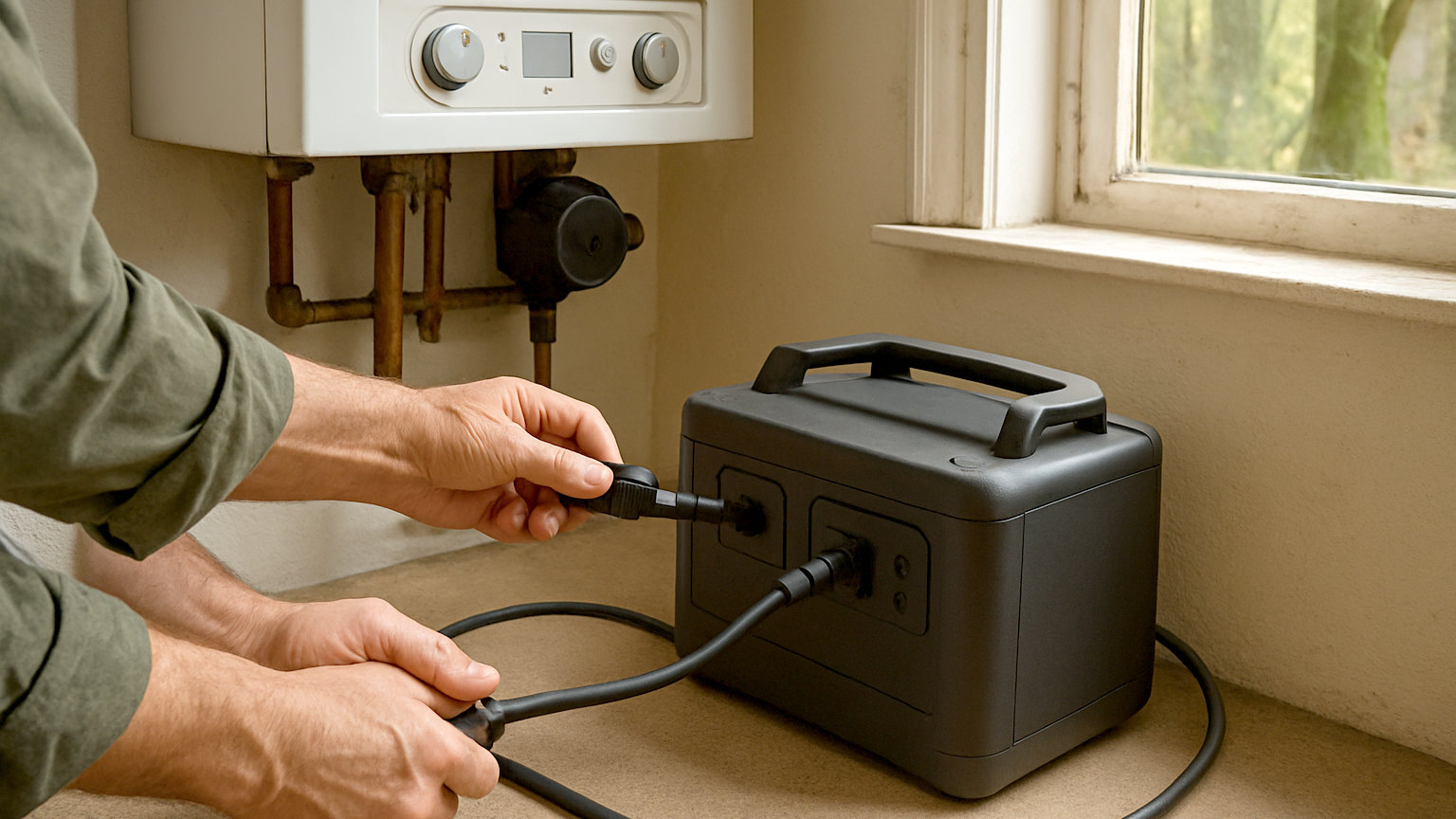
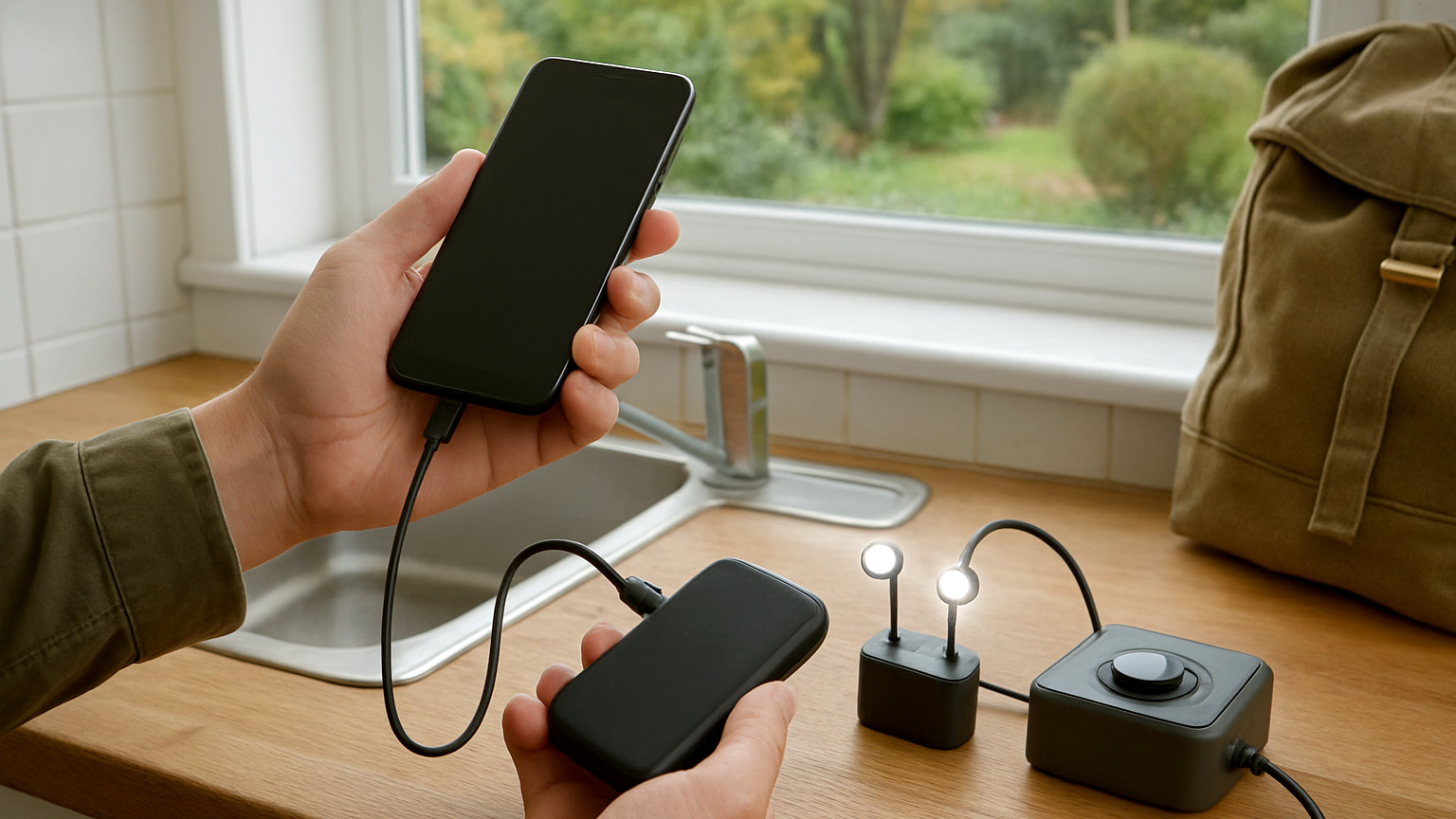
A portable power station, for most households. It is silent, safe indoors, needs no fuel, requires no maintenance beyond an occasional recharge, and covers the loads people actually care about during an outage. It cannot run a whole house, and the honest question is whether you need to run a whole house or simply need lights, phones and heating.
How do you keep one reliable?
Run it monthly under load, change the oil to schedule, use fresh fuel with a stabiliser, and drain the carburettor before long storage. A generator that has sat untouched for two years is not backup power, it is an ornament, and discovering that during an outage is a common and frustrating experience.
What about the neighbours?
Worth thinking about before you buy rather than afterwards. A conventional generator running through the night is loud enough to be a genuine nuisance, and local authorities have statutory powers to act on noise complaints. An inverter generator is markedly quieter and still audible. If you live in a terrace, a flat or a close, siting one where it will not disturb anyone may simply not be possible, which is a practical reason the battery route suits most urban households better.
Buy a battery unless you have a genuine large load or long outages, and if you buy a generator, run it monthly and never indoors.